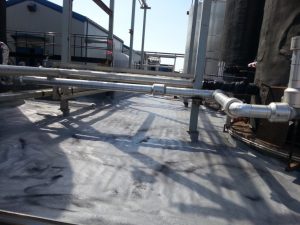
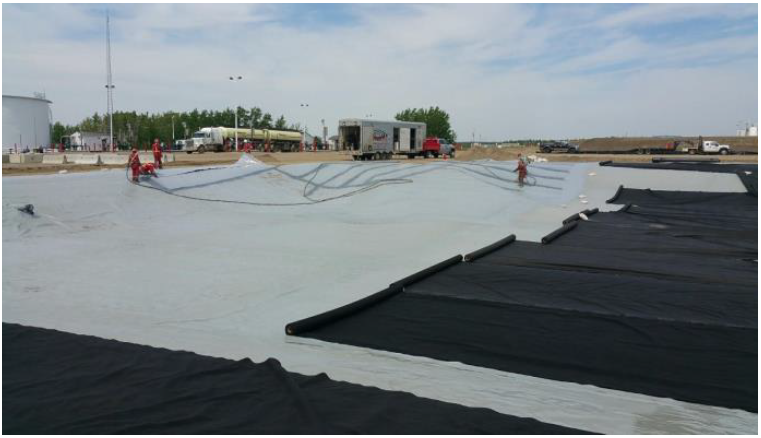
Secondary containment is critical in the oil and gas industry to prevent environmental contamination and safeguard human health. It involves creating a backup system or barrier designed to contain spills, leaks, or accidental discharges of hazardous substances, such as oil, chemicals, or produced water, before they can escape into the environment.
Get the Latest Canadian Focused Energy News Delivered to You! It's FREE: Quick Sign-Up Here
Here are key reasons for its importance:
1. Environmental Protection
Prevents Soil and Water Contamination: Secondary containment acts as a buffer to prevent hazardous materials from reaching and polluting nearby soil, groundwater, or surface water, which can have devastating environmental impacts.
Protects Ecosystems: Oil and chemical spills can harm wildlife and ecosystems. Containing these materials helps mitigate damage to plants, animals, and aquatic systems.
2. Regulatory Compliance
Meets Legal Requirements: There are strict regulations mandating secondary containment to ensure that companies are responsible for potential hazards. These regulations are enforced by agencies such as the Alberta Energy Regulators (AER) and Canada Energy Regulator.
Avoids Fines and Legal Issues: Non-compliance with containment requirements can lead to hefty fines, legal action, and operational shutdowns. Proper containment helps companies avoid these consequences.
3. Risk Mitigation
Prevents Catastrophic Spills: Secondary containment systems are designed to hold the full volume of potential spills, reducing the risk of large-scale environmental disasters, which could be costly in terms of cleanup, reputation, and legal implications.
Minimizes Operational Disruptions: Containing leaks and spills ensures that production is not interrupted for long periods, allowing for timely repairs and preventing further damage.
4. Protecting Human Health
Reduces Exposure to Hazardous Materials: Spills of chemicals, gases, or oil can be dangerous for workers and nearby communities. Secondary containment helps minimize the risks of exposure and accidents related to toxic substances.
5. Financial Responsibility
Lower Cleanup Costs: In the event of a spill, proper and well maintained containment systems help limit the spread of hazardous materials, reducing the complexity and cost of cleanup operations.
Insurance and Liability: Proper containment can reduce liability and lower insurance premiums by demonstrating that risk mitigation measures are in place.
6. Sustainability and Reputation
Corporate Responsibility: Implementing secondary containment reflects a company’s commitment to environmental stewardship and sustainability. This can improve public perception and bolster the company’s reputation.
Stakeholder Confidence: Investors, partners, and regulators are more likely to trust companies that take proactive measures to mitigate environmental risks, thus enhancing long-term business prospects.
Overall, secondary containment is a crucial component of safe and responsible operations in the oil and gas industry, ensuring both environmental protection and business continuity.
Mike Smith is the Present of Western Engineered Containment
To learn more about Western Engineered Containment and its revolutionary containment solutions, visit www.wecontain.com
With extensive experience in containment, oil field engineering and operations, Western Engineered Containment (WEC) is the Industry’s leading secondary containment and primary containment provider. Watch the short video below for more information about Western Engineered Containment.
 CDN NEWS |
  US NEWS










 These translations are done via Google Translate






















NEW EPISODE #14: WATCH: 3 MINUTE HISTORY CANADA – The National Energy Program – Trudeau’s Energy Bomb on Alberta