


 CDN NEWS |
  US NEWS










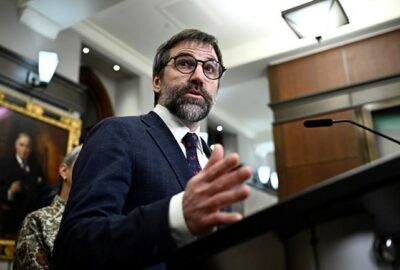
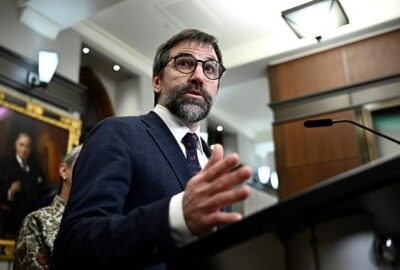
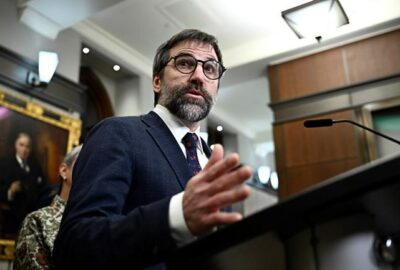
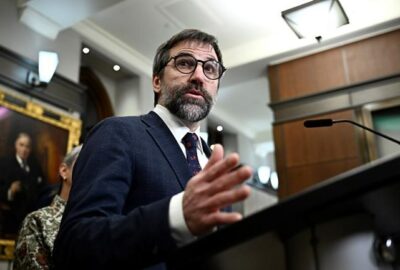
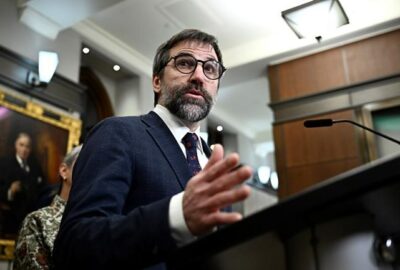
OTTAWA — Canada’s Environment Minister Steven Guilbeault is poised to outline a federal emissions cap on the oil and gas sector using a cap-and-trade system that would begin as early as 2026, says a federal government source.
The source, who spoke on the condition of anonymity to discuss matters not yet made public, tells The Canadian Press that a framework for the cap will be announced on Thursday at the United Nations COP28 climate summit in Dubai, ahead of draft regulations being released next year.
The target will not be as strict as the emissions cap estimated last year in the government’s emissions reduction plan.
That plan suggested the oil and gas industry needs to cut emissions to 110 million tonnes by 2030 from more than 200 million tonnes in 2019.
Oilsands companies say it would take them at least another five years beyond 2030 to get close to that.
Draft regulations are now expected by mid-next year and the final regulations in early 2025, with some flexibility to allow companies to meet their targets using offset credits or paying into a decarbonization fund.
The policy is a critical piece of Canada’s long-term emissions reduction plan but today’s framework will show the sector won’t be asked to cut emissions as deeply as previously thought.
The 2022 emissions reduction plan anticipated regulating that emissions from oil and gas in 2030 fall more than 40 per cent from current levels.
Industry balked at that demand, saying it could not cut that much in just seven years without also cutting production.

The government compromised and lowered its expectations in a bid to make the cap feasible without affecting production.
The Supreme Court of Canada has ruled that Ottawa can regulate greenhouse gas emissions but natural resources, and therefore oil and gas production, is solely provincial jurisdiction. That means any policy forcing production cuts opens Ottawa to another court challenge by the provinces.
Trudeau’s Liberal government has often been at odds with the oil and gas industry, dating back to his rejection of a key crude pipeline to the country’s Pacific Coast in 2016 and comments that he made the following year that the country needs to “phase out” the high-emitting oil sands.
Alberta Premier Danielle Smith has vowed to defy both the federal government’s clean-electricity regulations, which aim to create a net-zero grid by 2035, and new methane rules that Guilbeault just announced at COP28. Last week, she invoked a measure to defy federal regulations that aim for a net-zero electrical grid by 2035, almost certainly setting up a court battle.
Smith said Wednesday on CTV News that she would wait to hear the details of the government’s emissions cap but added, “If an emissions cap is so stringent that it will shut in production, we won’t let that happen.”
The antipathy between the industry and the federal government even dates back to the administration of Trudeau’s father, Pierre Trudeau, who introduced a plan in the 1980s to increase Canada’s ownership of the sector and guarantee supplies and prices for the country.
Share This:





















PERSPECTIVE: How Will AI Data Centres Fulfill Their Incredible Demand for Electricity? – Yogi Schulz