


 CDN NEWS |
  US NEWS







Phaseout of EV subsidy in Germany causes demand to drop
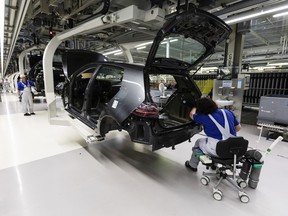
Volkswagen AG is cutting temporary workers at its main electric-vehicle factory in Germany after the phaseout of a subsidy in the country caused demand for its EVs to drop.
The manufacturer is letting go 269 people at the Zwickau plant when their 12-month contracts expire in the near future, VW said Thursday. The company expects it will have to adjust the shift schedule at the facility near the Czech border.

The German manufacturer has invested €1.2 billion (US$1.3 billion) at Zwickau in recent years and hired more than 3,000 staff, most of them temporary, to meet expected EV demand. But falling corporate orders have clouded the prospects for workers at the site, which makes the ID.3, ID.4 and ID.5 models.


Volkswagen declined 1.8 per cent as of 1:30 p.m. in Frankfurt. The shares are down around eight per cent this year.
The automaker is following Tesla, BMW AG and others in exporting an EV to Europe from China, where production costs are lower. Its Cupra brand has announced plans to produce the Tavascan SUV at a factory in Anhui. Built on the same hardware and software platforms as the ID series, the model is due to hit the European market in 2024.
“Volkswagen remains 100% convinced of the path to electric mobility,” a spokesperson for the carmaker said. “The Zwickau location plays a central role in this.”
Share This:























COMMENTARY: Norway Breaks Ranks – The First Crack in Europe’s Net-Zero Facade