


 CDN NEWS |
  US NEWS







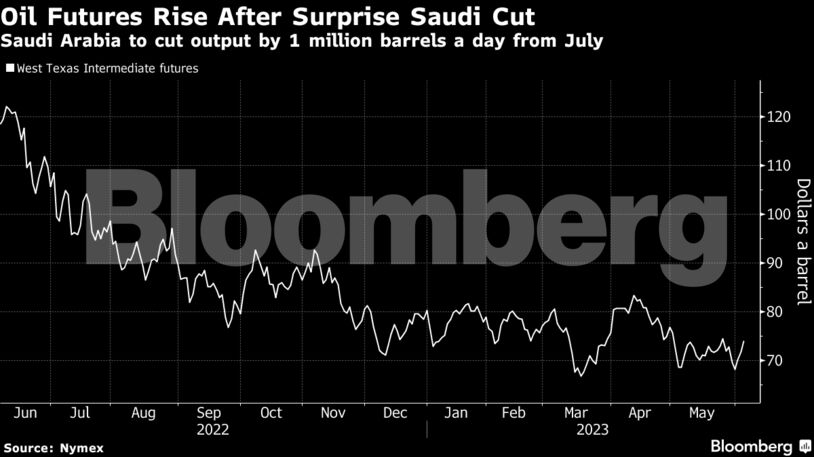
“OPEC+ — namely Saudi Arabia — wants to establish a floor under the market and they may have achieved that,” said Ole Hansen, Saxo Bank’s head of commodity strategy. Still, “the upside potential from this cut remains unclear as long as the macroeconomic outlook remains as uncertain as it currently is.”
The move left the kingdom potentially sacrificing further market share to stabilize prices. Against that, others in the group pledged to maintain existing cuts until the end of 2024, though Russia made no commitment to curb output further and the United Arab Emirates secured a higher production quota for next year.
The OPEC+ deal came after a dispute with African members over how their cuts are measured, which delayed the start of the meeting. Next month’s additional cut could be extended, but the Saudis will keep the market “in suspense” about whether this will happen, Prince Abdulaziz said.
The minister has repeatedly singled out bears in the futures markets, warning them to “watch out” in the buildup to Sunday’s meeting.



“Saudi Arabia would ideally want prices to be above $80 a barrel,” Vandana Hari, the founder of Vanda Insights in Singapore, said on Bloomberg television, referring to Brent. But if the health of the global economy falters, the short-sellers “will be back in no time,” she said.
Prices:
WTI for July delivery rose $1.65 to $73.39 a barrel as of 8:09 a.m. in New York.
Brent for August settlement advanced $1.78 to $77.91.
Share This:




















SETTING OFF ALARM BELLS: Carney’s EU Deal Threatens Alberta, Energy, & Sovereignty – 170,000 Reasons to Reject Canada’s EU “Associate Membership” – The Nemeth Report