


 CDN NEWS |
  US NEWS







Regulations Impacting Flaring in the Chemical Industry in Canada
The chemical industry is subject to various regulations aimed at protecting the environment, public health, and workers. These regulations are designed to reduce the risks associated with chemical production and use and ensure that chemicals are produced, used, and disposed of in a safe and responsible manner. In Canada, one of the most critical sets of regulations governing the chemical sector is the Canadian Environmental Protection Act (CEPA).
The CEPA, which came into force in 1999, is Canada’s primary law for regulating chemicals. It requires chemical manufacturers and importers to provide the government with information about their products, including their toxicity and potential hazards. The government then assesses the risks posed by chemicals and can take action to control their use if necessary.
The chemical sector in Canada is also subject to the Transportation of Dangerous Goods Act (TDGA), which regulates the handling, shipping, and transportation of dangerous goods, including chemicals. The TDGA requires companies to properly package and label hazardous materials, provide appropriate training for their workers, and notify the government of any dangerous goods they are shipping.
Another significant set of regulations is the Canadian Environmental Protection Regulations (CEPR), which regulate the storage, handling, and disposal of hazardous waste. These regulations require companies to track and document the generation, transportation, and disposal of hazardous waste, as well as to follow strict storage and handling procedures.
The History of Chemical Processing Regulations in Canada
The chemical industry in Canada has a long history of regulatory oversight, with the earliest regulations dating back to the early 1900s. Over time, regulations have become more comprehensive and detailed, reflecting the growing importance of environmental protection and worker safety.
One of the most significant developments in Canadian chemical regulation was the introduction of the CEPA in 1999. The CEPA modernized and consolidated various pieces of legislation that had previously governed chemical production and use in Canada. It introduced new requirements for companies to provide information about the chemicals they produce, and it gave the government greater powers to regulate chemical use and disposal.
Flaring Regulations in Canada
Flaring is a critical process in the chemical industry, used to prevent the accumulation of hazardous vapors in chemical production plants and to dispose of unwanted gases and vapors generated during routine chemical processing operations. However, flaring can also release pollutants into the environment, including carbon dioxide and other greenhouse gases, which can have a detrimental impact on air quality.

In Canada, regulators have set limits on the amount of flaring that can occur to limit air pollution and reduce the risk of other environmental harms. They also require chemical companies to use the most up-to-date flaring technology, such as low-emission burners, and to monitor the flaring process to ensure it is conducted safely.
The regulation of flaring is an essential part of the chemical sector’s overall safety and environmental performance. To ensure compliance with regulations, chemical companies must have comprehensive flaring policies and procedures in place. These should include measures for monitoring and controlling the flaring process, as well as for training personnel on the use of appropriate flaring technology.
Westech Industrial’s SICK Sensor Products: Meeting Flaring Regulations
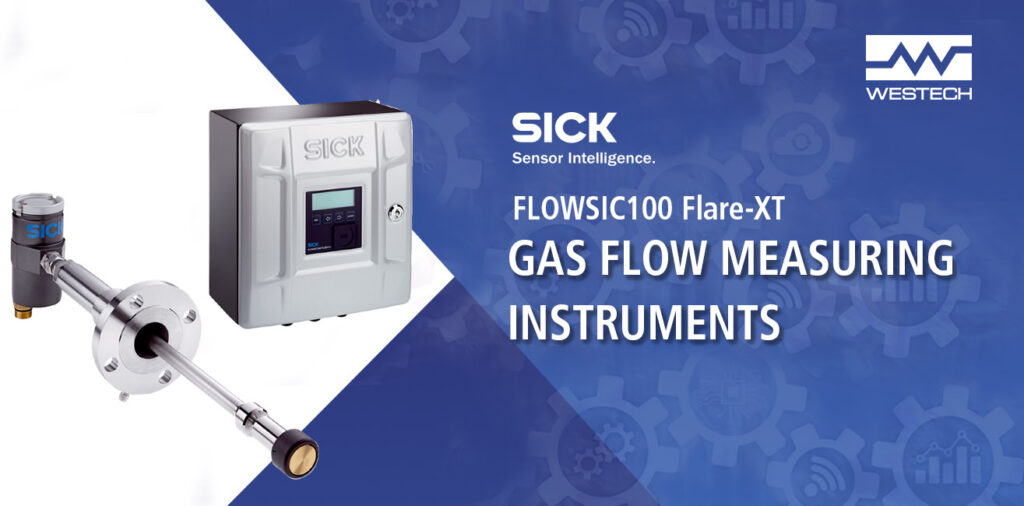
Westech Industrial, a leading provider of industrial measurement and control solutions, offers a range of SICK sensor products that can help chemical companies comply with flaring regulations. Our SICK Ltd products such as the FLOWSIC100 Flare-XT are used for flare gas monitoring and flare stack monitoring, providing critical information on the flaring process that can be used to optimize operations, minimize emissions, and ensure compliance with regulations.
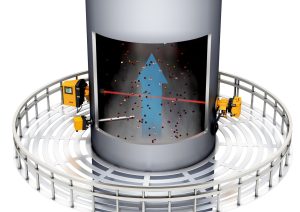
Our SICK FLOWSIC100 Flare-XT designed to measure the flow, temperature, pressure, and composition of flare gas, providing real-time data on the flaring process. This data can be used to adjust the flaring process to minimize emissions and improve efficiency.
Overall, the chemical sector is subject to a range of regulations that are designed to protect the environment, public health, and workers. Flaring regulations are a critical part of this regulatory framework, as flaring can release pollutants into the air and impact air quality. Chemical companies must comply with these regulations to ensure that flaring is conducted safely and responsibly.
Westech Industrial can play a critical role in helping chemical companies meet these regulations. By providing real-time data on the flaring process and monitoring the performance of flare gas recovery systems, we can help chemical companies minimize emissions and improve efficiency. This can help them reduce their environmental impact and improve their overall safety and sustainability performance.
As the chemical sector continues to evolve and grow, it is important for companies to stay up-to-date on the latest regulations and technologies. By working with trusted partners like Westech Industrial Ltd and SICK Ltd, chemical companies can ensure they are meeting their regulatory obligations and operating in a safe and sustainable manner.
For more information, please visit our website westech-ind.com or call us at 1-800-775-6129.
Share This:




















GRETCHEN WHITMER IS AT IT AGAIN: The Michigan Governor has Threatened to Shut Down Line 5 “Within Months” – Jim Warren