CDN NEWS |
  US NEWS







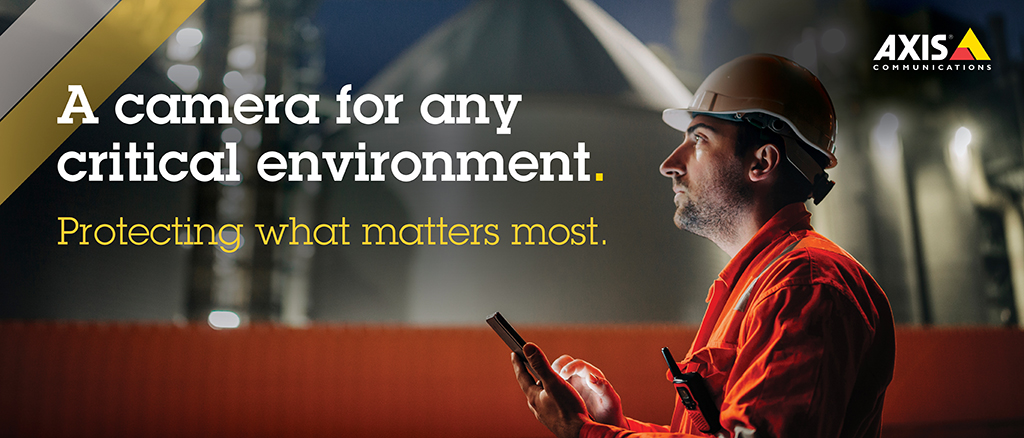
Surveillance technology’s purpose isn’t only to watch over your critical infrastructure facilities and keep intruders out. It can be used to proactively protect your facilities and importantly – your people. Industries that are inherently more dangerous due the nature of their business have become more measured in addressing the many risks in their day-to-day operations. Yet, intelligent product innovations have made it so that the capabilities of the cameras you install can not only mitigate risk but provide actionable data to ensure worker safety.
For the Oil & Gas sector particularly, technology like explosion-protected cameras and accessories provide an additional layer of safeguarding for your business in whatever the environment.
But first, what exactly is an explosion-protected camera?
A common thought is that explosion-protected cameras are another term for explosion-proof. This statement is, well, incorrect. Explosion-protected cameras ensure that their presence and use are not responsible or connected to a possible explosion-related incident. They undergo rigorous testing to ensure that the enclosure remains sealed in any environment to protect against spark-igniting elements. Heavy-duty housings and protective seals make the equipment’s presence in harsh environments practical.
Mitigating risk through design
When seeking an explosion-protected product, the integrity of the technology plays a significant role. Globally, strict standards need to be met due to the potential risk in various industries. Based on the design and use-cases, these regulations group what equipment is allowed where. Regulations worldwide may have different names; however, they are based on the same criteria and define the concentration and durations for flammable gas or dust.
In North America, explosive equipment is grouped into classes; Class I (flammable vapour or gas), Class II (combustible dust) and Class III (ignitable fibres or flying debris. It is then further categorized into divisions which specify the likelihood of flammable concentrations of the classified substances. Either the concentrations can exist under normal operating conditions or are not likely to be present. Explosion-protected cameras receive ratings on factors like dust ignition proofing, fibre and flying protection, pressurization, and intrinsic safety. Once meeting the standards of the desired use, the explosion-protected product is certified.
How can explosion-protected cameras enhance your safety protocols?
Detect risks to optimize safety
Risk detection sensors work consistently to catch potentially dangerous situations before they come to fruition. For example, a team member enters an area requiring specific PPE. A complete solution would allow cameras can detect the presence or lack of PPE and relay a recorded or live message to alert the worker. This same camera can also work to monitor the environment for abnormal factors through risk detection sensors. Some sensor uses range from:
- Gas sensors: detect leaks and alert teams promptly via alerts or even broadcast evacuation messages through integrated audio systems
- Heat and thermal sensors: be alerted when temperatures go past a threshold or begin to seem out of the ordinary, and address issues quickly. Sensors can also be programmed to cut the power off directly.
- Motion sensors: minimize human exposure in potentially or deemed dangerous areas. It can then alert safety teams or broadcast audio messages through integrated systems.
Analyze norms for operational efficiency
Data and analytics from sensors and day-to-day activities can work proactively against injury and operational ineffectiveness. Explosion-protected cameras can benefit health and safety by providing more options for off-site management. Sensor and AI give the ability to monitor hazardous environments without needing to be on-site, meaning little to no need for personnel to be at risk.
With deep learning analytics, insights are easily gathered to fuel future business decisions. Consistent malfunctions may indicate or predict the need for equipment repair or maintenance. Reoccurring absences of protective clothing or other PPE could mean safety training is needed to increase workplace safety.
Looking to create a more secure site, uninterrupted operations, and a safer workforce – in every step of your operations? Get tips, insight and understand technology applications by downloading your free eGuide here.
For more information, please reach out to Obaid Hafiz via email or phone.
Obaid Hafiz
Area Sales Manager, Axis Communications
T: (587) 226 1664
E: [email protected]
Share This: