


 CDN NEWS |
  US NEWS








Each year, there are more than 2.3 million work-related fatalities, according to the International Labor Organization (ILO).
ILO reports that every day, 6,300 people die from occupational accidents or work-related diseases and “317 million accidents occur on the job annually; many of these resulting in extended absences from work.” That’s why each year, April 28 marks the World Day for Safety and Health at Work. The ILO leverages this annual event to promote the prevention of occupational accidents and diseases globally.
YOUR ESSENTIAL GUIDE
At Blackline Safety, we echo the message of this awareness-building campaign, which serves as a wake-up call, for employers and their employees, on the importance of occupational safety and the impact work-related injuries and fatalities have worldwide.
Our priority is the safety of lone workers—those working out of sight or sound from others.
Working Alone
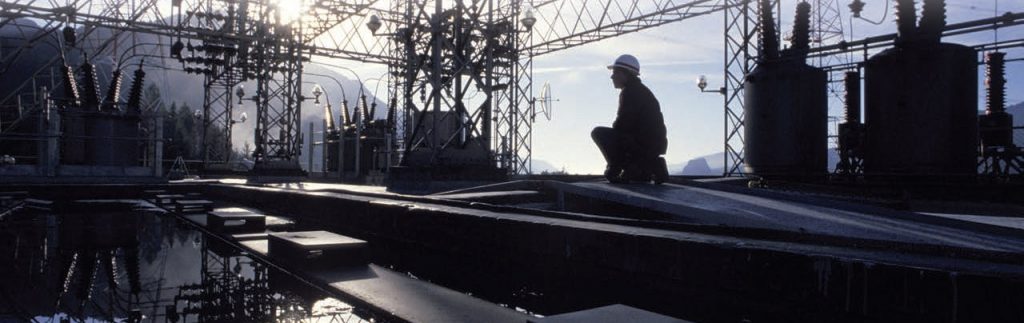
More people work alone than you may think. Berg Insight reports there are a whopping 53 million lone workers in Canada, the United States and Europe combined. That’s about 15 percent of the overall workforce.
Regarding global numbers, the International Data Corporation (IDC) estimates that approximately 1.3 billion people are mobile workers, many who work alone continuously or at various times throughout their workday. Lone workers face many dangers on the job. Whether your teams are working indoors, outdoors, driving or in remote locations, your job is to make sure you’ve got your lone workers covered. From slips, trips or falls to vehicle collisions, electrical fires and chemical exposures—ensuring you have the right protocols in place for your lone workers is key.
The theme of the 2016 World Day for Safety & Health at Work is “Workplace Stress: A collective challenge.” Mitigating workplace challenges such as stress is vital to the safety of all employees—not just your lone workers. Here we explore how to identify, combat, and overcome workplace stress.
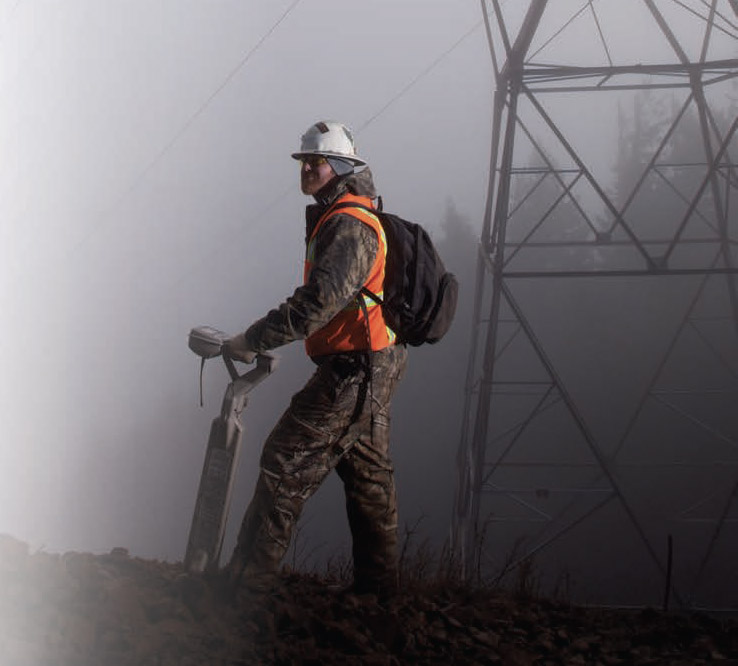
“We have implemented Blackline’s safety monitoring devices because Shell does not just want to talk about safety we want to do it. These devices help ensure our employees and security personnel who are working alone are protected 24/7 in the event of an incident.”
—Brian Fleck, CSP, HSSE Specialist,
Shell Oil Company
WHAT EMPLOYEES NEED TO KNOWABOUT WORKPLACE STRESS
According to the American Institute of Stress, multiple studies show that workplace stress is the No. 1 source of stress for American adults.
For perspective, AIS states, “In New York, Los Angeles and other municipalities, the relationship between job stress and heart attacks is so well acknowledged, that any police officer who suffers a coronary event on or off the job is assumed to have a work-related injury and is compensated accordingly (including heart attack sustained while fishing on vacation or gambling in Las Vegas).”
A report from the National Institute for Occupational Safety and Health shows that 40 percent of workers said their job was very or extremely stressful and 25 percent view their jobs as the No. 1 stressor in their lives. And, regarding workplace injuries, the study shows “there is a growing concern that stressful working conditions interfere with safe work practices and set the stage for injuries at work.”
For lone workers, stressful workplaces offer even higher risk for safety incidents on the job. Implementing safety programs that make a difference and monitoring the safety of work alone employees can reduce stress and save lives. Strides are being made globally to mitigate stress in the workplace and provide resources to help prevent stress and improve mental health.

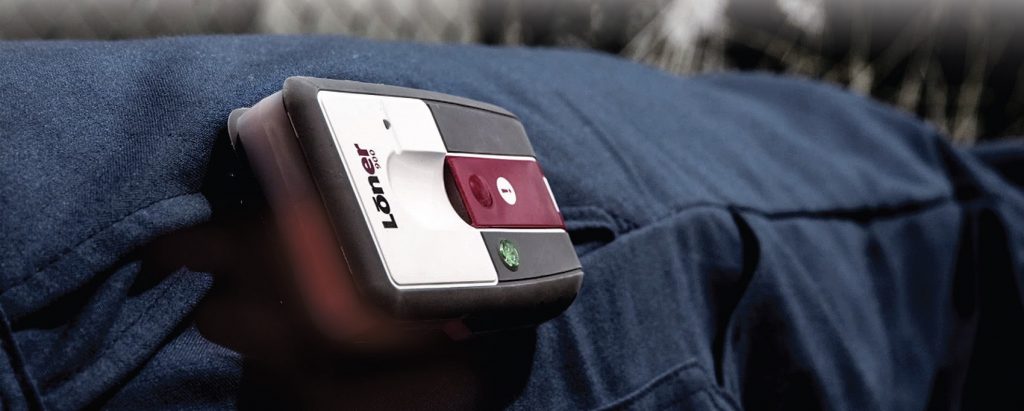
“Over the years we’ve evaluated a number of different systems and Blackline Safety is the only one I think could realistically save a life. What separated Blackline from the competition was the no-motion sensor. Our annual Loner drills demonstrate that we can now have assistance to an injured worker within 10-minutes, probably faster than 911 could respond.”
—Dale Ramsbottom, Team Lead Meter Reading,
ENMAX Corporation
WHAT ORGANIZATIONS NEED TO KNOW ABOUT WORKPLACE STRESS
While stress affects the wellbeing of personnel, it also has a strong impact on an organization’s bottom line.
Statistics Canada’s report, What’s Stressing the Stressed? Main Sources of Stress Among Workers details that “over time, employers lose productivity to stress through absenteeism, reduced work output, and increased disability claims. Mental health problems alone are estimated to cost employers about $20 billion annually and account for over three-quarters of short-term disability claims in Canada.”
What is the impact of stress on your organization and how might it increase risk levels to your lone workers?
“We created Blackline’s in-house Safety Operations Center as a result of customer demand. Not every organization is able to monitor their own lone workers, responding to alerts in real-time. Often, the logical solution is manage this service with a partner. And who is better positioned to offer this service than Blackline, a leading manufacturer and service provider of lone worker monitoring technology?”
—Kevin Meyers, COO,
Blackline Safety
CRITICAL INCIDENT STRESS CAN LEAD TO ACCIDENTS
Employers should note there are different types of workplace stress, one of the most dangerous being critical incident stress. Critical incident stress affects thousands of people across multiple industries.
WorkSafeBC describes a critical incident in the workplace as “a workplace event — like an accident, injury, fatality, or robbery — that causes emotional or psychological trauma in people exposed to the incident directly, or even indirectly.” This sudden event often overwhelms the employee’s ability to function, causing strong emotional reactions.
Critical incident stress can lead to accidents, injuries and fatalities for all employees, especially lone workers. Because there were nearly 5,000 fatal workplace injuries in the United States in 2014 (a 2 percent increase from the previous year), implementing new programs to keep your teams safe and reduce stress should be your organization’s top priority.
The European Agency for Safety and Health at Work (EU-OSHA) states “around half of European workers consider stress to be common in their workplace, and it contributes to around half of all lost working days.”

RESOURCES TO HELP OVERCOME WORKPLACE STRESS
IDENTIFYING STRESS
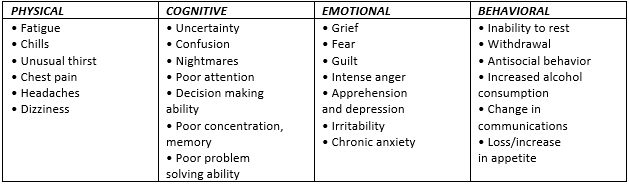
The Occupational Safety & Health Administration’s (OSHA) Critical Incident Stress Guide identifies key signs and symptoms.

PREVENTING STRESS
To overcome safety obstacles and reduce stress, you need a clear picture of what is happening in the field and in other work environments where your lone workers are situated. However, it can be difficult to have full visibility of your workforce, let alone the real-time safety status of your personnel working alone.
Perhaps you worry about adhering to internal protocols and government legislation, but need to remain within budget. Some of your workers travel to and work in remote, confined, underground or otherwise “off-the-grid” areas. When an employee suffers an incident and is in need of help, rapid emergency response may not always be an option—it may take hours or even days to respond using the systems you currently have in place.
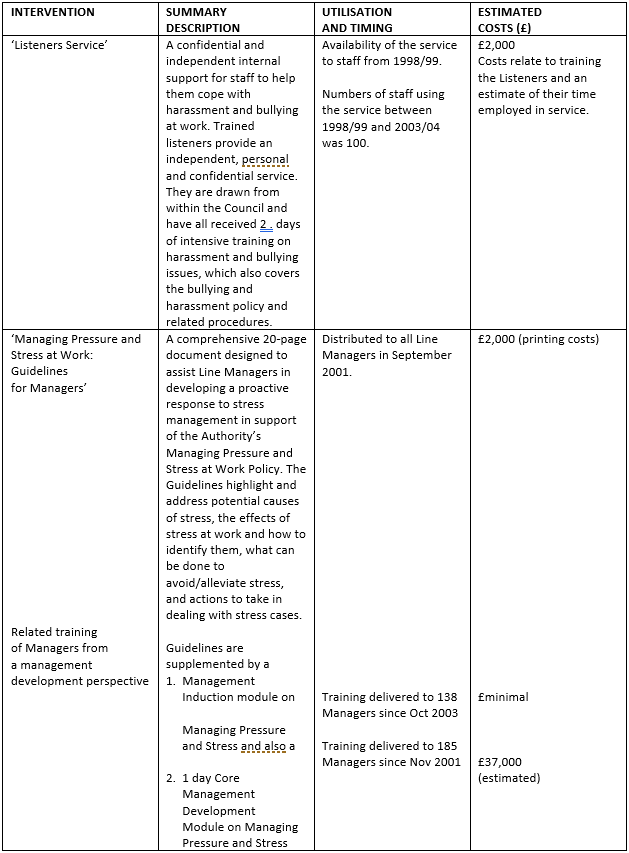
The Health and Safety Executive in the United Kingdom produced a case study establishing the business case for investing in stress prevention activities and evaluating their impact on sickness absence levels.
The research provides a real-world example of how one organization pursued a stress reduction strategy and achieved meaningful change in its key performance indicators, including absence rates due to sickness.
Key elements for a stress prevention program include:
- Get top management commitment for the process and strategy
- Take a participatory approach by involving middle-managers, employees, and staff groups in the decision-making process
- Put in place a stress prevention strategy under your organization’s policy
- Conduct regular psychosocial risk assessments
- Provide solutions based on the results of the risk assessment
- Help employees develop adaptive coping strategies

STRESS MANAGEMENT SUCCESS
By acknowledging stress, creating a stress prevention strategy, and providing employees with resources to mitigate this workplace epidemic, stress was reduced to the overall organization.
Example Plan
Source: Health and Safety Executive
This example plan from the Health & Safety Executive (HSE) in the UK provides tactics for reducing stress in the workplace.
OVERCOMING WORKPLACE STRESS
The American Psychological Association offers seven steps to managing stress.
These steps include:
- Tracking your stressors
- Developing healthy responses
- Establishing boundaries
- Taking time to recharge
- Learning how to relax
- Talking to supervisors
- Getting support
AMA even offers tips for identifying workplace stress. One of the first recommended action items to mitigate workplace stress is to either create or edit, and then seek approval for your job description. A clear, concise job description will ensure you have a reference point for balancing setting boundaries and meeting expectations.
The ILO even offers a Stress Prevention at Work Checkpoints app to “create interactive checklists of stress checkpoints to use in the workplace.”
For lone workers, there are a number of resources available as well. In Ontario, Canada the Workers Health & Safety Centre offers work alone resources. “A lack of contact and social support from co-workers can create a sense of helplessness, anxiety, frustration and isolation when problems arise on the job. This anxiety and helplessness can lead to stress.”
In the UK, the Trades Union Congress (TUC) cautions there “are no specific legal duties on employers in relation to lone working, however the general duty of employers to maintain safe working arrangements under the 1974 Health and Safety at Work Act applies.”
Though the UK is the leading adopter of lone worker monitoring technology around the world, an increasing number of countries around the world are creating awareness on the importance of workplace safety.
RECOGNIZING WORKPLACE SAFETY AROUND THE WORLD
Canada
Canada’s National Day of Mourning also falls on April 28 and the Canadian Centre for Occupational Health and Safety (CCOHS) reports that in 2013 “902 workplace deaths were recorded in Canada. While it’s the lowest total since 2000 when 882 fatalities were recorded, this number still represents 2.47 deaths every single day.”
North America
The North American Occupational Safety and Health (NAOSH) Week follows, running from May 1 to 6, with events held across the continent. The goal “is to focus employers, employees, partners and the public on the importance of preventing injury and illness in the workplace, at home and in the community.
United States
According to the Bureau of Labor Statistics (BLS) in the United States, the Census of Fatal Occupational Injuries Summary, 2014 reported a preliminary total of 4,679 fatal work injuries, a 2 percent increase from 2013.
United Kingdom
In the U.K., Health and Safety Week runs from June 20 to 24 and reports “despite the fact that fatal injuries are at their lowest in 20 years, occupational health cases are on the rise.”
Great Britain
HSE reports alarming statistics for Great Britain in 2014-2015, and this is one of the most advanced occupational safety regions in the world. With 1.2 million working people suffering from a work-related illness, there were 2,600 workplace-related deaths. In 2013-2014, the estimated cost of injuries and ill health from current working conditions was £14.3 billion.
Australia
National Safe Work Australia Week runs later in the year, in October, to bring awareness to the fact that “every
year more than 260 Australians die as a result of work-related injuries and over 135,000 are seriously injured.”
LEARN MORE
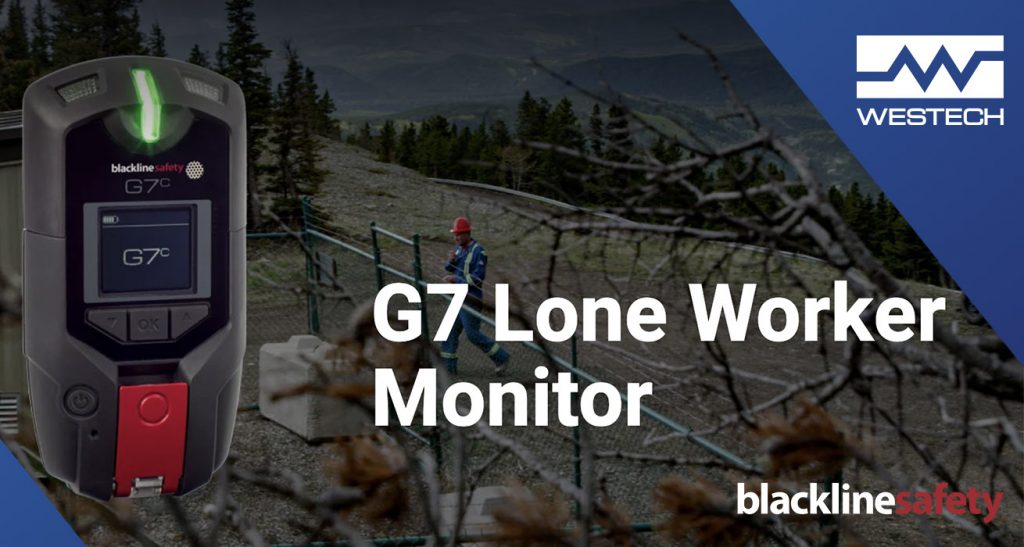
Find out more information about our Blackline Safety products by visiting our website at https://bit.ly/3ASVCbv or calling our Eastern Canada number at 1-800-775-6129.
Share This:






















COMMENTARY: Varcoe: ‘Do No Harm’: Should Alberta Step in to Fix Gas System Constraints, Given Past Energy Interventions?