CDN NEWS |
  US NEWS







EnergyNow Media
Prime Minister Mark Carney announced Tuesday that the federal government will invest an additional $1.2 billion to strengthen marine protection, monitoring and emergency-response capabilities as Canada prepares for increased shipping activity along its coasts.
Speaking in Vancouver on September 29, Carney said the investment is intended to allow Canada to expand major trade and energy infrastructure while strengthening protection of marine ecosystems.
“The further we reach in our ambitions, the greater our responsibility to protect what we have inherited,” Carney said. “We can and will do both.”
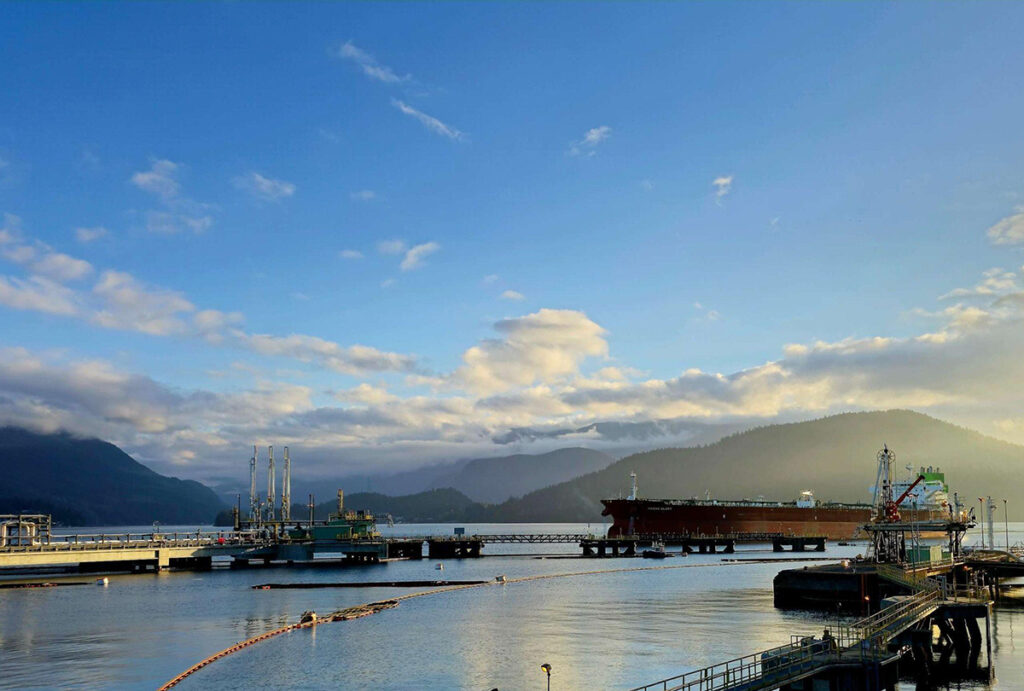
The announcement comes as Ottawa pushes to expand Canada’s export infrastructure, including the Port of Vancouver and Roberts Bank Terminal 2, while increased LNG exports and the possibility of additional oil shipments to the West Coast could add further marine traffic.
More than $740 million over four years will go toward strengthening the existing Oceans Protection Plan. Measures include expanding Canadian Coast Guard marine-traffic monitoring, improving search-and-rescue capacity, extending radio and radar coverage, developing high-resolution nearshore weather forecasting and upgrading marine safety and inspection systems.



Ottawa will also invest another $136 million over four years specifically to protect marine life. That includes developing a national marine mammal oil-spill response plan and improving Canada’s ability to monitor and reduce underwater noise from shipping.
Another $186 million will support the Northern Shelf Bioregion Reconciliation Framework Agreement, involving Indigenous partnerships, conservation, waterway management and emergency preparedness in British Columbia’s Great Bear Sea region.
For Canada’s energy sector, the timing of the announcement is significant. Ottawa faces an upcoming decision on whether Alberta’s proposed West Coast oil pipeline should receive national-interest designation, while LNG Canada announced Tuesday that it will proceed with its Phase 2 expansion in Kitimat, doubling LNG export capacity to approximately 28 million tonnes annually.
The marine-protection package suggests Ottawa is attempting to establish the environmental and emergency-response infrastructure needed alongside growing energy and commodity exports from Canada’s Pacific Coast.
Carney characterized the approach as part of a broader strategy of expanding Canada’s economy and trade while strengthening environmental safeguards.
“We will build major infrastructure, diversify our trade, and create hundreds of thousands of jobs — safely, responsibly, and in ways that protect our oceans for generations to come,” he said.
Share This: