


 CDN NEWS |
  US NEWS







By Karen Graham and Jock Finlayson
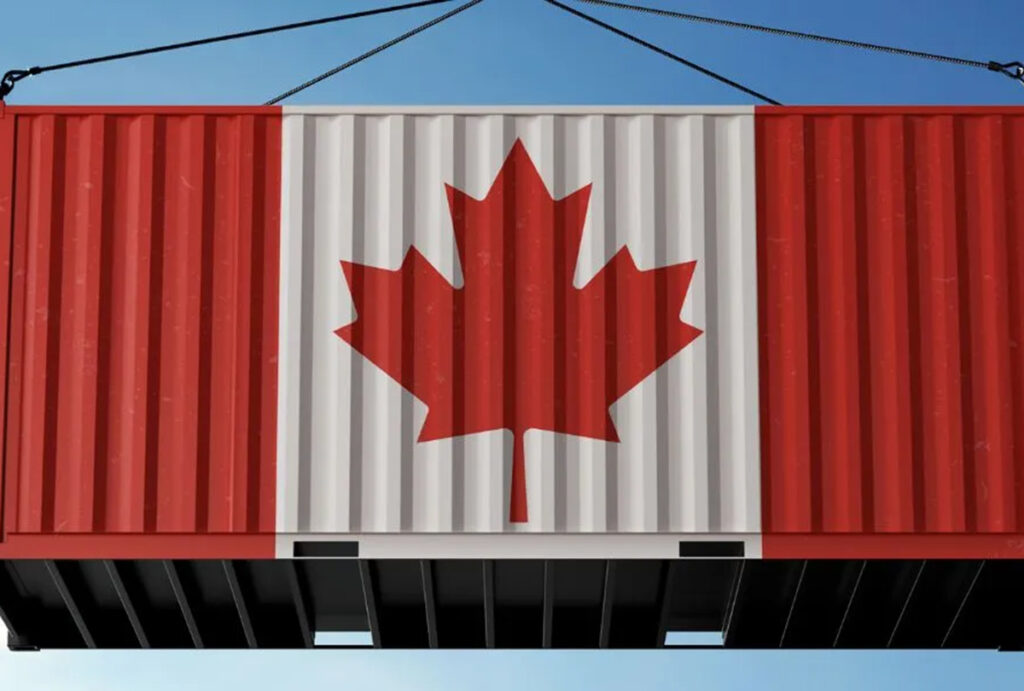
The intensifying trade conflict driven by a mercantilist U.S. administration against Canada is focusing Canadian minds on bolstering the country’s economic security. Making Canada a global “energy superpower” has been mentioned by Prime Minister Mark Carney as one way to promote economic resilience and diversify exports.
While Canada is not now and is unlikely to become a global market “price maker” for traded energy commodities, it does have the ability to more robustly assert “energy sovereignty” to align with the country’s capabilities and the current public mood. Surveys show that large majorities of Canadians understand and support the further development of Canada’s energy sector, including building necessary infrastructure to get our energy products to global markets.
An unhealthy dependence
In part through past policy choices and inaction, Canada today exhibits heavy dependence on the United States for many categories of export goods including energy. Prior to the opening of the twinned Trans Mountain Pipeline (oil) and the start-up of LNG Canada’s liquefaction terminal (natural gas) for offshore exports, nearly 100 per cent of our most valuable energy commodities were shipped to the U.S.—at a price discount. While Canada exported energy to 132 countries in 2024, almost 90 per cent of the dollar value came from shipments to the U.S. Failure to diversify markets and increase offshore export volumes—at global prices—has exacted a steep cost on Canadian incomes, export earnings and government revenues, while leaving us exposed to the whims and chaotic policymaking of a U.S. president who seems all too ready to tear up America’s trade agreements.
A realpolitik approach to developing and deploying Canada’s energy
Canada’s energy landscape features an abundance of energy resources, across all types in today’s—and tomorrow’s—energy mix. Canada ranks in the top 10 globally in energy reserves, production and exports for crude oil, natural gas, electricity and uranium. Merely possessing the resources is not enough. However, Canada’s opportunity to redefine its international trading relationships requires a realpolitik mindset to further develop and leverage Canada’s energy assets. It also demands an improved performance in building necessary infrastructure to connect our energy to global markets, in making our complex regulatory systems fit for purpose, and in attracting large amounts of both domestic and foreign capital.



A lesson and an opportunity lie with natural gas
Canadian and U.S. natural gas networks are integrated due to supply basin proximity and extensive pipeline connections. Canada’s natural gas production was flat between 2008 and 2024, at less than 20 billion cubic feet annually. Meanwhile, the U.S. has almost doubled its production since 2016 when it launched its first LNG export terminal, with many more to follow in short order. As of 2026, the U.S. is the world’s number one producer and exporter of LNG.
While Ottawa and some provinces took a few steps to tweak the fiscal and regulatory environment to support the nascent LNG sector, the glacial pace of policy development on our side of the border contrasts with the picture in the U.S. where producers were able to quickly build-out significant export capacity, principally on the Gulf Coast of Louisiana and Texas, while Canada dithered.
Currently in Canada, additional west coast LNG export projects are approaching final investment decisions or under construction; there are also musings about Atlantic and Hudson Bay LNG export terminals.
Rx for Canada’s energy sovereignty
For natural gas, uranium and oil, Canada is positioned to help meet growing global demand for energy. To realize the opportunity, in a recent paper we outline four recommendations for Canadian policymakers and industry regulators:
- Build capacity and export much more LNG to offshore destinations
- Consolidate Canada’s already strong global export position for uranium
- Grow Canada’s oil export volumes to offshore destinations—arguably, this is the country’s single best trade diversification opportunity in the next 10 to 15 years
- Lighten the regulatory burden and expedite decision-making across all segments of the energy sector and apply rules consistently
Strategically deploying Canada’s energy resources to lessen dependence on the U.S. while helping meet other countries’ quest to diversify energy supply can deliver a triple win for Canada: boosting our economy, enhancing the economic wellbeing of Canadians, and strengthening the country’s position as an important middle power.
Share This:






















COMMENTARY: Here’s How to Help Secure Canada’s Energy Sovereignty – Fraser Institute