


 CDN NEWS |
  US NEWS







“There are periods in which you have to make hay, and periods in which you have to batten down the hatches.”
By Chris Varcoe
Original: calgaryherald.com/opinion/columnists/varcoe-4
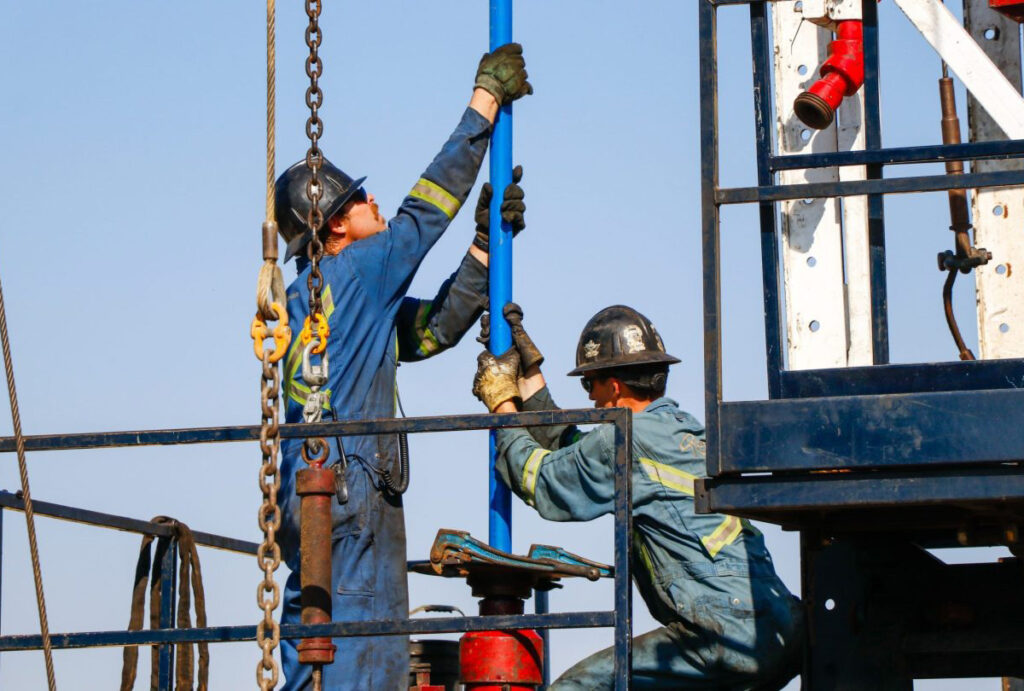
Canadian petroleum producers are becoming increasingly convinced that high oil prices are likely to stick around through the rest of the year, and several are accelerating their spending plans to meet the moment.
A growing number of companies have ratcheted up their capital expenditures in recent weeks in a bid to bolster production as oil prices remain at elevated levels.
Prices for West Texas Intermediate (WTI) crude closed Friday at US$90.54, down 2.7 per cent on the day, amid ongoing speculation the war in the Middle East could conclude. Yet, the Strait of Hormuz — the gateway to and from the Persian Gulf — continues to be largely blocked.
Earlier this week, Calgary-based Yangarra Resources raised its capital expenditures for the year by a third to $80 million, while Surge Energy said Wednesday it will hike spending by 17 per cent to $175 million.
Obsidian Energy announced Monday it will boost its capital spending program by almost 50 per cent, or $100 million, to about $313 million as it targets a 15 per cent increase in production next year.
“There are periods in which you have to make hay, and periods in which you have to batten down the hatches,” Jay McGilvary, Obsidian Energy’s vice-president of development, said Friday.
“There is a structural component to oil and gas that we think is going to stay in short supply for a longer period of time.”
McGilvary pointed out new wells for Obsidian are paying out in less than a year’s time, given strong commodity prices.
For Yangarra, a Calgary-based junior oil and gas producer, the extra capital will allow it to add a second rig and drill a total of 25 wells at its properties in Alberta this year.
These moves demonstrate the view that’s crystallizing in the industry — higher prices are likely to stay though the rest of the year as global oil inventory levels shrink due to the war in Iran and supply disruptions.
It’s clear the market is sending a price signal to the industry to increase output, said Yangarra CEO Jim Evaskevich.
“Our view is that it’s quite likely that we’ll see (oil) north of $75 for the rest of ‘26. And that could be the case for a good bit of ‘27,” he said.
“The market is instructive. Our job is to listen.”
In a report this week, the Bank of America forecast WTI crude prices will average $86 a barrel in 2026, and $73 a barrel next year. It estimates that since the start of the war, the total amount of lost liquids production has exceeded more than one billion barrels, drawing down global inventory levels.

“While the hostilities may get settled . . . our view is it’s going to take an extended period of time for that deficit to be made up,” Evaskevich added.
Surge Energy CEO Paul Colborne said the company is now increasing its spending because of these “sustained higher prices — and looking like they will be higher for longer.”
“I’m not saying it’s going to stay at $100 or $95, but I don’t think that it’s going back to $55 or $60 right away. I feel a good equilibrium price . . . is around $75 or $80.”
Other small and intermediate-sized producers have also increased spending programs recently.
Headwater Exploration bumped up its capital expenditures by 35 per cent to $250 million at the end of April, while Spartan Delta boosted its spending last month by 14 per cent to about $500 million. Cardinal Energy announced last month it will hike its capital budget 28 per cent this year to $205 million.
The oil price spike triggered by the war arrives after several years of falling global investment by the entire industry.
A report last week by the International Energy Agency projected that oil-directed spending is expected to drop for a third consecutive year, declining below US$500 billion.
“The Middle East conflict has thrown oil markets into turmoil, but the short-term guidance from oil companies on their 2026 investment plans has remained largely unchanged,” the report stated.
However, BMO Capital Markets analyst Jeremy McCrea anticipates more producers will look to increase spending in the coming months, noting investors are becoming more receptive to companies ramping up production.
“For the companies that are increasing spending, they are being rewarded,” he said. “That is giving these other entities the confidence to go forward with their own increased spending plans as well.”
Since the start of the year, the S&P/TSX Capped Energy Index has jumped 38 per cent.
Drillers are already feeling the uplift from customers planning to spend more, with Ensign Energy Services president Bob Geddes telling the Financial Post this week that the company is fielding calls for more rigs, noting it’s “probably the busiest I’ve seen it in 10 years.”
A spring survey of industry leaders by ATB Cormark Capital Markets found capital budgets for producers assumed WTI crude prices below $65 a barrel this year, but markets are significantly outperforming that mark, said ATB analyst Tim Monachello.
“What you are seeing so far is largely conventional oil producers (responding), and you are seeing some signals from even oilsands producers that they will try to produce more,” Monachello said.
“I would expect this is the beginning of a trend.”
Chris Varcoe is a Calgary Herald columnist.
[email protected]
Share This:























INSIGHT: Trump Wants Keystone XL Revived, Canada Wants Lower Tariffs – Meanwhile a Trade Deal Looms