


 CDN NEWS |
  US NEWS







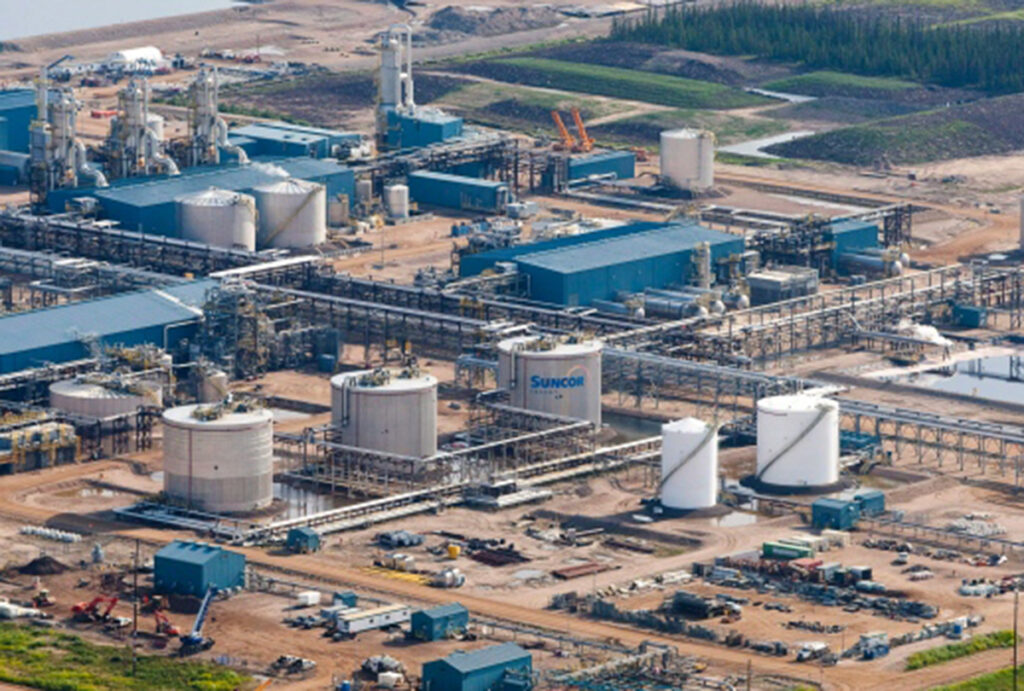
Leaked documents show Suncor wants some contractors’ employees at Syncrude and base plant sites to be located permanently in Fort McMurray
By Gary Kean • The Telegram
Suncor Energy Inc.’s plan to enhance local workforce participation in Alberta is not expected to significantly impact employees — like the thousands in Newfoundland and Labrador — who do turnaround work for the company in Fort McMurray.
Many turnaround workers maintain houses and families in their home provinces, travelling back and forth to Alberta to work.
Being forced to give up rotational work with Suncor or decide to move to Alberta full-time would negatively affect the overall economy of any province with a lot of commuting workers.
Work
In Newfoundland and Labrador, according to a report that analyzed the effect of interjurisdictional workers between 2002 and 2021, turnaround workers collectively earned more than $900 million in 2021.
What is in the leaked documents?
Internal correspondence between Suncor and its contractors contains information about how the company hopes to draw more employees from the Fort McMurray/Wood Buffalo region by the end of 2026.
The leaked Suncor document states that, effective June 30, 2026, contractors’ employees at Syncrude and base plant sites for all routine work scopes “will be expected to be locally located and non-trade labour from the local region.”
Camp accommodations, the letter continued, will no longer be provided for overhead, indirect or non-trade personnel.
The document defined routine work scope for the first phase as “day-to-day operational, maintenance, or technical support activities that occur consistently as part of normal production cycles.”
Leaked documents from Suncor indicate that the company is looking to have more of its workers based in the Fort McMurray/Wood Buffalo region by the end of 2026.



Examples given included safety, administrative and leadership personnel, as well as labour and janitorial jobs.
By Sept. 30, 2026, the policy expands to include all sustained or recurring routine work scopes, including operations, maintenance and technical personnel.
“Camp accommodations will no longer be provided for routine work (as of Sept. 30),” stated the letter.
Any contractors who find it challenging to meet the requirements had to submit a plan or proposal to Suncor by May 15, 2026, “outlining steps to ensure that no routine scope workers remain in camp by Dec. 31, 2026.”
What’s the difference between scope and turnaround workers?
Suncor differentiated between routine scope workers and project or turnaround workers. It defined the latter as “short duration, non-recurring scopes such as outages, reliability projects, debottlenecking, or capital upgrades.”
It further noted that, due to their intermittent nature and higher specialization requirements, contractors could continue to leverage non-local expertise of project or turnaround workers, if required, until further notice.
The company’s goal, stated the source, is job creation within the regional municipality of Wood Buffalo, which includes Fort McMurray, but also the savings that would come with shutting down the base camp in that city.
The source doesn’t think this policy will affect the Firebag or other remote locations where most rotational workers, such as those from Newfoundland and Labrador, typically fly in to for work, since those areas are too remote to not have camp accommodations for crews working there.
The Fort McMurray Chamber of Commerce said it could not speculate on the outcomes of the company’s workforce planning decisions and any potential implications for workers and contractors.
“We recognize that workforce discussions are important to our region, particularly when they may affect local employment, contractors, and rotational workers from across Canada, including Newfoundland and Labrador … the impact would likely depend on how any policy is implemented, the specific workforce requirements of contractors, and the availability of skilled labour within the region,” Dianna de Sousa, the chamber’s president and chief executive officer, said in an email.
Rotational work has become an important economic driver for Newfoundland and Labrador, but also an essential part of the province’s culture.
The $900 million rotational workers earned in 2021 is nearly as much as the landed value of the province’s fishery, which is estimated at $1 billion.
Share This:






















On The Verge: Energy Sector Primed for New Wave of Growth – ATB Economics