


 CDN NEWS |
  US NEWS







Methane is getting a lot of attention across Canada’s oil and gas sector, and for good reason. Leak detection, emissions reduction, venting, flaring and repair programs are all part of the larger conversation around how Canadian operators manage risk, meet regulatory expectations and improve environmental performance. Canada has also introduced regulations targeting methane emissions from the oil and gas sector, including leak inspection and repair requirements.
However, methane is only part of the gas detection conversation.
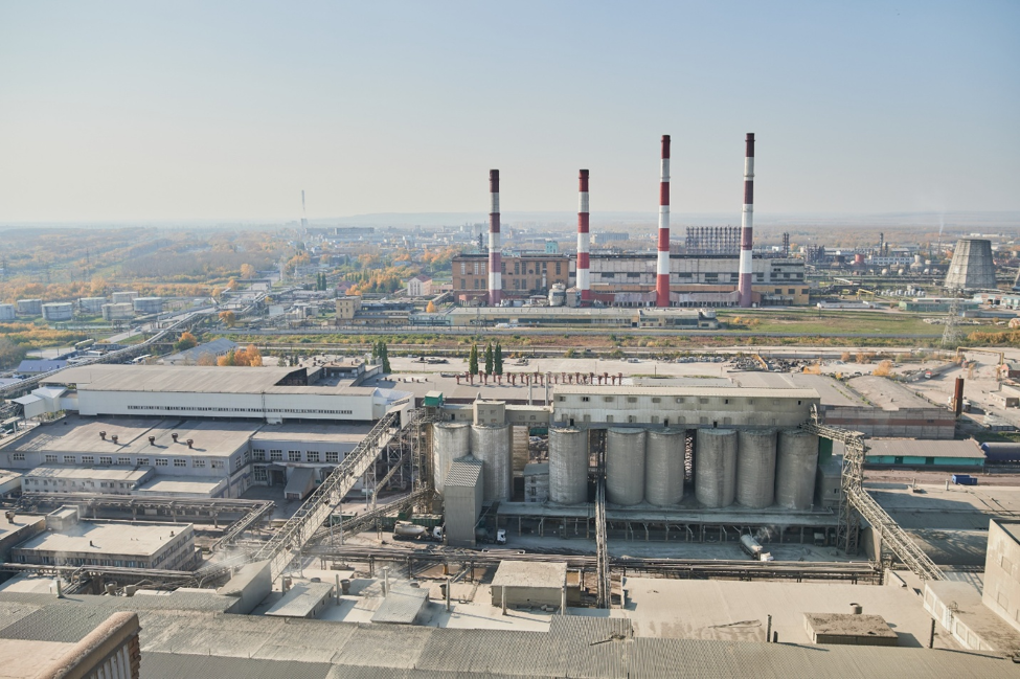
Across Canadian energy facilities, operators must also consider hydrogen sulfide, carbon monoxide, combustible gases, oxygen displacement and flame hazards. These risks can appear in production facilities, compressor stations, batteries, terminals, refineries, power generation sites, utility buildings, process areas, wastewater sites and biogas or RNG facilities.
Fixed gas detection plays an important role in helping facilities identify hazardous conditions before they escalate. However, effective detection is not just about installing devices. It requires the right technology, in the right location, supported by maintenance, calibration, alarm response planning and system integration.
Here are five common blind spots Canadian energy facilities should consider when reviewing their fixed gas and flame detection strategy.
Blind Spot 1: Treating Gas Detection as a Product Choice Instead of a Risk Strategy
A fixed gas detection system should start with the hazard, not the hardware.
Every site has different gas risks, process conditions, ventilation patterns, equipment layouts and operating realities. A detector that works well in one application may not be the right fit for another. Methane, hydrogen sulfide and carbon monoxide each behave differently. Outdoor installations, enclosed buildings, process skids, sample shelters and compressor areas may also require different detection strategies.
Before selecting equipment, facilities should review where gas could be released, how it may travel, where workers may be exposed and how alarms should be communicated. This review should include normal operations, maintenance activities, shutdowns, startup conditions and abnormal process events.
For more complex sites, fire and gas mapping can also help identify potential gaps in coverage before equipment is selected or installed. Tools such as Kenexis software can support this process by helping facilities evaluate detector placement, coverage and risk scenarios. This helps move the conversation beyond simply adding detectors and toward designing a detection strategy that reflects the actual site risk.
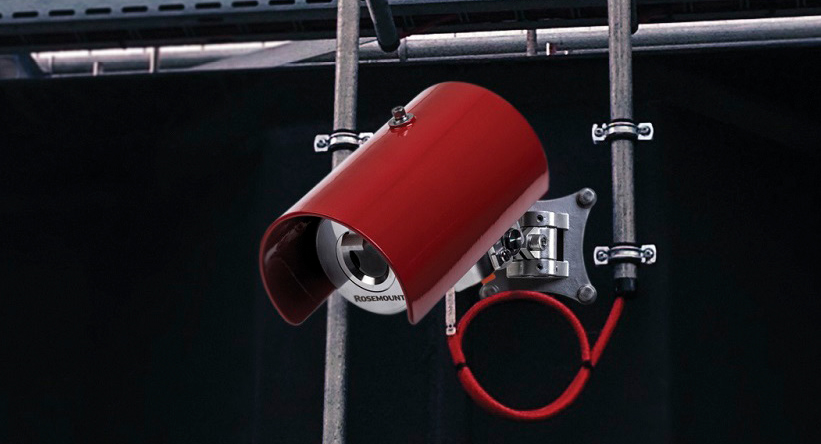
Fixed gas and flame detection products from Rosemount and Net Safety can support a range of energy applications, including combustible gas detection, toxic gas detection, infrared hydrocarbon detection and flame detection. The key is matching the detection technology to the actual risk.
Blind Spot 2: Relying on Smell, Experience or Visual Cues
Some gas hazards provide little or no warning.
Hydrogen sulfide, commonly known as H₂S or sour gas, is a colourless gas with a rotten egg odour, but CCOHS notes that it can dull the sense of smell. It is also extremely flammable, very toxic and can accumulate in hazardous amounts in low-lying areas, especially inside confined spaces.
Carbon monoxide creates a different challenge. CCOHS identifies carbon monoxide as a colourless and odourless gas. It is also classified as extremely flammable and toxic if inhaled.
For energy facilities, this matters because workers may not be able to smell, see or otherwise recognize a hazardous atmosphere in time. Fixed detection helps provide another layer of protection by continuously monitoring selected areas and triggering alarms when gas concentrations reach configured setpoints.
This is especially important in locations such as heater buildings, compressor buildings, analyzer shelters, battery sites, enclosed utility areas and process buildings where personnel may enter periodically rather than continuously.
Blind Spot 3: Overlooking Confined Spaces and Intermittent Work
Many Canadian energy facilities include tanks, vessels, pits, vaults, boilers, pump stations, digesters, manholes and other spaces where atmospheric conditions can change. CCOHS notes that confined spaces should be treated as hazardous unless a competent person has determined otherwise through a risk assessment.
Gas testing before entry is critical, but it is not always enough on its own. CCOHS states that air should be tested from outside the confined space before entry, throughout the space from side to side and top to bottom. It also says continuous monitoring should be considered where atmospheric conditions may change, including situations involving leaking pipes or vessels, work activities that create hazards, or where isolation is not possible.
Fixed gas detection does not replace confined space procedures or portable monitors, but it can support a broader safety strategy. For example, fixed detectors may help monitor adjacent process areas, equipment rooms or shelter spaces where changing conditions could create risk before or during work.
The strongest programs typically combine hazard assessments, entry procedures, portable detection, fixed detection, ventilation, trained personnel and clear alarm response protocols.
Blind Spot 4: Forgetting Canadian Site Conditions
Canadian energy facilities operate in demanding environments. Detection equipment may need to perform through cold weather, snow, ice, moisture, dust, vibration, washdown, remote access challenges and hazardous-area requirements.
Placement is also important. A detector that is technically suitable for the gas hazard may still be difficult to maintain if it is installed where technicians cannot safely reach it. Snow accumulation, prevailing wind, equipment congestion and building ventilation can all affect how a gas detection system performs in the field.
This is where application support becomes valuable. A practical detection strategy considers not only the gas, but also the installation environment, service access, calibration requirements, alarm visibility and long-term maintenance plan.
Some areas may also be difficult or costly to wire. Long conduit runs, remote equipment, temporary operating areas or changing site layouts can make traditional fixed installations more challenging. In those cases, wireless gas detection options such as the United Electric Vanguard may help extend coverage where appropriate.
For Canadian operators, gas detection should be selected and installed with the full lifecycle in mind.
Blind Spot 5: Having Alarms Without a Clear Response Plan
A gas detector is only useful if the alarm leads to the right action.
Facilities should consider who receives the alarm, what happens next, whether local visual or audible notification is required and how the signal integrates with the broader safety system. In some applications, detection may need to connect with shutdown systems, annunciators, control rooms, ventilation equipment or other site-specific response measures.
This is where audible and visual signalling becomes important. Products such as horns, strobes, speakers and hazardous-area notification devices from manufacturers such as Federal Signal can help ensure that alarms are noticed quickly, especially in loud process areas, outdoor facilities or locations where workers may not be near a control room.
CCOHS also identifies leak and fire detection equipment as part of engineering controls for hydrogen sulfide applications.
This is an important reminder that detection is part of a larger safety system. The goal is not just to detect gas. The goal is to help people respond quickly, reduce exposure risk and protect critical equipment and infrastructure.
Building a Better Gas Detection Strategy
For Canadian energy facilities, gas detection should be reviewed as part of a complete risk management approach. The most effective systems are built around the hazard, the application and the response plan.
That means asking practical questions:
- Where could gas be released?
- How could it move through the area?
- Could workers be exposed during routine or intermittent tasks?
- Is the detector technology suitable for the gas and environment?
- Can the equipment be maintained and calibrated safely?
- Does the alarm trigger a clear and appropriate response?
- Are there areas where traditional fixed installation is difficult?
- Is the alarm visible and audible to the right people?
- Would fire and gas mapping help identify coverage gaps?
Rosemount and Net Safety fixed gas and flame detection products can support a wide range of energy applications, from combustible gas and toxic gas detection to flame detection and hazardous-area monitoring. When combined with proper application review, service support, fire and gas mapping, alarm notification and system integration, these technologies can help facilities strengthen safety coverage and reduce operational blind spots.
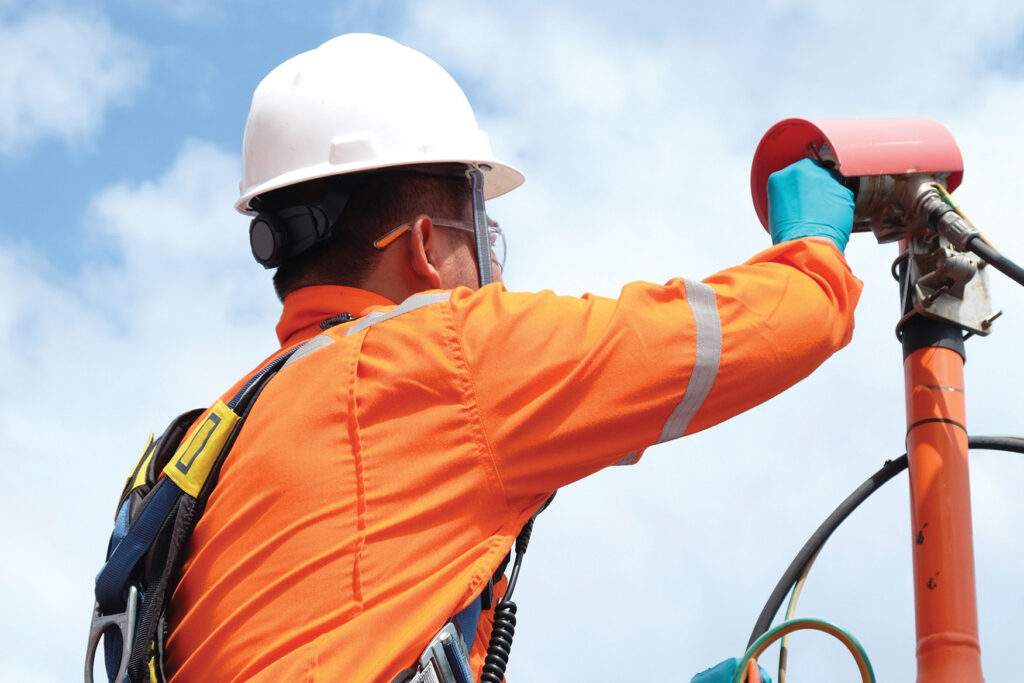
Westech Industrial supports Canadian energy facilities with fixed gas and flame detection products, application support, service capabilities, calibration support, system integration, custom panels and custom fabrication for industrial projects. Westech can also support complementary solutions such as Kenexis fire and gas mapping, Federal Signal and AST notification products, and United Electric Vanguard wireless gas detection where traditional fixed installations may be challenging.
For operators reviewing their gas detection coverage, the best starting point is not simply asking, “Do we have detectors installed?” The better question is, “Are we detecting the right hazards, in the right places, with the right response plan?”
For more information about or Life Safety supports and solutions please contact us today 1-800-912-9262 or email at [email protected]. For more information on our range of products please visit our website at https://westech-ind.com.
Share This:






















On The Verge: Energy Sector Primed for New Wave of Growth – ATB Economics