CDN NEWS |
  US NEWS







An Overview for Policymakers and the Public
Introduction
Ontario’s Ring of Fire is one of Canada’s most significant mineral resource regions, attracting attention for its economic potential and the complexities surrounding its development. As interest in the area grows, it is essential to understand its location, opportunities, the challenges ahead, and the crucial role of Indigenous communities in shaping its future.
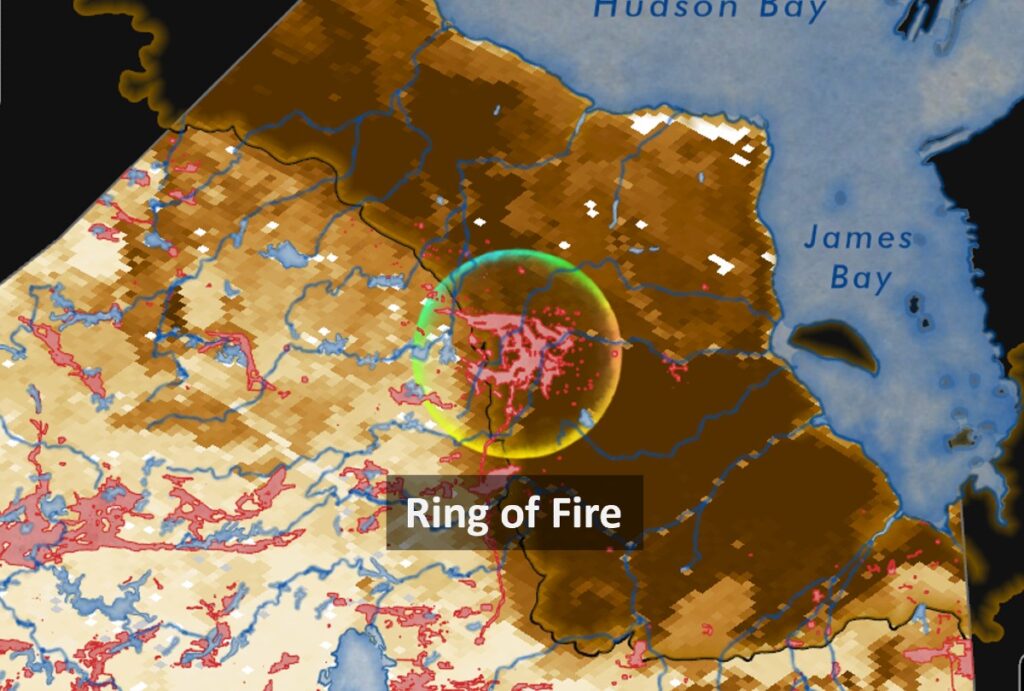
Location: Geographic Description and Significance
The Ring of Fire is located in the remote James Bay Lowlands of northern Ontario, approximately 300 miles north of Thunder Bay. The region is named for its horseshoe-shaped geological formation and covers an estimated 5,000 square kilometers. Its location within the traditional territories of several First Nations gives it not only geological but also cultural and social significance.
Potential for Development: Economic and Resource Opportunities
The Ring of Fire is believed to contain vast deposits of valuable minerals, including chromite, nickel, copper, and platinum. These resources are critical for steel production and the growing electric vehicle market. If developed, the region has the potential to generate thousands of jobs, stimulate local economies, and position Ontario as a leader in critical minerals supply.



Development Challenges: Infrastructure, Environmental, and Logistical Issues
Despite its promise, developing the Ring of Fire presents significant challenges. The region is extremely remote, with limited road or rail access, making transportation of materials and workers difficult and costly. The sensitive ecosystem of the James Bay Lowlands raises environmental concerns regarding habitat disruption and water quality. Harsh weather and seasonal changes further complicate construction and operations.
Obstacles to Overcome: Regulatory, Financial, and Technical Barriers
Development in the Ring of Fire faces several obstacles. Regulatory processes are complex, involving multiple levels of government and lengthy environmental assessments. High infrastructure costs—particularly for transportation and energy—pose financial hurdles. Technical challenges related to mining in wetlands and remote terrain also require innovative solutions and significant investment.
Indigenous Issues: Rights, Consultation, and Environmental Concerns
The Ring of Fire lies within the traditional lands of several Indigenous communities, including the Matawa and Mushkegowuk First Nations. Meaningful consultation and obtaining free, prior, and informed consent are legal and ethical requirements for any development. Many Indigenous groups have expressed concerns about environmental impacts, cultural preservation, and equitable sharing of economic benefits. Addressing these issues is vital to ensuring respectful, sustainable development and fostering positive relationships between governments, industry, and Indigenous peoples.
Summary and Outlook
Ontario’s Ring of Fire holds immense potential but faces an equally significant array of challenges. The path forward requires careful planning, substantial investment, and ongoing collaboration with Indigenous communities. By addressing infrastructure, regulatory, and environmental hurdles while prioritizing Indigenous rights and interests, the Ring of Fire can become a model for responsible and inclusive resource development in Canada.
Share This: