CDN NEWS |
  US NEWS









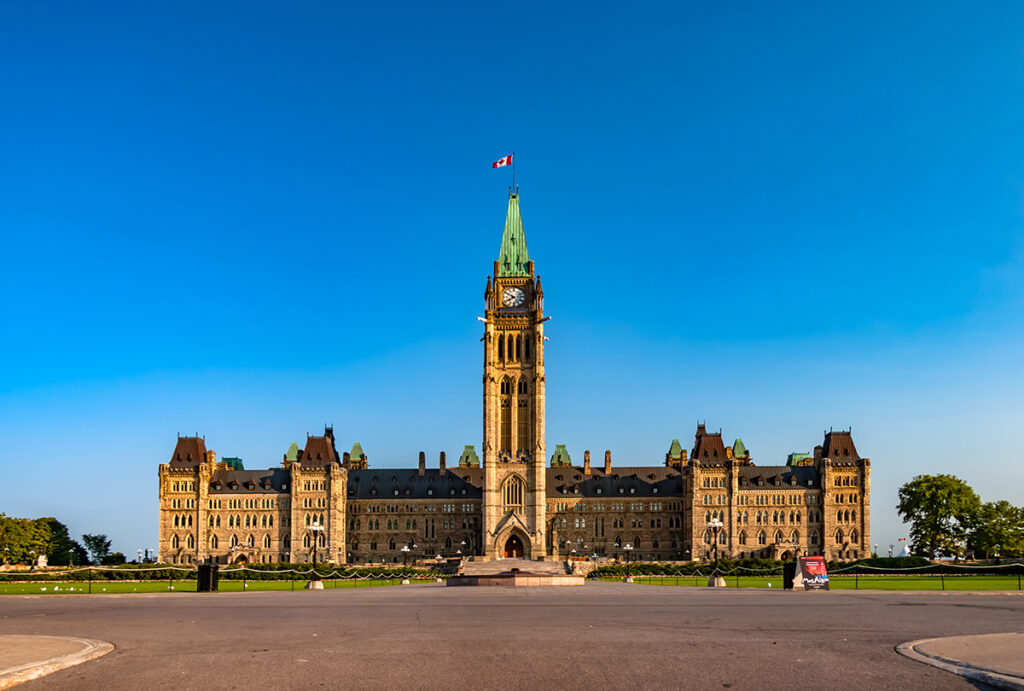
Since his election in April 2025, Prime Minister Mark Carney has done a masterful job to deconflict— which means, essentially, disarming—a swath of the most contentious policies in Canada. He has deconflicted carbon taxes, for example, by eliminating the consumer carbon tax and burying it (and increasing it) in the carbon tax levied on ‘industrial’ emitters.
He deconflicted Alberta oilsands production by burying various high-conflict policies (an oil and gas cap, provincial pipeline blockades, the tanker ban in British Columbia) by burying them in a grand-bargain ‘Memorandum of Understanding’ that in essence, replaces them with (again) hidden industrial carbon taxes and ‘carbon capture’.
He has deconflicted the federal electric vehicle mandate by transforming it (i.e. hiding it) into a vehicular ‘pollution control’ standard.
All of this deconflicting may suit the public’s desire for, well, less conflict, but it does not necessarily mean better policies, laws or regulations. In fact, quite the opposite. Carney is simultaneously increasing policy stringency and economic harm, while reducing policy transparency.

In fact, while he has been changing all of these various high-conflict policies, one thing has not changed—the underlying purpose of these policies. They still serve one overarching governmental priority—reducing Canada’s greenhouse gas (GHG) emissions to “net-zero” by 2050. By changing the regulations above from overt to covert operations, from weaker economic impact to stronger, the end result of all the deconfliction is likely to be more harmful policies, out of sight and out of mind.
But given the stunning failures of industrialized governments (including Canada) at reducing GHG emissions since the 1997 Kyoto Protocol, is the 2050 net-zero GHG emission goal a rational policy framework for managing Canada’s climate risks?
Probably not. The real question and conflict over climate policy—that is, whether to focus on adapting to the manifestations of climate change, or try to forestall those manifestations by preventing climate change via GHG emission controls—was steamrollered by politics almost as soon as the United Nations became involved in the issue in the 1990s.
But again, despite trillions spent and a galaxy of economically damaging and often socially regressive public policies, the global effort to limit GHG emissions has been a spectacular failure. To put it mildly, adaptability and social resilience to climate change have not been a priority.
Yet history shows that some societies have successfully adapted to major climate changes. In various European and North American jurisdictions, governments have successfully managed changes in drought and flooding frequency with engineering and technological adaptations. Same is true for increased hot weather via mixtures of technology and response programs using readily available communication methods and technologies.
Prime Minister Carney has masterfully deconflicted an array of climate policies that were politically dividing the country. However, he has not addressed the underlying problem. Canada’s overarching policy choice, of pursuing GHG emission extinction, is unchanged and still directing vast sums of Canada’s economic productivity into a rabbit hole of ineffective GHG-control policies, while shorting adaptation initiatives. This is a discussion worthy of some conflict.
Share This: