


 CDN NEWS |
  US NEWS







Airlines across the globe are starting to hike fares and fuel surcharges in response to a surge in oil prices sparked by the war in Iran, and Canada is no exception.
Several carriers indicated this week that higher ticket prices are likely — or already a reality — in response to cost pressures stemming from fallout of the conflict, which entered its 12th day on Wednesday.
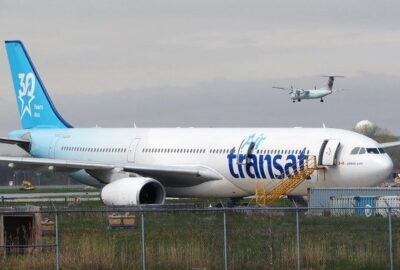
Transat A.T. Inc. CEO Annick Guérard said Air Transat has already begun to tack on bigger fuel surcharges for flights to Europe as jet fuel prices soar.
“What we’re also doing is currently raising fares on peak travel dates and routes where we see less competition,” she told analysts on a conference call Tuesday.
WestJet has suggested that price rises may be necessary, as has United Airlines — a Star Alliance partner of Air Canada, which means some flights booked via the country’s largest carrier could be more expensive.
“It’s likely further pricing adjustments may be needed,” WestJet told reporters this week, noting that fuel comprises its biggest cost.
Air New Zealand, Australia’s Qantas Airways and Scandinavia’s SAS are among the large airlines to announce price hikes.
The price of jet fuel skyrocketed 81 per cent last week and on Tuesday sat 52 per cent higher than levels from Feb. 27, the day before the U.S. and Israel launched attacks.
The global price, which rose to nearly US$4.37 per gallon last week, topped US$3.67 on Tuesday, up from about US$2.41 per gallon on Feb. 27, according to the Platts jet fuel index.
The roller-coaster ride traces price surges in crude oil, which have swelled above prewar levels over the past week, currently sitting over 40 per cent higher than where the commodity was before the strikes on Iran began.
Jet fuel, diesel and gasoline all derive from crude, making them sensitive to any swerve in its price.



If the higher price tags persist, more airlines and trucking and shipping companies along with a myriad of downstream businesses will have to pass some of those costs on to their customers, causing broader economic pain.
The U.S.-Israeli war on Iran launched on Feb. 28 and effectively shut down traffic on the Strait of Hormuz, a waterway that typically carries a fifth of the world’s oil shipments.
Many airlines have hedging policies in place to protect against such shocks. Acting as a kind of insurance, they help mitigate the risk of fluctuating fuel prices by creating fixed or capped costs on a portion of purchases.
Transat said it has partially hedged against jet fuel price increases.
“As a result, our short-term exposure is limited, as more than half of our consumption is subject to hedging positions,” said chief financial officer Jean-François Pruneau.
“However, if the situation currently impacting fuel prices should persist, the impact will grow over time unless mitigating measures are implemented.”
This report by The Canadian Press was first published March 11, 2026.
Companies in this story: (TSX:TRZ, TSX:AC)
Christopher Reynolds, The Canadian Press
Share This:






















COMMENTARY: Ottawa Provides Glimmer of Hope and Streamlines Review Process for Energy Projects