


 CDN NEWS |
  US NEWS







By: Tegan Hill and Nathaniel Li
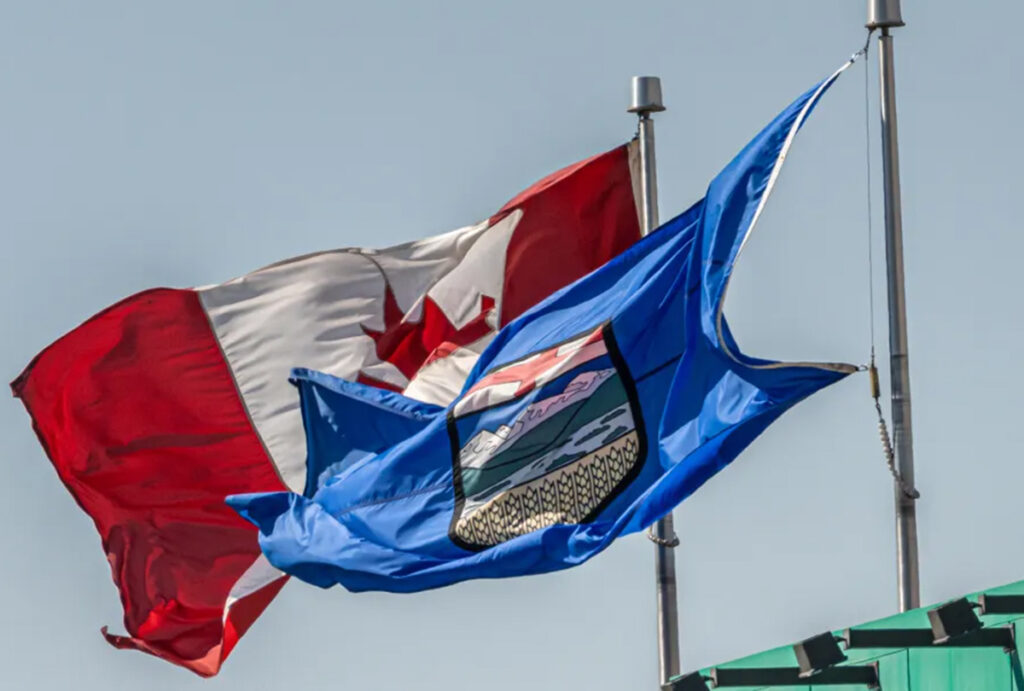
Albertans will face a referendum this fall asking them if they want to begin the process to formally separate from Canada. The Smith government recently warned that separation could come with big costs for Albertans—but what about the rest of Canada?
Let’s start with how we got here.
Albertans have a long history of making an outsized contribution to federal finances, contributing significantly more to federal revenues and national programs than they receive in transfers and federal spending. This is due to the province’s relatively high employment rates, higher average incomes and younger population.
For perspective, from 2007/08 to 2026/27, Albertans’ projected net contribution of $321.9 billion dwarfs the net contributions of British Columbians ($87.8 billion) and Ontarians ($59.6 billion) while the other seven provinces were net recipients, meaning Ottawa spent or transferred more money to those provinces than it collected.
Crucially, Albertans’ large net contribution benefits all Canadians as the federal government redistributes this money through different programs (e.g. equalization) to help fund government programs and keep taxes lower than they otherwise would be in other provinces. However, the scale and impact of this contribution is not widely understood.



But our new study provides some context. According to the study, from 2007/08 to 2026/27, if you removed Albertans’ net fiscal contribution, income taxpayers in other provinces would pay more than $1,000 in additional taxes each year (on average) to maintain their government services. In some years, the cost was nearly $2,000 per income taxpayer.
Clearly, Albertans provide benefits for other Canadians. But here’s where the frustration comes in—the same industry that helps Albertans make this large contribution has been under fire by the federal government for more than a decade. Indeed, Ottawa enacted several damaging energy policies under Justin Trudeau. Correspondingly, oil and gas investment in Alberta declined by more than 60 per cent (inflation-adjusted) since 2014. While the Carney government has made some important changes, many damaging federal policies remain in place.
For example, the government has yet to repeal Bill C-69 (a.k.a the “no pipelines act”) or undo the tanker ban off B.C.’s northern coast (Bill C-48), which limits market access for Canadian oil and gas. At the same time, it’s introduced strict methane regulations, costly carbon capture requirements, and—as part of its agreement with the Smith government—will increase the industrial carbon tax from $95 per tonne to $130 by 2040. All of these policies increase the cost of production and deter investment in Alberta.
Albertans will face a referendum on potential separation this fall. It’s important the rest of Canada understands how we arrived here so policymakers can help rectify frustrations in the province. After all, a strong Alberta benefits all Canadians.
Share This:





















COMMENTARY: Varcoe: ‘Do No Harm’: Should Alberta Step in to Fix Gas System Constraints, Given Past Energy Interventions?