CDN NEWS |
  US NEWS







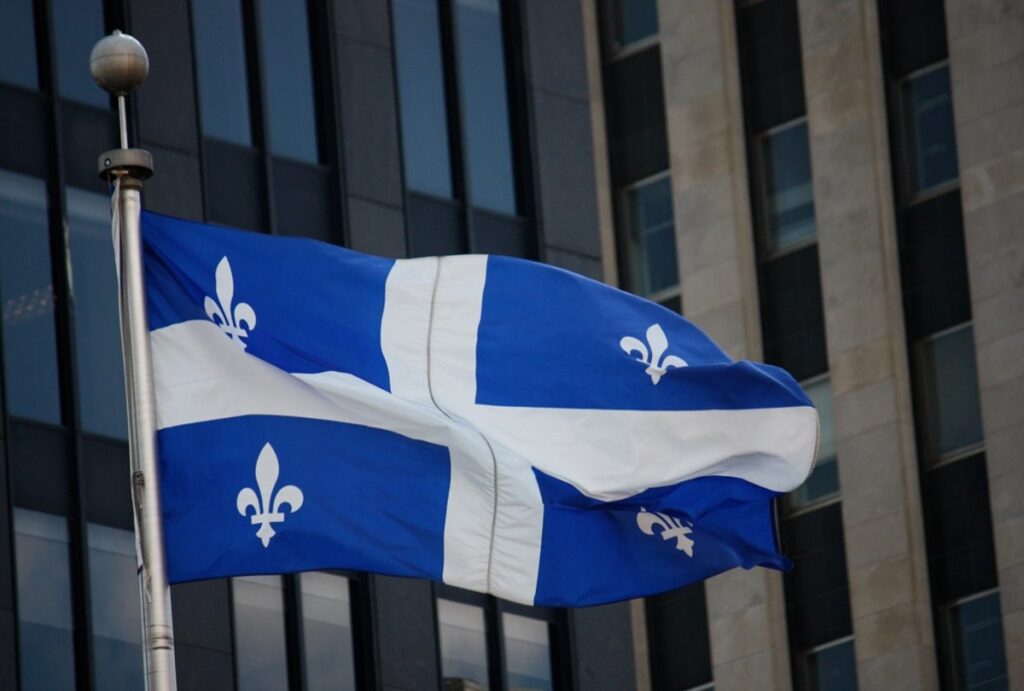
The province of Quebec, renowned for its vast hydroelectric resources, has long engaged in discussions about the potential for developing its own natural gas reserves. The debate is complex, involving geological, economic, environmental, and political considerations. This article examines the location and extent of Quebec’s oil and gas resources, the challenges to development, and an overview of how Quebec currently meets its natural gas needs.
Location of Oil and Gas Resources in Quebec
Natural gas and oil resources in Quebec are largely concentrated in two main geological regions: the St. Lawrence Lowlands and the Gaspé Peninsula. The St. Lawrence Lowlands, stretching between Montreal and Quebec City, is considered the most promising area for shale gas development, particularly within the Utica and Lorraine formations. These formations are known for their potential to yield shale gas through hydraulic fracturing (fracking) techniques.
In addition to the Lowlands, the Gaspé Peninsula in eastern Quebec has seen some conventional oil and gas exploration, particularly around the Haldimand and Bourque fields. However, resource estimates and economic viability remain uncertain, and significant commercial production has yet to materialize.
Challenges to Development
Geological and Technical Challenges
While resource potential exists, much of Quebec’s natural gas is trapped in shale formations, which require advanced extraction methods such as horizontal drilling and hydraulic fracturing. These methods are technically demanding, capital-intensive, and sometimes controversial due to environmental concerns regarding groundwater contamination, seismic activity, and land use.
Environmental Concerns
Public opinion in Quebec is strongly shaped by environmental considerations. The province has a robust environmental movement and a population that is highly protective of water resources, agricultural land, and rural communities. The use of fracking, in particular, has faced significant opposition due to perceived risks to groundwater and the broader ecosystem.



Regulatory and Political Challenges
Perhaps the most significant barrier to natural gas development in Quebec is political. In 2011, the provincial government imposed a moratorium on hydraulic fracturing in the St. Lawrence Lowlands due to public outcry and environmental concerns. This moratorium has since evolved into a de facto ban on fracking and new exploration permits in the region.
In 2022, the Quebec government took an unprecedented step by passing legislation to permanently ban oil and gas exploration and production on its territory, making it the first jurisdiction in the world to do so. The government cited climate commitments, environmental stewardship, and lack of public support as reasons for the ban. This legislative environment presents a major, if not insurmountable, challenge for any future development of natural gas resources within the province.
Quebec’s Current Natural Gas Supply
Despite its resources, Quebec currently imports nearly all of its natural gas. The province’s natural gas supply comes primarily via pipelines from Western Canada and the United States, notably through the TC Energy mainline system and connections with U.S. networks, such as the Portland Natural Gas Transmission System and the Maritimes & Northeast Pipeline. These pipelines deliver natural gas to Quebec’s distribution network, which serves residential, commercial, and industrial customers, especially in urban and industrialized regions.
With the province’s legislative ban on oil and gas development, Quebec is expected to continue relying on imported natural gas for the foreseeable future. However, there is ongoing interest in transitioning toward renewable natural gas (RNG) and increasing the share of biogas and hydrogen in the energy mix to further reduce greenhouse gas emissions.
Quebec possesses significant geological potential for natural gas development, particularly in the St. Lawrence Lowlands and Gaspé Peninsula. However, technical, environmental, and especially political challenges have made resource development highly unlikely in the near future. Instead, Quebec remains reliant on imported natural gas, while pursuing an energy transition focused on renewables and sustainability. The province’s unique stance underscores its commitment to environmental stewardship and climate leadership within Canada and beyond.
Share This: