CDN NEWS |
  US NEWS







What if the secret to understanding Canada’s energy future lies not in spreadsheets but in storytelling?
By Stewart Muir
By Resource Works
More News and Views From Resource Works Here
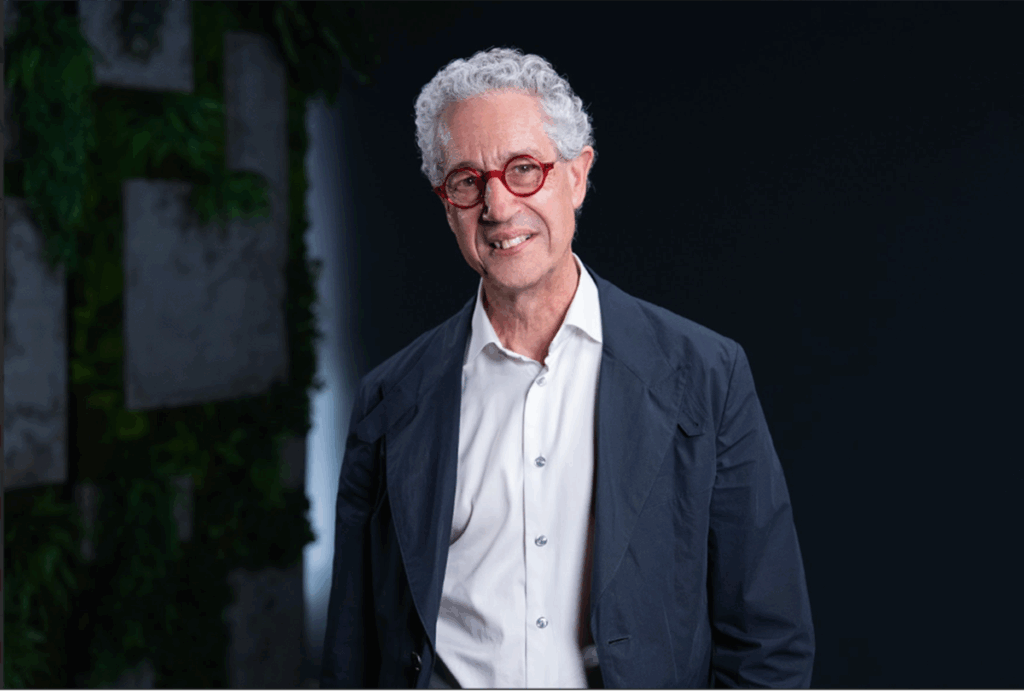
When I think about who has done the most to make sense of Canada’s energy story — not just in charts and forecasts but in human terms — Peter Tertzakian sits near the top of that list. He’s an energy economist, author, and communicator who has spent decades helping Canadians understand the world beneath their light switches and fuel gauges — and why prosperity, energy, and responsible development are inseparable.
Peter is widely known as the founder of the ARC Energy Research Institute and co-host of the ARC Energy Ideas podcast, alongside Jackie Forrest. Week after week, they unpack what’s happening in the markets, in technology, and in policy, always with the rare gift of clarity. He’s also the author of two influential books, A Thousand Barrels a Second and The End of Energy Obesity, both written l no ong before “energy transition” became a household term.
When we sat down for our Power Struggle conversation, I mentioned how remarkable it is that someone with Peter’s credentials — an economist, investor, and advisor to industry — is also an exhibiting artist whose photography can regularly be found in a gallery in the Canadian Rockies. That’s when he smiled and said what has become one of his signature lines: “I’ve always said a picture is worth a thousand spreadsheets.”
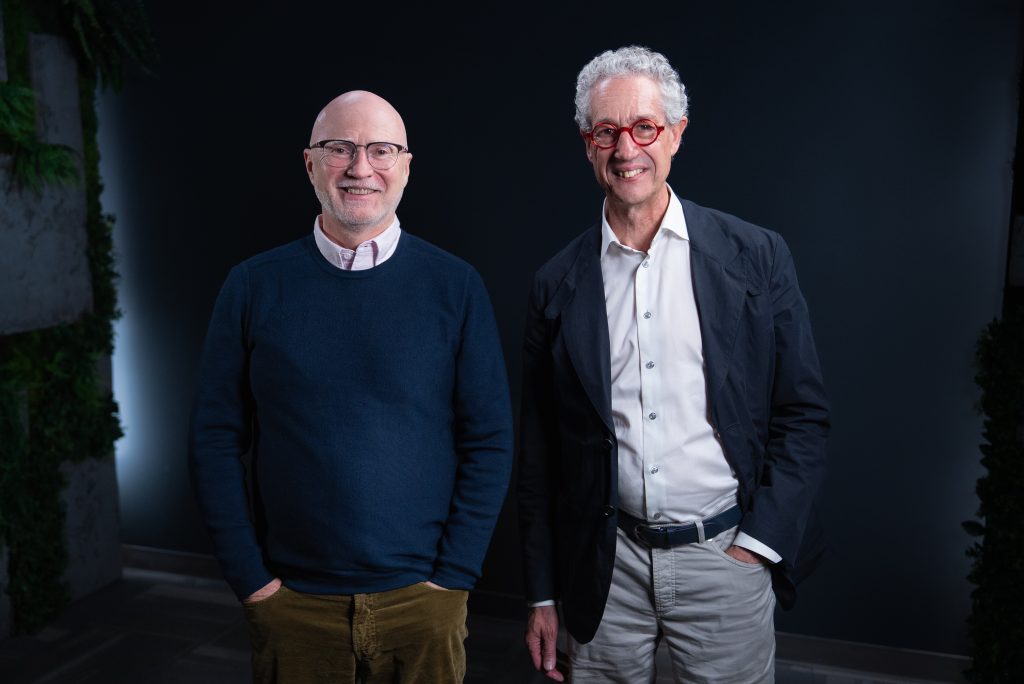
Resource Works CEO Stewart Muir (left) with Peter Tertzakian, the founder of the ARC Energy Research Institute



What followed was a fascinating discussion about how visual storytelling can bridge the gap between data and understanding. Peter explained that what began as a hobby has evolved into a personal quest to communicate complex energy subjects more effectively. His photographs, which range from industrial scenes to landscapes shaped by human activity, help connect the emotional and analytical sides of the energy story. The pictures, he said, reveal the same truths that his spreadsheets do — only in a way that more people can feel.
That resonates deeply with what we do at Resource Works — translating complexity into clarity so that Canadians can see how responsible resource development strengthens communities, funds public services, and opens doors for Indigenous partnerships. Like Peter, we believe that understanding energy isn’t about choosing sides; it’s about understanding systems, trade-offs, and the people behind the numbers.
Peter’s concern — and one I share — is how difficult it has become to find truth amid the noise. “People are bombarded by noise, especially today. And not all of that noise is true,” he said. “The challenge now is extracting the signal.” Whether you’re a policymaker, a corporate leader, or just someone trying to make sense of global change, Peter’s approach is to step away from confrontation and toward comprehension. His ability to blend visuals, narrative, and numbers makes complicated issues accessible without oversimplifying them.
Prosperity, Not Population, Drives Energy Demand
Our conversation also turned to the forces shaping global energy demand. Peter reminded me that the biggest driver isn’t population growth — it’s prosperity. “When a person moves from a rural setting to a city, their energy consumption goes up twentyfold, sometimes more,” he said. The story of urbanization, particularly in China, explains much of the past few decades of energy growth. Renewables have slowed that curve, but as Peter points out, “our use of fossil fuels is still growing.”
What I most admire about Peter is that he doesn’t preach. “I don’t have all the answers,” he told me. “My role is to discuss treatment options — not to perform the surgery.” It’s a refreshingly honest stance in a world where too many experts claim certainty.
On Power Struggle, Peter Tertzakian reminded me why he’s so respected across the energy world: he brings intelligence without ego, curiosity without ideology, and a deep respect for the audience’s ability to think. His work reminds us that Canada’s resource story — when told with honesty and creativity — is one of innovation, community, and shared prosperity. And that storytelling — visual, verbal, and numerical — remains our most powerful tool for navigating change.
Watch the video on Power Struggle
- Power Struggle audio and transcript
- Peter Tertzakian in Arc Energy Research Institute podcasts
- Peter Tertzakian on X
- Peter Tertzakian on LinkedIn
- Stewart Muir on X
- Stewart Muir on LinkedIn
Power Struggle on social media
- Power Struggle on LinkedIn
- Power Struggle on Instagram
- Power Struggle on Facebook
- Power Struggle on X
Share This: