CDN NEWS |
  US NEWS







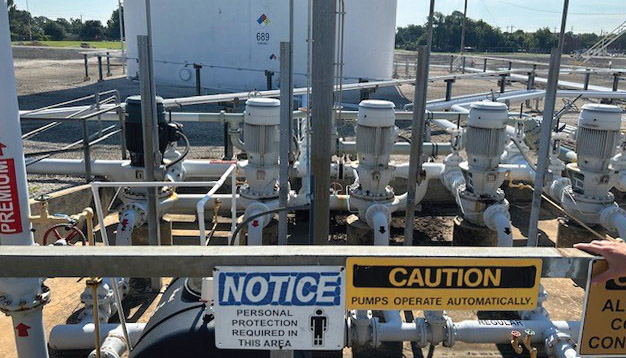
In midstream oil & gas, pump stations are the heartbeat of flow assurance. When a pump’s mechanical seal underperforms, the costs escalate quickly—unplanned downtime, lost throughput, unnecessary flaring or venting, and credibility on the line. API Plan 66A exists to catch problems early by detecting pressure build-up behind the seal and limiting leakage if a failure occurs. The catch, historically, has been implementation: wiring a transmitter back to a PLC, writing and validating custom logic, and keeping that logic synchronized with operating practices—all of which consumes valuable engineering time.
A major operator recently adopted a different approach: a self-contained pressure safety transmitter with an integrated safety relay. The result was faster deployment, fewer moving parts, and simpler compliance with Plan 66A intent—without sacrificing protection.
The challenge: make Plan 66A practical at scale
Plan 66A focuses on two things:
- Leakage limitation—a restrictive bushing in the seal gland reduces the amount of process fluid that can escape if the seal fails.
- Leak detection/alert—rising pressure in the seal cavity is detected so the pump can alarm or shut down before damage escalates.
In many installations, the detection piece relies on a conventional transmitter feeding a PLC or DCS where logic lives (trip, alarm, permissive). That model works—but it adds configuration, testing, documentation and long-term maintenance to every station.
A simpler architecture: One device, clear action
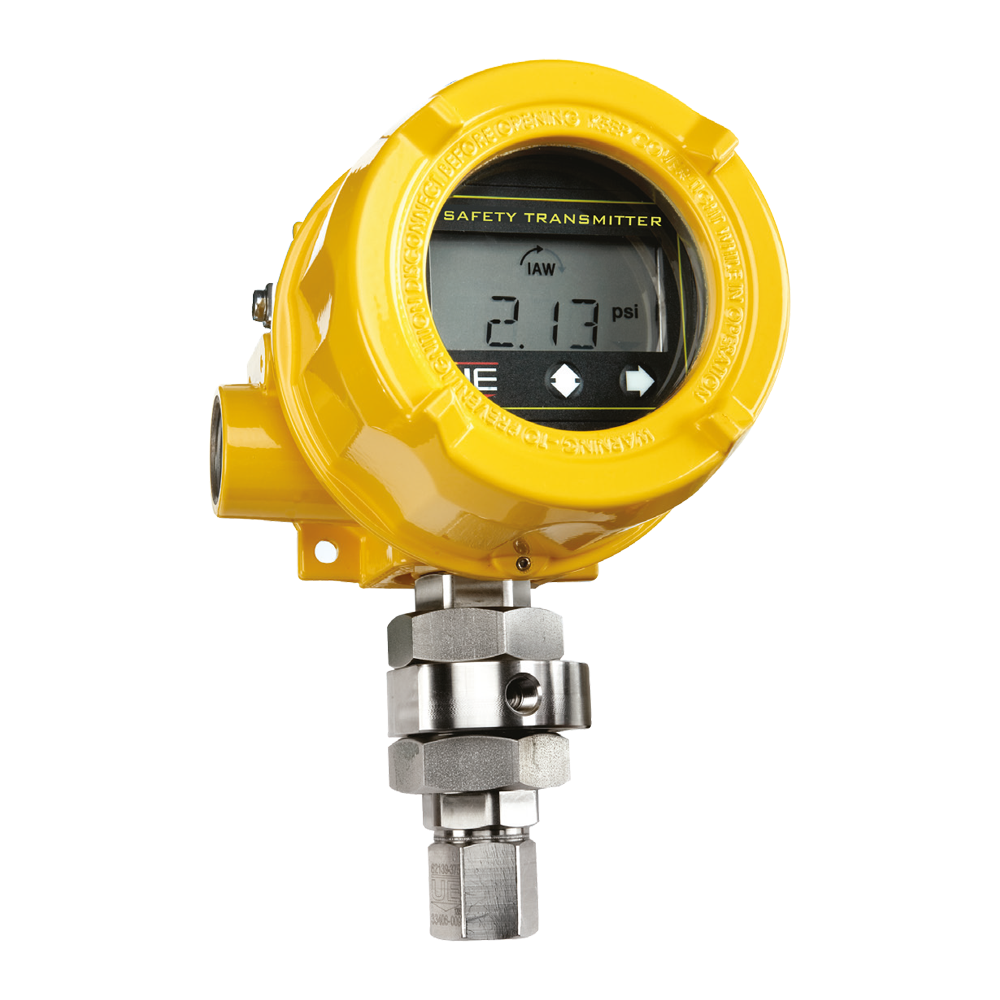
To reduce complexity, the operator selected the United Electric Controls ONE Series Safety Transmitter (model 2SLP48) with Safety Relay Output (SRO). It’s a SIL-rated pressure transmitter that includes a built-in safety relay, so it can act on high seal-cavity pressure locally—without waiting on a PLC program to be written or updated.
How it works in a Plan 66A application
- Under normal operation, small amounts of seal leakage drain through the restrictive bushing.
- If the seal begins to fail and cavity pressure rises, the ONE Series’ setpoint is reached and the integrated safety relay changes state—initiating an alarm and automatically tripping the pump per the site’s interlock design.
- Operators still get continuous pressure data for trending and optimization, but the safety action is embedded with the instrument.
Why this matters for midstream teams
- Fewer components, faster deployment. No PLC function block to write, no custom logic to validate, and no re-work when a station’s control platform changes.
- Clearer ownership. Operations can set and verify trip points at the device; maintenance can proof-test the loop without coordinating a controls change request.
- Predictable protection. A purpose-built, SIL-rated device reduces ambiguity about “who changed the code” and ensures the shutdown happens the same way—every time.
- Better uptime through early warning. Continuous, accurate pressure monitoring helps catch seal issues before they cascade into bigger failures or environmental events.
What the operator saw in practice
- Enhanced pipeline safety. Reliable pressure detection stabilized flow and reduced the likelihood of leaks and spills.
- Operational reliability. Trustworthy signal quality supported better pump performance, steadier throughput, and smarter maintenance planning.
- Lean design. With the safety function at the instrument, the station avoided additional PLC programming and the engineering hours that typically go with it.
Implementation notes (what to think through before you deploy)
- Setpoints & proof testing. Establish seal-cavity trip values that align with your seal vendor guidance and operating envelope. Define proof-test intervals and acceptance criteria so the shutdown is periodically verified.
- Bypass governance. If a bypass is required during maintenance, make it visible (procedural controls, lockout tags, or control panel indication) with a clear return-to-service step.
- Alarm hierarchy. Consider a staged approach: warning alarm for trending + high-high trip for automatic shutdown.
- Documentation. Even when logic resides in the device, capture the cause-and-effect in your station C&E matrix and MOC records.
Where this approach fits best
- Remote pump stations where control system resources are limited or standardized logic is preferred.
- Brownfield upgrades where you want Plan 66A functionality without changing PLC code or pulling new I/O.
- Hazardous services where timely, deterministic shutdown helps limit emissions and equipment damage.
About Westech & how to engage
Westech Industrial supports midstream operators across Western Canada with United Electric Controls (UE) ONE Series Safety Transmitters and application expertise for API Plan 66A deployments. We can help you:
- Validate the Plan 66A strategy for your seal and process conditions
- Select the right ONE Series model and relay configuration
- Define proof-test procedures and commissioning checklists
- Standardize a station-by-station retrofit package
Learn more or request a demo:
westech-ind.com | 1-800-912-9262
Westech Industrial Ltd. is the authorized distributor for United Electric Controls in Western Canada. Product names and trademarks belong to their respective owners. Always verify device ratings and site requirements before deployment.
Share This: