


 CDN NEWS |
  US NEWS







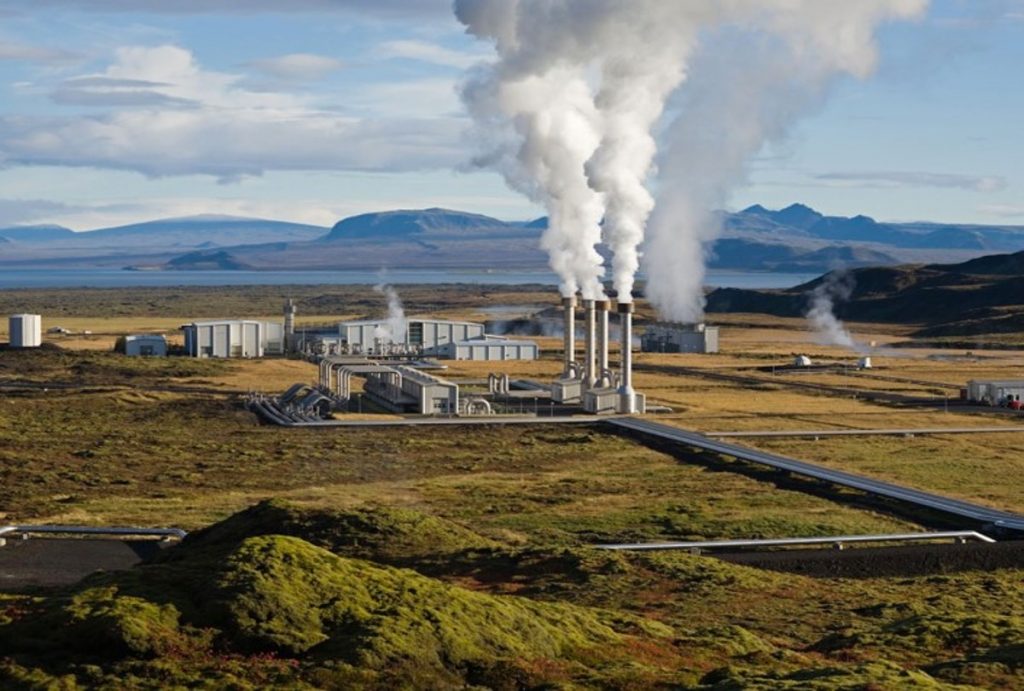
Harnessing Earth’s Heat for a Sustainable Future
Introduction
Geothermal energy, the heat derived from the Earth’s internal core, offers a renewable and reliable source of power and heating. Unlike more intermittent sources like solar and wind, geothermal energy provides a constant supply, making it a highly attractive option for regions with suitable resources. In Canada—a country renowned for its vast geography, abundant natural resources, and cold climate—the exploration and development of geothermal energy has gained significant momentum in recent years.
What Is Geothermal Energy in the Canadian Context?
Geothermal energy harnesses the natural heat stored beneath the Earth’s surface. In Canada, this energy can be tapped for both electricity generation and direct use applications, such as district heating, greenhouse agriculture, and industrial processes.
There are two primary types of geothermal systems:
- High-temperature geothermal systems—typically found in regions with volcanic or tectonic activity—are used for electricity generation, producing steam or hot water that drives turbines.
- Low-temperature or shallow geothermal systems—widely distributed and accessible across Canada—are mainly used for heating and cooling through ground-source heat pumps.
While shallow geothermal (ground-source heat pumps) have been used in Canada for decades, particularly in residential and commercial heating, large-scale geothermal electricity generation has historically lagged behind due to geological constraints, abundant hydroelectric resources, and relatively cheap electricity. However, with increasing focus on decarbonization, energy diversification, and remote community energy solutions, geothermal is emerging as a vital component of Canada’s sustainable energy future.
Recent Developments in Geothermal Technology
The past decade has seen remarkable advances in geothermal technology globally, with Canada actively participating in research, pilot projects, and commercial deployment. Some of the recent developments include:
1. Enhanced Geothermal Systems (EGS)
EGS technology enables extraction of geothermal energy from hot dry rock formations that lack natural water or permeability. By artificially fracturing the rock and circulating water, energy can be harnessed from a much wider array of geological settings. In Canada, EGS research is underway in several universities and research institutions, with demonstration projects planned in places like British Columbia and Alberta.
2. Binary Cycle Power Plants
Traditional geothermal plants require high temperatures, but binary cycle technology allows for efficient electricity generation from lower-temperature resources. In this system, geothermal fluid heats a secondary liquid with a lower boiling point, producing vapor that drives turbines. This innovation opens up vast regions of Canada, which may not have high-temperature reservoirs but do possess significant moderate-temperature resources.
3. Direct Use Applications and District Heating
Instead of converting geothermal heat to electricity, direct use systems deliver thermal energy directly for heating buildings, greenhouses, aquaculture, and industrial processes. Canada’s cold climate and many remote communities make these applications particularly attractive. Cities like Winnipeg and communities in the Yukon and Northwest Territories have piloted or implemented geothermal district heating systems, reducing reliance on diesel and natural gas.
4. Integration with Oil & Gas Infrastructure
Canada’s mature oil and gas industry provides legacy wells, drilling technology, and subsurface expertise that can be repurposed for geothermal development. Several companies are evaluating the conversion of abandoned or marginal oil wells into geothermal wells, leveraging existing infrastructure and workforce.
5. Policy and Regulatory Support
The federal and provincial governments are increasingly supporting geothermal through funding, incentives, and streamlined permitting. Natural Resources Canada (NRCan) and provincial agencies have launched mapping programs, feasibility studies, and grants to accelerate project development.
Areas in Canada Where Geothermal Is Being Explored
Canada’s geothermal potential is distributed unevenly, with the most promising regions generally found in the western provinces and northern territories. Key areas of exploration include:
1. British Columbia
British Columbia (BC) boasts some of the highest geothermal potential in Canada, notably along the Coast Mountains and in the Northern Interior. The Mount Meager area is considered the most promising, with high temperatures and historical geothermal gradient studies. Several companies and government agencies have conducted drilling and resource assessments in the area.
Other regions in BC, such as the Lower Mainland and Vancouver Island, are also being evaluated for both electricity generation and direct use projects.



2. Alberta
Alberta’s deep sedimentary basins offer moderate-temperature resources suitable for both power generation (with binary cycle technology) and direct heating. The presence of extensive oil and gas infrastructure makes it a prime region for geothermal repurposing projects. The southern and central parts of Alberta are seeing the majority of exploration activity.
3. Saskatchewan and Manitoba
Saskatchewan and Manitoba have modest geothermal potential, especially for direct use and district heating applications. Pilot projects are underway to assess the feasibility of heating communities and commercial greenhouses with geothermal resources.
4. Yukon and Northwest Territories
The northern territories face high energy costs and logistical challenges due to remoteness and harsh climates. Geothermal offers a sustainable, local alternative to diesel power. Exploration and demonstration projects are ongoing near Whitehorse (Yukon) and in several communities in the Northwest Territories.
5. Atlantic Canada
While the geothermal gradient in Atlantic Canada is generally lower, there is growing interest in shallow geothermal (ground-source heat pumps) for residential and commercial heating. Research is ongoing to determine the feasibility of direct use and industrial applications.
6. Remote and Indigenous Communities
Many Indigenous and remote communities across Canada are exploring geothermal energy as a means to achieve energy independence, reduce costs, and support sustainable development. Partnerships between Indigenous organizations, government, and industry are central to these efforts.
Most Prominent Companies Involved in Geothermal in Canada
The Canadian geothermal sector is relatively young compared to countries like Iceland or the United States, but several companies are leading the charge in exploration, development, and technology innovation. Some of the most prominent include:
1. DEEP Earth Energy Production Corp.
Based in Saskatchewan, DEEP Earth Energy is developing Canada’s first commercial-scale geothermal power facility near Estevan. The project plans to use binary cycle technology to generate up to 20 MW of electricity, providing a template for future projects in sedimentary basins across the country.
2. Eavor Technologies
Headquartered in Calgary, Alberta, Eavor has pioneered the “Eavor-Loop™,” a closed-loop geothermal system that circulates fluid through an underground well system without the need for reservoirs or fracking. Eavor’s pilot project near Rocky Mountain House, Alberta, is attracting international attention and investment.
3. Borealis GeoPower
Borealis GeoPower, based in Calgary, focuses on developing geothermal resources in British Columbia and Alberta. Their Canoe Reach and Lakelse Lake projects aim to supply renewable heat and power to local communities and industries.
4. Terrapin Geothermics
Also based in Alberta, Terrapin Geothermics develops geothermal district heating and power projects, working closely with municipalities and industrial clients. The company is active in feasibility studies and pilot projects throughout Western Canada.
5. Geothermal Canada (formerly Canadian Geothermal Energy Association)
As the national industry organization, Geothermal Canada provides advocacy, research, and networking for the geothermal community, supporting both established companies and innovative startups.
6. Other Notable Organizations
- SNC-Lavalin—A major engineering firm involved in geothermal feasibility studies and project development.
- Altarock Energy—A company involved in demonstration projects and partnerships with Canadian organizations.
- Several Indigenous-owned enterprises—Partnering with private and public stakeholders to explore and develop local geothermal resources.
Challenges and Opportunities
Despite promising advancements, geothermal energy in Canada faces several challenges:
- Geological uncertainty—High upfront costs and the risk associated with resource characterization can deter investment.
- Competition from low-cost hydroelectricity and natural gas—Particularly in provinces like British Columbia and Quebec.
- Regulatory and permitting processes—Geothermal resources often fall into regulatory “grey areas” not covered by traditional oil and gas or renewable energy frameworks.
However, the opportunities are equally significant:
- Decarbonization—Geothermal offers zero-emission, baseload power and heat, crucial for meeting climate targets.
- Remote community energy—Reducing diesel dependence and improving energy security for remote and Indigenous populations.
- Economic diversification—Repurposing oil and gas expertise and infrastructure creates new economic opportunities.
Geothermal energy in Canada is transitioning from a niche technology to a viable, sustainable solution for power and heating, thanks to technological innovation, policy support, and the efforts of pioneering companies. With continued investment, research, and collaboration among industry, government, and Indigenous communities, geothermal could play a pivotal role in Canada’s clean energy future—providing reliable heat and power while reducing greenhouse gas emissions. As projects move from exploration to commercial operation, Canada stands poised to become a leader in harnessing the Earth’s heat for generations to come.
Share This:






















REALITY: Tariffs, Trade, Integration and Productivity—the Canadian Conundrum