CDN NEWS |
  US NEWS









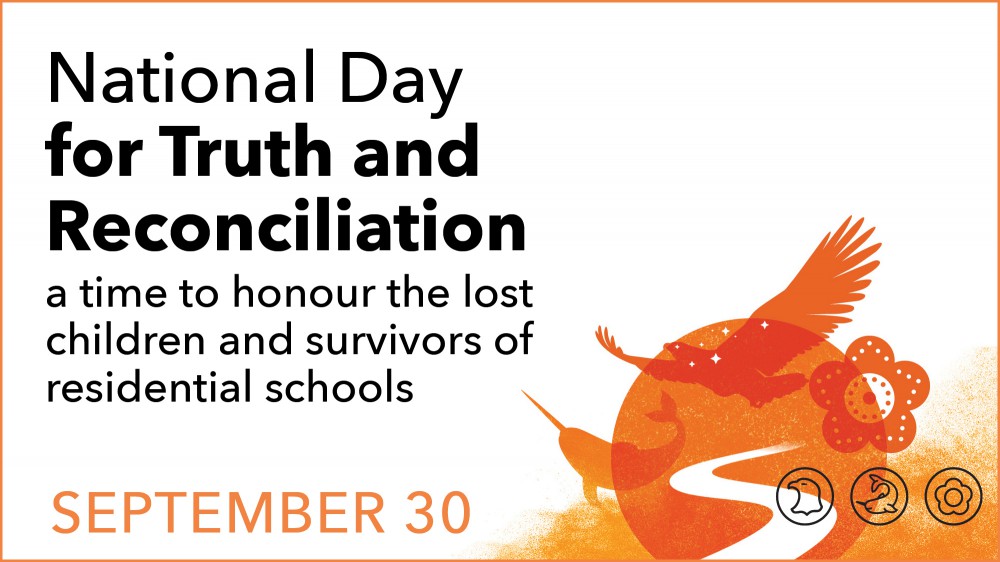
September 30 is the National Day for Truth and Reconciliation.
Truth and Reconciliation Day, officially known as the National Day for Truth and Reconciliation, is a significant observance in Canada. It is held annually on 30 September and serves as a time for all Canadians to reflect on the lasting impacts of the residential school system and to honour the survivors, their families, and communities.
Historical Background
The residential school system, which operated in Canada from the late 1800s to 1996, was a network of boarding schools established by the Canadian government and run by religious organizations. Its primary aim was to assimilate Indigenous children into Euro-Canadian culture, often through forceful removal from their families and communities. The legacy of this system includes profound trauma, loss of language and culture, and intergenerational impacts on Indigenous peoples across the country.
The Truth and Reconciliation Commission (TRC)
In 2008, the Canadian government established the Truth and Reconciliation Commission to document the history and ongoing impacts of the residential schools. The TRC brought forward the voices of thousands of survivors and issued 94 Calls to Action in 2015. These Calls to Action outlined steps for governments, institutions, and all Canadians to address the injustices and work towards genuine reconciliation.
The Creation of Truth and Reconciliation Day
The National Day for Truth and Reconciliation was established as a federal statutory holiday in 2021, following the discovery of unmarked graves at former residential school sites. The date, 30 September, coincides with Orange Shirt Day—a grassroots movement that began in 2013 to honour the story of Phyllis Webstad, a residential school survivor who had her orange shirt taken from her on her first day at school. The orange shirt has since become a symbol of the experiences of Indigenous children who were taken from their families.
Purpose and Significance
This day serves multiple purposes:

- To honour survivors of residential schools and their families.
- To acknowledge and remember those children who never returned home.
- To educate Canadians about the history and ongoing impacts of colonialism and the residential school system.
- To encourage meaningful action towards reconciliation, as outlined in the TRC’s Calls to Action.
How Canadians Observe the Day
Observances on 30 September vary across the country. Many people wear orange shirts, attend commemorative events, participate in educational activities, and take time to listen to the stories of survivors.
Orange Shirt Day is an Indigenous-led commemorative day honouring the children who survived residential schools and remembering those who did not. This day relates to the experience of Phyllis Webstad on her first day of school, where she arrived dressed in a new orange shirt, which was taken from her.
Schools, workplaces, and public institutions may host learning sessions, art installations, or moments of silence. The day is also a time for self-education and reflection on how each individual can contribute to reconciliation.
The orange shirt is now a symbol of the stripping away of culture, freedom and self-esteem experienced by Indigenous children over generations.
Ongoing Reconciliation Efforts
Truth and Reconciliation Day is not only about remembrance but also about taking concrete actions. Reconciliation involves acknowledging past harms, supporting Indigenous-led initiatives, advocating for policy changes, and fostering respectful relationships between Indigenous and non-Indigenous peoples. It is an ongoing process that requires commitment from all sectors of Canadian society.
The National Day for Truth and Reconciliation is a solemn reminder of Canada’s history and a call to action for a more inclusive and just future. By recognizing this day, Canadians affirm their commitment to understanding, respect, and the ongoing journey towards reconciliation.
EnergyNow encourages it’s subscribers, followers on social media and website visitors to take time on Sept. 30 and any other day to learn more about the dark history of residential schools, as well as Indigenous culture and history, and reflect on the 94 Calls to Action included in the final report of the Truth and Reconciliation Commission.
Reconciliation with Indigenous peoples in Canada requires real action on the part of the all Canadians, in addition to symbolic activities such as land acknowledgements.
Share This: