


 CDN NEWS |
  US NEWS









By Tegan Hill and Nathaniel Li
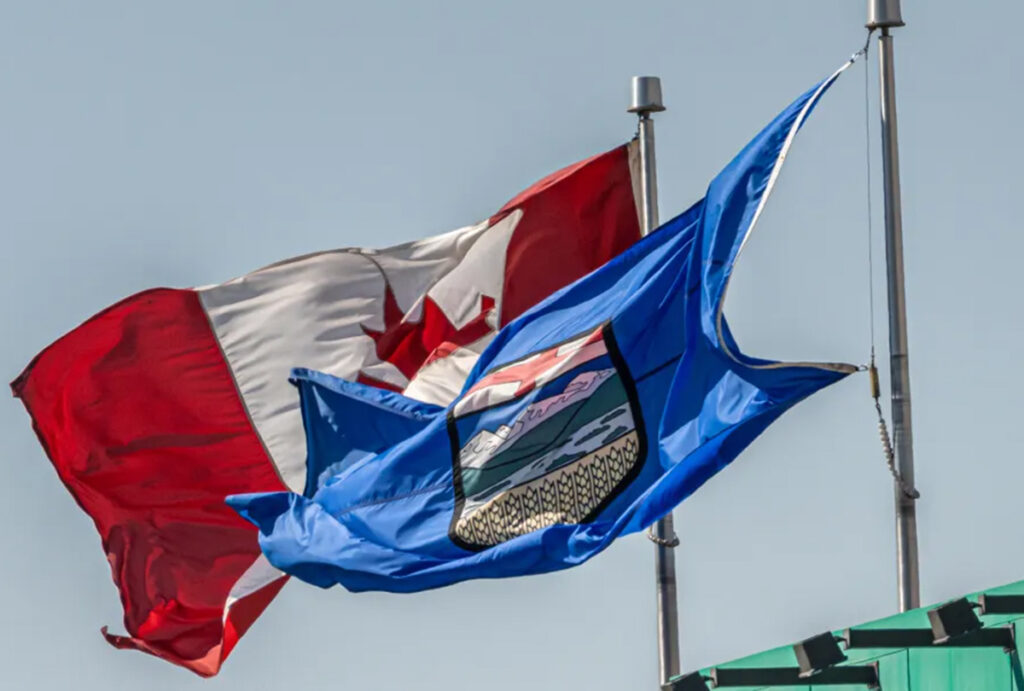
As the Alberta Next Panel—tasked with advising the Smith government on how the province can better protect its interests and defend its economy—prepares to reconvene on August 14, one thing is clear: many Albertans feel they’re treated unfairly in the federation. But if the rest of Canada understands and respond to Albertans’ concerns, it could lead to a stronger Canada for everyone.
Under the current system of fiscal federalism, Ottawa collects taxes then redistributes money to the provinces and/or individual Canadians through programs including equalization, the Canada Pension Plan (CPP) and employment insurance (EI). Albertans make outsized contributions to these programs because the province has a relatively young population, fewer retirees, higher incomes and higher employment rates.
For perspective, from 2007 to 2022, Albertans’ net contribution to federal finances (total federal taxes paid by Albertans minus federal money spent or transferred to Albertans) was $244.6 billion—more than five times the net contribution from British Columbians or Ontarians (the only other two net contributors).
Consider Alberta’s role in the equalization program, which redistributes money to theoretically ensure each province can provide comparable levels of public services at comparable tax levels. In 2023, the federal government spent $24.0 billion including an estimated $3.3 billion from Alberta, which has not received equalization payments since 1964/65.

Albertans’ also disproportionately contribute to the CPP. From 1981 to 2022, the amount Albertans paid into the program—over and above what retirees in Alberta received in CPP payments—was $53.6 billion. That’s approximately six times greater than the net contribution of B.C., the only other net contributing province. Put differently, residents in seven out of the nine provinces that participate in the CPP (Quebec has its own plan) receive more in benefits than they contribute to the program.
And from 1981 to 2023, Alberta workers contributed $23.9 billion more to Canada’s EI program than Albertans received back in EI benefits. (Ontario was the only province to make a larger net contributor to the program.)
In their current form, both the CPP and EI rely heavily on contributions from Albertans. Alberta’s withdrawal would necessitate fundamental changes to these programs including higher contribution rates (i.e. taxes) and potentially reduced benefits for Canadians in other provinces.
Clearly, Albertans make an outsized contribution to the federation—but that, in itself, isn’t the issue. Here’s the problem—at the same time, federal policies disproportionately and negatively impact the province including Bill C-69 (the “no pipelines act,” which imposes onerous review requirements on major energy projects including pipelines), an oil tanker ban limiting energy exports to Asian markets off B.C.’s northern coast, an arbitrary cap on oil and gas emissions that will require production cuts while most of our international peers ramp up production, numerous “net-zero” policies, and so on.
These policies prevent Alberta from reaching its full economic potential. According to estimates from a 2024 Deloitte report commissioned by the Alberta government, due to the federal emissions cap, Alberta’s economy (GDP, inflation-adjusted) will be $191 billion smaller from 2030 to 2040, and result in lower wages, job losses and a decline in tax revenue. Ironically, this also means less revenues for Ottawa. The same report estimates the emissions cap will shrink Canada’s economy by more than $280 billion over the same 10-year period. In other words, these federal policies have consequences for not only Albertans but all Canadians.
The Alberta Next Panel presents an opportunity. If Canadians outside Alberta can better understand the province’s important role in the federation, it could lead to undoing the damaging federal policies that limit Alberta’s energy sector, which would ultimately benefit Canadians across the country.
Share This:





















B.C.’s Overlooked Firm Power Option: What the Geothermal Evidence Shows – Resource Works