


 CDN NEWS |
  US NEWS







By Tegan Hill and Elmira Aliakbari
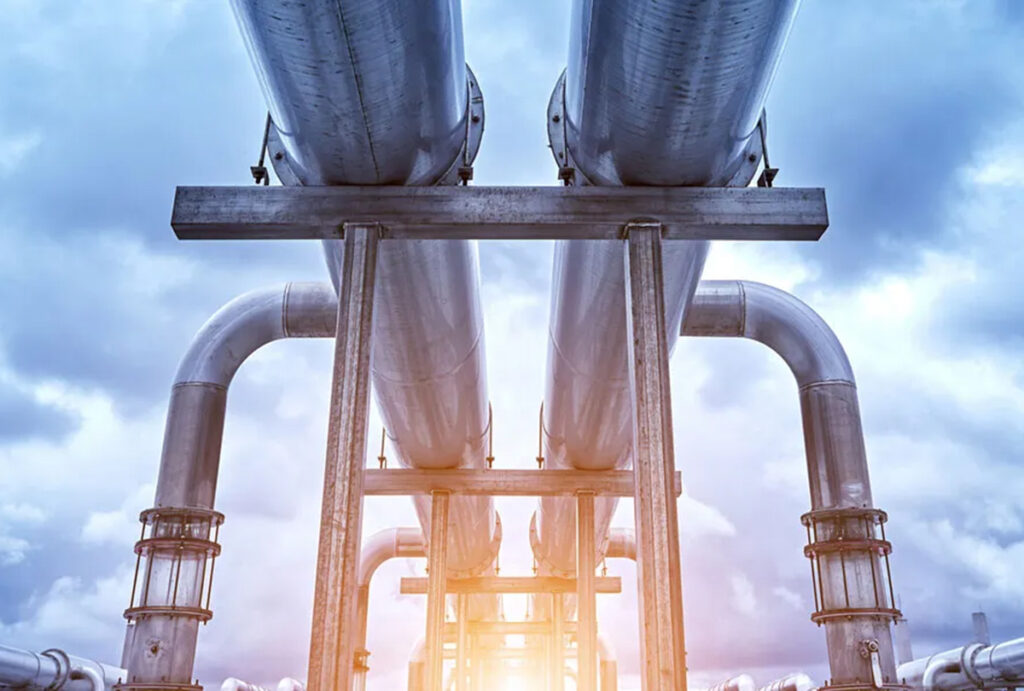
In a recent meeting with Prime Minister Mark Carney, the provincial premiers discussed major infrastructure and energy projects to be fast-tracked through a new federal approval process. While the general sentiment was that the meeting was productive and collaborative, the British Columbia government seemingly shot down Alberta’s proposed pipeline to B.C.’s northern coast. This political resistance to new pipeline infrastructure overlooks the positive potential impact such projects could have for Canada and beyond.
Prime Minister Carney plans to table legislation that would create a new major projects office tasked with reducing approval times from five to two years, among other measures. Major projects must meet numerous criteria before deemed in the “national interest” and expedited. The premiers have compiled a short-list of projects for consideration though the full list has not been publicly released.
Alberta Premier Danielle Smith’s proposed pipeline would transfer bitumen to the Port of Prince Rupert in B.C., which would open up access to Asian markets. B.C. Deputy Premier Niki Sharma, who attended the recent meeting in place of B.C. Premier David Eby, said the proposal has “no proponent” at this stage and that her government plans to focus on “shovel-ready projects.”


And it isn’t just the Eby government resisting the project—Steven Guilbeault, a member of Carney’s cabinet, recently dismissed the need for additional pipeline infrastructure, including to B.C.’s coast, based on incorrect information about the Trans Mountain pipeline’s capacity and future oil demand.
Again, this political resistance ignores key facts about Canada’s energy sector, including our current overreliance on a single customer. Currently, 97 per cent of our oil exports go to the United States. This heavy reliance on the U.S. market has made Canada vulnerable to U.S. policy changes, as highlighted by the recent threat of tariffs on Canadian energy. Expanding pipeline infrastructure—both westward, as proposed by Premier Smith, and eastward—would help us diversify our export market and allow Canada to reach customers in Asia and Europe.
And pipeline expansion is not just about exports; it’s also about enhancing energy security at home. Some parts of our country, namely Ontario and Quebec, remain heavily dependent on U.S. pipelines to meet their energy needs. Specifically, due to the lack of an west-east pipeline dedicated to oil, for more than 70 years Canadian oil extracted in Alberta has passed through the U.S. via Enbridge’s network before returning to Ontario.
Finally, this discussion shouldn’t be limited to oil. There is and will continue to be strong demand for liquefied natural gas (LNG) in many parts of the world, including in Asia, for many years to come, which presents Canada with a significant opportunity to become a major LNG exporter and provide cleaner-burning fuel to countries such as China and India. However, building the necessary infrastructure (pipelines and LNG terminals) is critical if we’re serious about seizing this opportunity.
Governments across Canada should support critical energy infrastructure, including pipelines. This means putting politics aside and recognizing the importance of infrastructure in expanding export opportunities, ensuring energy security, reducing global emissions and creating prosperity across the country.
Share This:






















INSIGHT: Canada’s Natural Resource Sector is at the Heart of the Government’s ‘Export & Diversification’ Plan