


 CDN NEWS |
  US NEWS







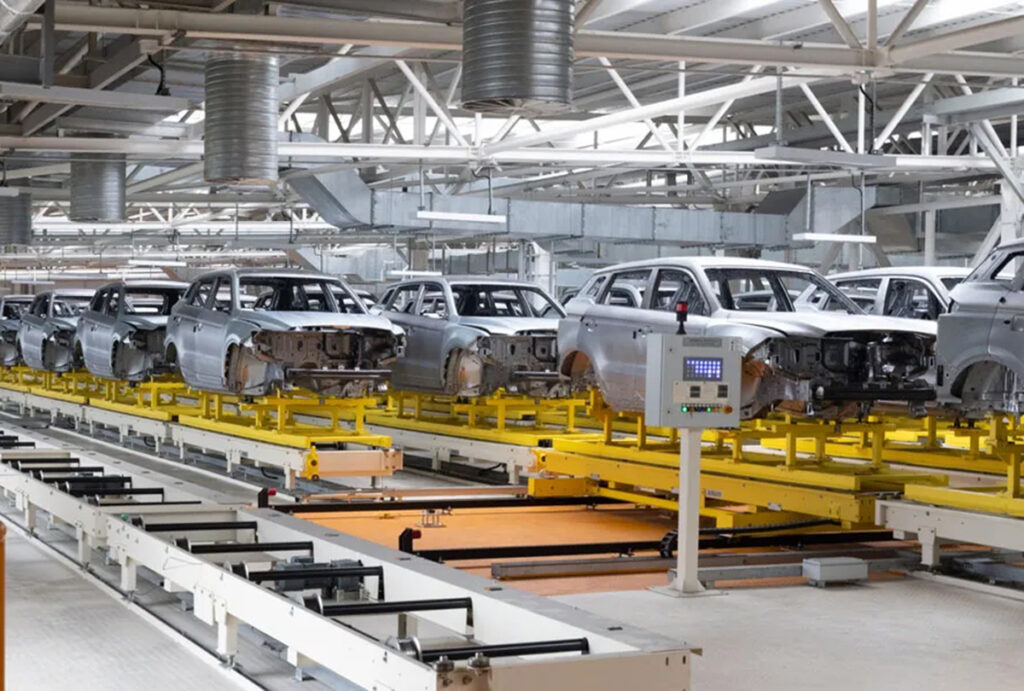
The vision of an all-electric transportation sector, shared by policymakers from various governments in Canada, may be fading fast.
The latest failure to charge is a recent announcement by Honda, which will postpone a $15 billion electric vehicle (EV) project in Ontario for two years, citing market demand—or lack thereof. Adding insult to injury, Honda will move some of its EV production to the United States, partially in response to the Trump Tariff Wars. But any focus on tariffs is misdirection to conceal reality; failures in the electrification agenda have appeared for years, long before Trump’s tariffs.
In 2023, the Quebec government pledged $2.9 billion in financing to secure a deal with Swedish EV manufacturer NorthVolt. Ottawa committed $1.34 billion to build the plant and another $3 billion worth of incentives. So far, per the CBC, the Quebec government “ invested $270 million in the project and the provincial pension investor, the Caisse de dépôt et placement du Québec (CDPQ), has also invested $200 million.” In 2024, NorthVolt declared bankruptcy in Sweden, throwing the Canadian plans into limbo.
Last month, the same Quebec government announced it will not rescue the Lion Electric company from its fiscal woes, which became obvious in December 2024 when the company filed for creditor protection (again, long before the tariff war). According to the Financial Post, “Lion thrived during the electric vehicle boom, reaching a market capitalization of US$4.2 billion in 2021 and growing to 1,400 employees the next year. Then the market for electric vehicles went through a tough period, and it became far more difficult for manufacturers to raise capital.” The Quebec government had already lost $177 million on investments in Lion, while the federal government lost $30 million, by the time the company filed for creditor protection.


Last year, Ford Motor Co. delayed production of an electric SUV at its Oakville, Ont., plant and Umicore halted spending on a $2.8 billion battery materials plant in eastern Ontario. In April 2025, General Motors announced it will soon close the CAMI electric van assembly plant in Ontario, with plans to reopen in the fall at half capacity, to “align production schedules with current demand.” And GM temporarily laid off hundreds of workers at its Ingersoll, Ontario, plant that produces an electric delivery vehicle because it isn’t selling as well as hoped.
There are still more examples of EV fizzle—again, all pre-tariff war. Government “investments” to Stellantis and LG Energy Solution and Ford Motor Company have fallen flat and dissolved, been paused or remain in limbo. And projects for Canada’s EV supply chain remain years away from production. “Of the four multibillion-dollar battery cell manufacturing plants announced for Canada,” wrote automotive reporter Gabriel Friedman, “only one—a joint venture known as NextStar Energy Inc. between South Korea’s LG Energy Solution Ltd. and European automaker Stellantis NV—progressed into even the construction phase.”
What’s the moral of the story?
Once again, the fevered dreams of government planners who seek to pick winning technologies in a major economic sector have proven to be just that, fevered dreams. In 2025, some 125 years since consumers first had a choice of electric vehicles or internal combustion vehicles (ICE), the ICE vehicles are still winning in economically-free markets. Without massive government subsidies to EVs, in fact, there would be no contest at all. It’d be ICE by a landslide.
In the face of this reality, the new Carney government should terminate any programs that try to force EV technologies into the marketplace, and rescind plans to have all new light-duty vehicle sales be EVs by 2035. It’s just not going to happen, and planning for a fantasy is not sound government policy nor sound use of taxpayer money. Governments in Ontario, Quebec and any other province looking to spend big on EVs should also rethink their plans forthwith.
Share This:






















INSIGHT: Canada’s Natural Resource Sector is at the Heart of the Government’s ‘Export & Diversification’ Plan