CDN NEWS |
  US NEWS







Despite Ottawa’s campaign against oil and gas, Alberta’s net payments to the federal government are five times those of B.C. and Ontario
Tegan Hill and Spencer Gudewill
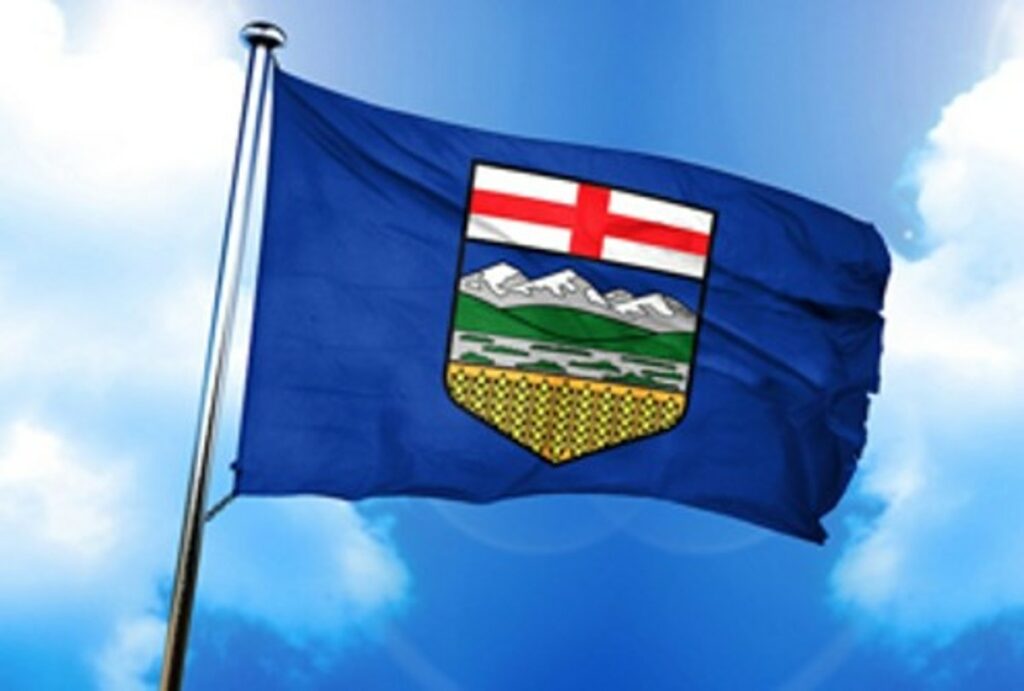
According to a recent poll by the Angus Reid Institute, nearly half of Albertans believe they get a “raw deal” being part of Canada, giving more than they get. It’s easy to see why they’re frustrated. Despite the province’s crucial role in the federation, the federal government continues to inflict restrictive and damaging policies on Alberta’s economy.
The list of hurtful federal policies includes: complex, uncertain and onerous review requirements on major energy projects; bans on large oil tankers off British Columbia’s northern coast that limit access to Asian markets; arbitrary oil and gas emission caps; the “clean fuel standard”; many “net-zero” targets that disproportionately impact Alberta; and so on. Not surprisingly, the same poll found that 65 per cent of Albertans believe federal policies have hurt their province’s economy.
What’s less clear is why the federal government wants to thwart Alberta’s economic engine, given how much the province contributes to the federation financially. Under contemporary federalism, Ottawa collects various taxes then redistributes money via programs including equalization, the Canada Pension Plan (CPP) and employment insurance (EI).
According to our new study published by the Fraser Institute, from 2007 to 2022 (the latest year for which complete data are available), Albertans contributed a total of $244.6 billion — almost a quarter trillion dollars — more to Ottawa in taxes and other payments than they received in federal spending. That’s more than five times the net contribution of British Columbians or Ontarians, the other two provinces that gave more than they got back. The remaining seven provinces received more federal dollars than they contributed to federal revenues.

In sum, Alberta is by far the largest net contributor to Ottawa’s coffers. Its large contribution reflects its comparatively young population (which means it has fewer retirees), its higher rates of employment, its higher average incomes and its relatively strong economy. Alberta has a history of punching above its weight economically. From 1981 to 2022, it had the highest annual average economic growth rate in Canada. And despite dips in growth due to the 2014 oil-price collapse and COVID, in 2022 it accounted for 17.9 per cent of Canada’s total economic growth despite being home to just 11.6 per cent of the country’s population.
It’s a similar story for business investment per private-sector worker. In 2022, Alberta’s was more than twice that in the average of the other provinces. And Alberta accounted for nearly one in every five private-sector jobs created in Canada in 2022.
Alberta’s prosperity, which helps fuel the federation, may help explain why in 2022 56,245 more Canadian residents moved to Alberta than left it — a much higher net inflow than in any other province. For decades, Alberta has provided economic opportunities for Canadians from other provinces willing to relocate. It still does.
Bottom line? Without Alberta’s large net contribution, Ottawa would have significantly larger budget deficits. Without Alberta, the Trudeau government’s 2022 budget deficit of $25.7 billion would have been $39.9 billion. The larger the deficit (all else equal) the greater the debt accumulation, which Canadians must ultimately finance through their taxes.
A strong and prosperous Alberta benefits all of Canada, both directly in economic spillovers and indirectly in fiscal contributions. If Ottawa actually supported this success, Albertans could continue to contribute relatively more to the federation than Canadians in other provinces. A federal government that had the whole country’s interests at heart would encourage, not discourage, Alberta’s economic growth.
Tegan Hill is director of Alberta policy at the Fraser Institute, where Spencer Gudewill is an analyst.
Share This: