CDN NEWS |
  US NEWS








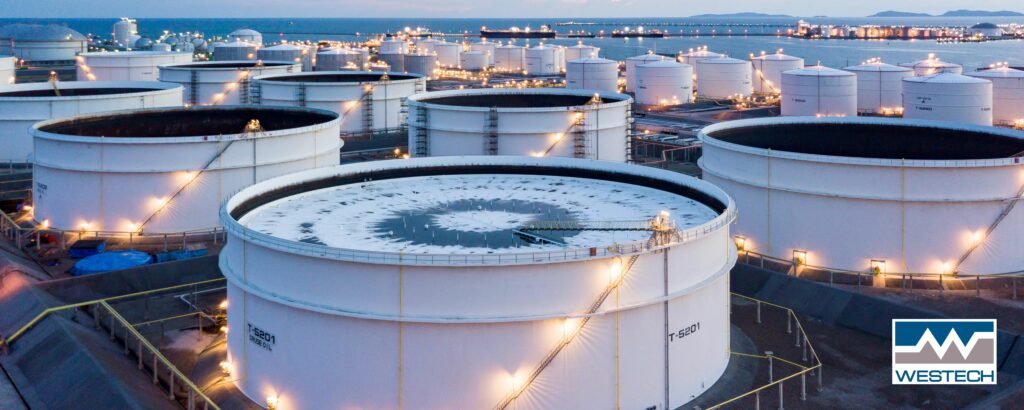
The energy industry is constantly evolving, driven by advancements in technology and a relentless pursuit of efficiency and safety. One of the critical areas witnessing significant innovation is level measurement, a fundamental aspect of process control in various applications such as storage tanks, reactors, and silos. This article explores some of the latest trends and technologies in level measurement, highlighting their impact on the energy sector and beyond.
Advances in Radar and Ultrasonic Level Measurement
Radar and ultrasonic technologies have revolutionized level measurement by offering non-contact solutions that provide accurate readings in challenging environments. Traditional methods, such as float-based systems, often struggle with issues like buildup, corrosion, and wear and tear. In contrast, radar and ultrasonic sensors are immune to these problems, ensuring reliability and longevity.
Radar level measurement, especially, has seen remarkable improvements. Modern radar sensors operate at higher frequencies, such as 80 GHz, which allows for better focus and narrower beam angles. This results in more precise measurements, even in vessels with complex geometries. Ultrasonic sensors, while generally used in less demanding applications, have also benefited from advancements in signal processing and materials, enhancing their accuracy and durability.
Digital Transformation and Smart Instrumentation
The integration of the Industrial Internet of Things (IIoT) into level measurement systems marks a significant leap forward. Smart sensors equipped with digital communication capabilities enable real-time monitoring and diagnostics. This connectivity allows for predictive maintenance, reducing downtime and operational costs.
Digital twins, virtual replicas of physical assets, are increasingly being used to simulate and optimize level measurement processes. By analyzing data from smart sensors, operators can predict potential failures and make informed decisions to improve efficiency and safety. Additionally, IIoT platforms facilitate seamless integration with enterprise resource planning (ERP) systems, providing a holistic view of operations.
Ensuring Safety and Compliance
Safety remains a paramount concern in the energy industry. Accurate level measurement plays a crucial role in preventing overfills, leaks, and spills, which can have catastrophic consequences. Compliance with industry standards, such as API and ISO, is essential to ensure the safe operation of facilities.
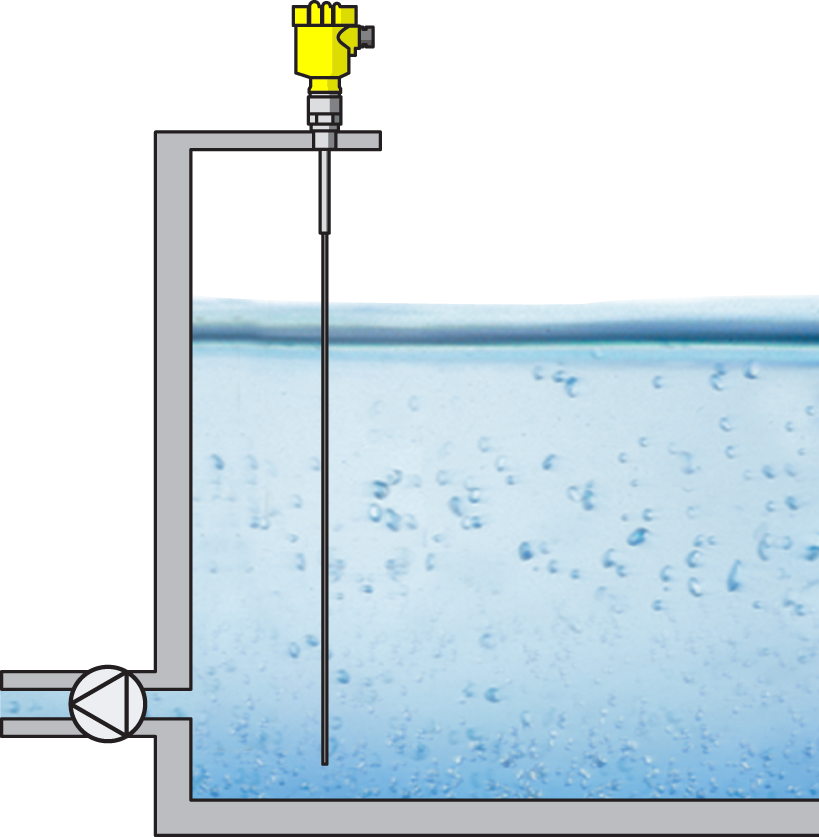
Recent innovations include guided wave radar (GWR) technology, which combines the benefits of radar and ultrasonic measurement guided wave radar (GWR) technology, GWR sensors use a waveguide to direct microwave pulses towards the measured medium, minimizing the impact of obstacles and turbulence. This technology is particularly effective in applications with high levels of dust, vapor, or foam, where traditional methods might fail.
Remote Monitoring and Maintenance
The advent of remote monitoring solutions has transformed level measurement. Operators can now access real-time data from anywhere, enabling swift response to potential issues. Remote monitoring systems are particularly valuable in geographically dispersed facilities, such as offshore platforms and remote oil fields.
The ability to perform remote diagnostics and updates reduces the need for on-site visits, enhancing safety and efficiency. This capability is crucial in the current global scenario, where minimizing human presence in hazardous areas is a priority.
Case Study: Jerguson® Magnicator® with Guided Wave Radar (MGWR™)
One of the standout innovations in level measurement is the Jerguson® Magnicator® with Guided Wave Radar (MGWR™) by Clark-Reliance. This advanced system exemplifies the integration of traditional and modern technologies to deliver unparalleled performance and reliability.
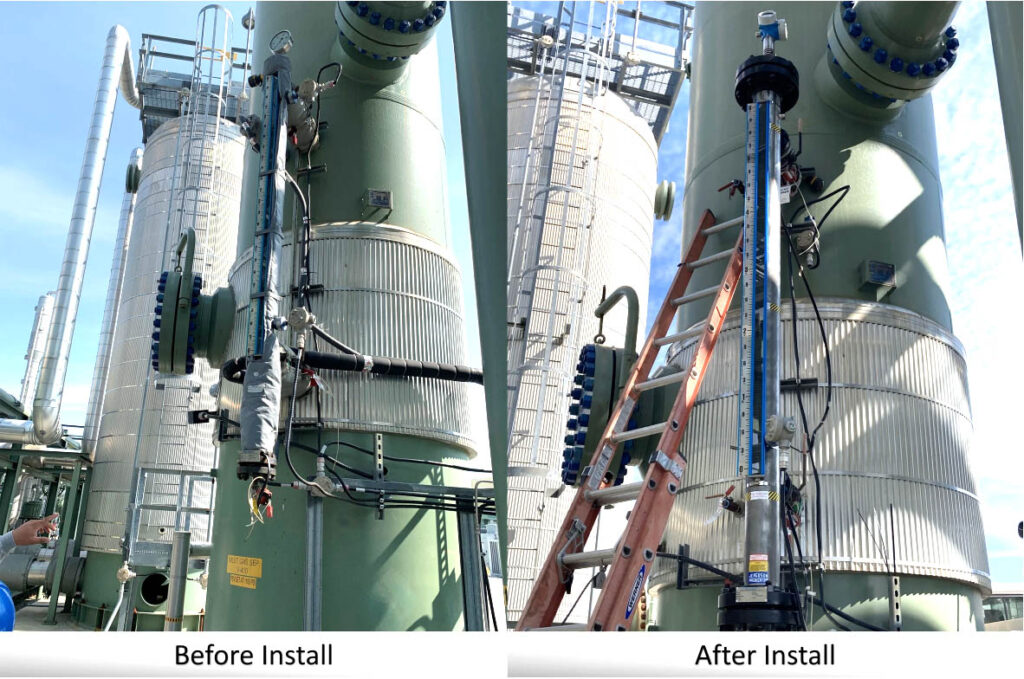
The Jerguson® MGWR™ combines the visual indication of a magnetic level gauge with the accuracy of guided wave radar. This dual functionality provides operators with a reliable backup and enhances safety by offering two independent measurement methods. The guided wave radar technology ensures precise level readings even in the presence of challenging conditions such as high temperature, pressure, and turbulence.
Moreover, the MGWR™ is designed for ease of installation and maintenance. The system can be integrated with existing infrastructure, reducing the need for extensive modifications. Its robust construction ensures long-term reliability, making it an ideal solution for demanding environments in the energy industry.
Conclusion
Innovations in level measurement technology are driving the energy industry towards greater efficiency, safety, and sustainability. From advancements in radar and ultrasonic sensors to the integration of digital twins and remote monitoring, these technologies are transforming how level measurement is performed. The Jerguson® Magnicator® with Guided Wave Radar stands as a testament to the potential of combining traditional methods with cutting-edge innovations to achieve superior performance.
Westech Industrial is proud to be the sole distributor for Clark Reliance Jerguson MGWR in Canada. To learn more about this innovative solution and how it can benefit your operations, please call us or visit our website.
As the energy sector continues to evolve, staying abreast of these developments will be crucial for professionals involved in instrumentation and process control. Embracing these technologies not only enhances operational efficiency but also ensures compliance with safety standards, ultimately contributing to a more sustainable and resilient energy industry.
Share This: