


 CDN NEWS |
  US NEWS







‘The whole world needs LNG. This project and others like it are critical for energy security in Asia and around much of the rest of the world’
Follow CEC on Facebook CEC Facebook
Follow CEC on Twitter CEC Twitter
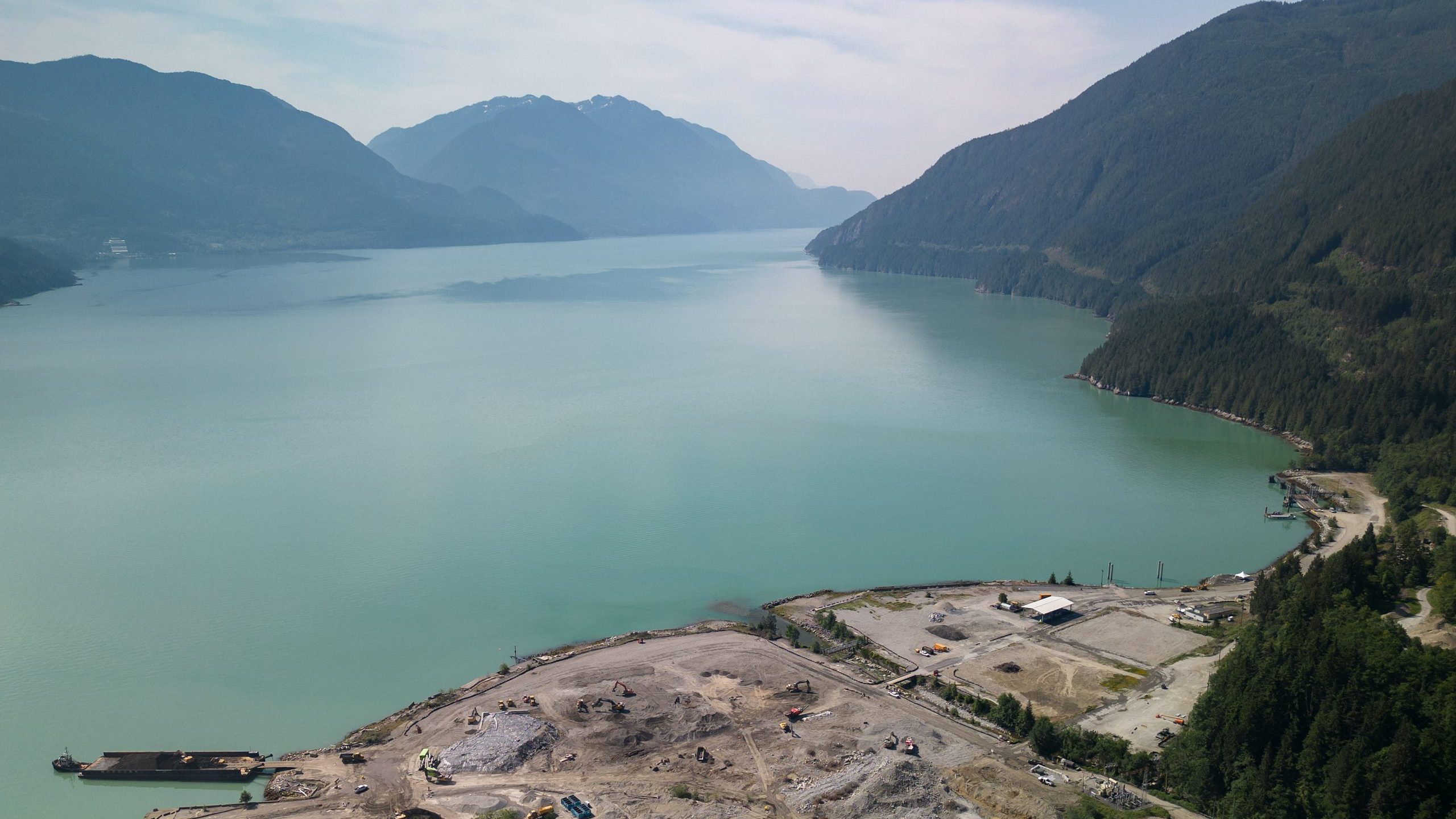
This week, Woodfibre announced that BP Gas Marketing will purchase 1.95 million tonnes of the project’s 2.1 million tonne per year LNG capacity, and the remaining 0.15 million tonnes per year “on a flexible basis.”
It’s the third agreement with BP in four years, with the global gas marketer signing on as Woodfibre’s foundational customer at 0.75 million tonnes per year in June 2019.
By using renewable hydroelectricity for power, Woodfibre was originally designed to have among the world’s lowest emissions for LNG production, at 0.04 tonnes of CO2 per tonne of LNG produced – compared to the global average of 0.35.
Earlier this year, the project announced further emissions reductions with its plan to achieve net zero from the start of operations. During construction, the project has secured emissions offsets through credits with the Cheakamus Community Forest and the BigCoast Forest Climate Initiative.
The first of Woodfibre’s construction modules – the largest of which will weigh about 11,000 tonnes, or a little heavier than the Eiffel Tower – is expected to ship next summer.
The units are being constructed at Qingdao McDermott Wuchuan (QMW) steelyards, an initiative between China State Shipbuilding Corporation and McDermott, Woodfibre’s main contractor.
At Squamish, workers on the project will have housing in a former cruise ship – a “floatel” – with about 600 beds. That facility will include a kitchen and some recreational areas.



Previous work on the site included deconstruction of a pulp mill which closed in 2006 after operating for about 100 years. Since the project was launched, Woodfibre LNG has received three environmental approvals: from the B.C. and Canadian governments, and from the Squamish Nation.
The site is a historic village used by the Squamish Nation for seasonal fishing, known by its traditional name of Swiy̓át.
Kennedy said the company is extremely proud of its relationship with the First Nation.
“The Squamish Nation was first to go through a full consent -based process on a project like this resulting in issuing their own environmental assessment agreement and they are a regulator on the project. That’s the first time that’s happened where a Nation is a regulator outside of the Treaty process.”
Officials say Woodfibre LNG will create over 100 long-term jobs based in Squamish and will contribute over $80 million per year in taxes to government. Kennedy said there will be 800 people working at peak construction on the project.
FortisBC says construction has started on the Eagle Mountain – Woodfibre Gas Pipeline project, expanding a portion of its existing natural gas transmission system, which was built in 1991 to serve Squamish, the Sunshine Coast and Vancouver Island.
Eagle Mountain involves adding 50 kilometres of new gas pipeline between Coquitlam and Squamish. This includes 47 kilometres of new 24-inch gas pipeline from north of Coquitlam to the Woodfibre LNG site, and an additional three kilometres of pipe near Westwood Plateau in north Coquitlam.
A key component of the project is the construction of a 9-kilometre tunnel under the Squamish Estuary to limit environmental impacts.
Woodfibre LNG targets first exports in 2027.
Share This:



















