CDN NEWS |
  US NEWS









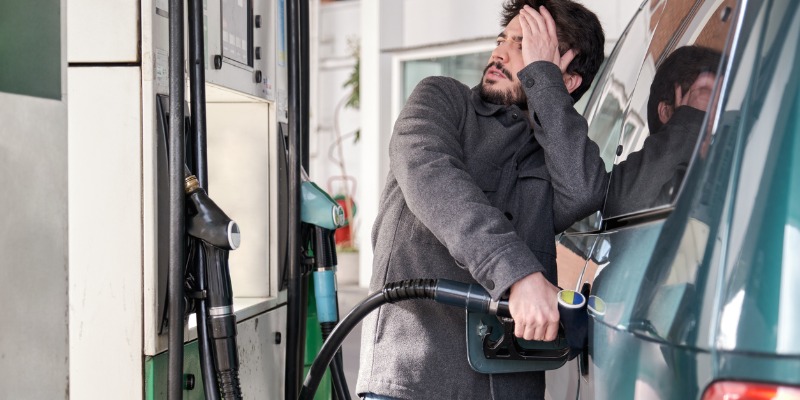
This summer, thanks to the Trudeau government’s new Clean Fuel Regulations (CFR), Canadians already struggling with the high cost of gasoline, groceries and other essentials will see the cost of living rise even higher.
The CFR, which went into effect July 1, forces fuel producers and importers to gradually reduce the carbon content of the fuels they sell. By 2030, the “carbon intensity” of these fuels, which measures the emissions generated per unit of energy, must be 15 per cent below 2016 levels. If fuel suppliers fail to meet these standards, they must purchase credits, increasing costs that will inevitably be passed on to Canadians who rely on gasoline or diesel.
According to a recent analysis by the Parliamentary Budget Officer (PBO), when fully implemented in 2030, these regulations will increase the cost of gasoline by up to 17 cents per litre and diesel fuel by up to 16 cents per litre. And that’s on top of the 37 cents the carbon tax will add to a litre of gasoline by 2030.
California and British Columbia have adopted similar regulations, contributing to high gas prices. Since the introduction of California’s clean fuel standards, the gap between the average gas price in the United States and the average price in California has steadily increased, with Californians now paying the highest gas prices in the country.
And crucially, as the cost of gasoline and diesel rise, the overall cost of goods and services follows because nearly everything we consume must be transported at some point. According to the PBO analysis, Ottawa’s CFR will increase costs for the average Canadian household by up to $573 and disproportionately impact lower-income earners, as a larger portion of their income is allocated to energy and other goods impacted by price increases. The PBO estimates that the poorest households will face an additional $231 in expenses.
Put simply, the higher energy costs resulting from these new regulations will have the most significant impact on low-income families who are more susceptible to energy cost fluctuations and less able to afford alternatives such as electric vehicles.
Furthermore, the CFR’s effects are not evenly distributed across Canada. The PBO estimates that households in Saskatchewan, Alberta, and Newfoundland and Labrador will bear relatively higher costs due to their fuel-intensive economies. For example, the CFR will cost the average household in Saskatchewan $1,117 annually compared to only $436 in Quebec.

Finally, it’s worth noting that Canada already has a carbon tax, set to reach $170 per tonne of CO2-equivalent by 2030. There’s general agreement that a carbon tax is the most efficient (i.e. least costly) way to reduce greenhouse gas emissions, as it relies on market forces and decentralized decision-making by entrepreneurs, investors, businessowners and consumers. But imposing new fuel regulations on top of the existing carbon tax undermines the intended cost-effectiveness of the tax, needlessly burdening the economy.
The CFR will impose significant costs on Canadians, particularly low-income earners, at a time when they’re already struggling with high living expenses. The Trudeau government should reevaluate its approach to climate policy and consider the profound impact on Canadian families and businesses.
Authors:
Junior Policy Analyst
Director, Natural Resource Studies, Fraser Institute
Share This: