


 CDN NEWS |
  US NEWS







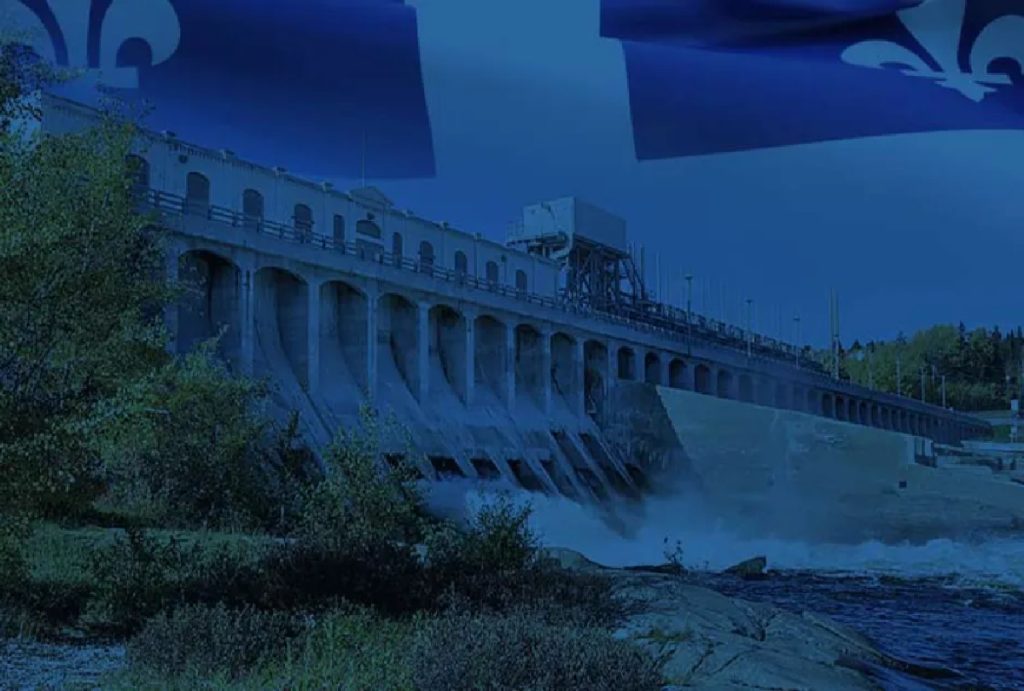



How Hydroelectricity Prices in Quebec Dominate Canada’s Equalization Formula
- This bulletin examines how Canada’s Equalization program affects provincial incentives surrounding hydroelectricity pricing.
- The analysis focuses on Quebec, where large equalization entitlements combined with abundant hydro resources mean retail electricity prices materially influence the distribution of equalization payments across provinces.
- The program creates strong incentives to maintain low electricity prices. Quebec currently has the lowest prices in Canada, and approximately 70% of additional revenue from a one- or two-cent per kilowatt-hour (kWh) price increase would be offset by reduced equalization
- payments. For three- or four-cent increases, the “clawback” rate remains 46–47%.
- Under current program rules, a four-cent increase in Quebec electricity prices would increase equalization payments to other recipient provinces by about $3.65 billion. Rather than reduce total program costs, the overall size of the program would remain unchanged.
- This occurs because the formula requires equalization payments to continue growing over time, even when fiscal capacity gaps shrink. As a result, changes in Quebec’s revenues redistribute payments among recipient provinces instead of lowering total expenditures.
- If this continuous-growth feature were removed, a four-cent increase in Quebec electricity prices would reduce the total equalization envelope by roughly $3.9 billion, lowering costs for federal taxpayers.
Share This:





















COMMENTARY: Varcoe: ‘Do No Harm’: Should Alberta Step in to Fix Gas System Constraints, Given Past Energy Interventions?