CDN NEWS |
  US NEWS









Dr Anthony Ciccone explains why nuclear energy is the ultimate micro solution for Arctic infrastructure and remote communities
By Ian Biana
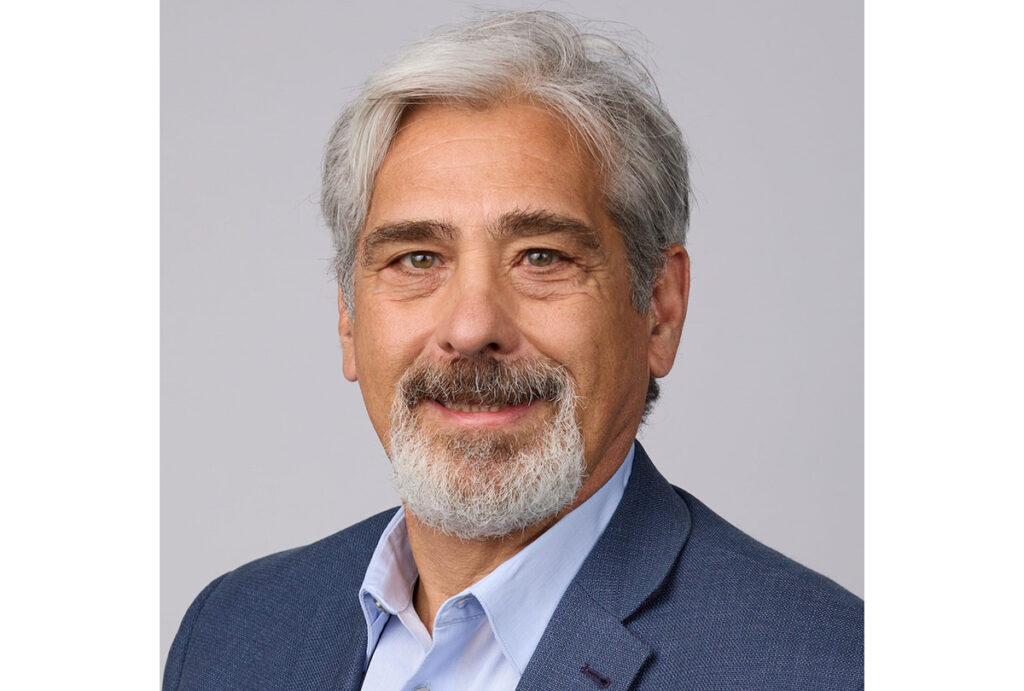
Anthony Ciccone, Senior Vice President, Global Nuclear Sector at WSP
By Resource Works
More News and Views From Resource Works Here
In the energy sector, there is a recurring fascination with the “places the grid forgot.” While the Golden Horseshoe of Ontario hums with the reliable heartbeat of a massive nuclear and hydro infrastructure, the Canadian North remains an energy frontier. It is a region where the flip of a light switch isn’t an act of faith, but a logistical triumph over a harsh environment.
According to Dr. Anthony Ciccone, senior vice-president of the global nuclear sector at WSP, the conversation about how we power these remote reaches is shifting. Speaking on the Power Struggle podcast with host Stewart Muir, Ciccone detailed a future where nuclear energy isn’t just an urban powerhouse, but a micro-solution for the Arctic.
A complementary chorus, not a competition
Energy policy often pits renewables against nuclear energy as if they are gladiators in a zero-sum arena. Ciccone argues this is a fundamental misunderstanding of the physics required to settle the North. In an environment defined by six-month nights and unpredictable gales, the “green energy highway” requires a solid foundation.
“Renewables and nuclear are really complementary,” Ciccone noted. While solar and wind are excellent for reducing the total volume of carbon-intense fuels consumed, they lack the consistency needed for critical infrastructure. In the Arctic, “the sun doesn’t shine and the wind doesn’t blow all three opportune times.” Nuclear, conversely, provides the “backbone of baseload power” that allows a hybrid system to function without the constant threat of a blackout.
The triple use strategy
One of the most compelling arguments for northern nuclear deployment is the concept of “triple use”—a term discussed by Ciccone and former chief of the defence staff, Gen. Wayne Eyre. This strategy posits that energy infrastructure in the North must simultaneously serve three masters: the military, industry, and the local community.
For the military, the need is 24/7 secure power for radar and sovereignty operations. For industry—specifically mining—the need is the high-grade heat and electricity required to extract resources. For Indigenous communities, the need is reliable warmth and light.
Small modular reactors (SMRs) are uniquely suited for this. Because they generate both electricity and significant thermal energy, a single unit can power a mine while providing “district heating” to a nearby town. This makes economic investment “stickier.” As Ciccone pointed out, the 15-year timeline to permit a new mine aligns almost perfectly with the permitting of a new reactor.

Engineering for an arid Arctic
The traditional image of a nuclear plant involves a massive facility perched next to a Great Lake for cooling. However, much of the Arctic is effectively a desert. To solve this, the industry is pivoting toward Advanced modular reactors (AMRs) that break the dependency on water.
These new designs use alternative media for cooling, such as helium, molten salt, or molten lead. “Not all shoes fit the same foot,” Ciccone observed, explaining that these “water-free” reactors are being designed specifically for arid or extremely cold environments where traditional steam-cycle cooling is impractical.
The waste paradox
Public hesitation regarding nuclear often centers on waste, yet Ciccone suggests the reality is far more manageable than the perception. He noted that the total waste generated by a single person’s energy needs over an entire lifetime would amount to “about a couple of buckets.”
More importantly, the industry is moving toward a circular economy model. Some advanced reactors are being designed to use “spent” fuel rods from older CANDU reactors as a fresh energy source. “It’s almost like energy from waste,” Ciccone said. By “recycling” these rods through AMRs, Canada could potentially extract more power while significantly reducing the long-term radioactive footprint.
A quiet Canadian success story
Canada currently holds a significant global edge in nuclear operations. While other G7 nations have struggled with new builds, Canada has excelled in “refurbishment”—extending the life of existing reactors to 90 years. At Darlington, Ontario is currently constructing the first G7 SMR, a 300-megawatt facility that should be operational by 2030.
The challenge now is human capital. Ciccone warned that for years, nuclear power wasn’t “in vogue,” leading to a talent gap. “The supply chain is decaying at a faster rate than the nuclear reactors,” he joked, noting that many of the current “brain trust” are nearing retirement.
To maintain sovereignty and energy sustainability, Canada must motivate a new generation of engineers and tradespeople. The goal, according to Ciccone, is to move beyond the immediate horizon and think in terms of generations. In the high North, where diesel remains the expensive and dirty status quo, the arrival of SMRs isn’t just an engineering milestone—it’s a prerequisite for the future of the nation.
As the industry likes to say: “Nuclear is cool.” And in the Canadian Arctic, that might be exactly what is needed to keep the lights on.
Watch the video on Power Struggle
- Power Struggle audio and transcript
- Power Struggle website
- Anthony Ciccone on LinkedIn
- Stewart Muir on LinkedIn
- Stewart Muir on X
Power Struggle on social media:
- Power Struggle on LinkedIn
- Power Struggle on Instagram
- Power Struggle on Facebook
- Power Struggle on X
Ian Biana writes for the Resource Works Accelerate team and can be reached at [email protected].
Share This: