CDN NEWS |
  US NEWS







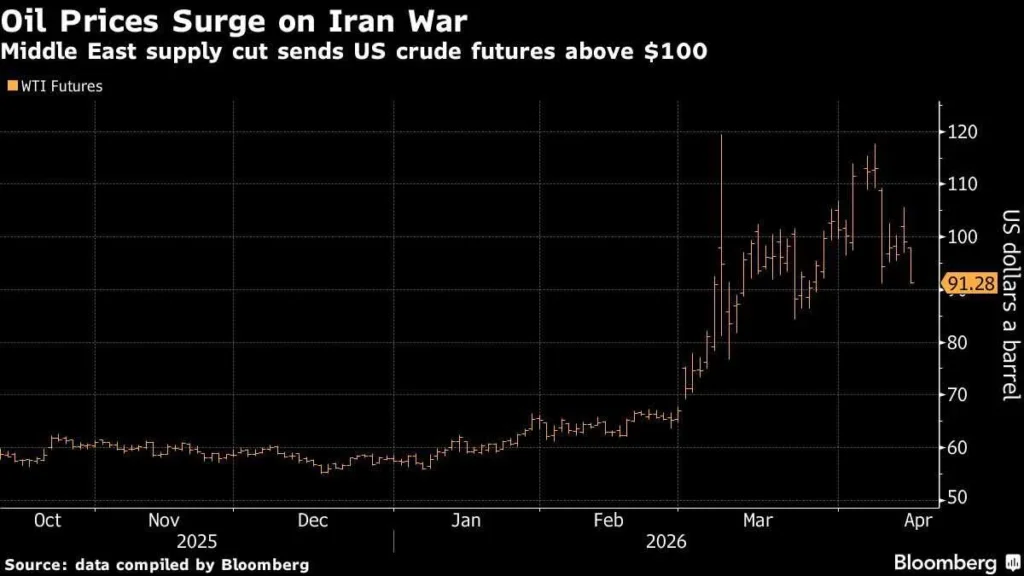
Oil futures have surged as high as nearly US$120 a barrel from about US$65
By Robert Tuttle
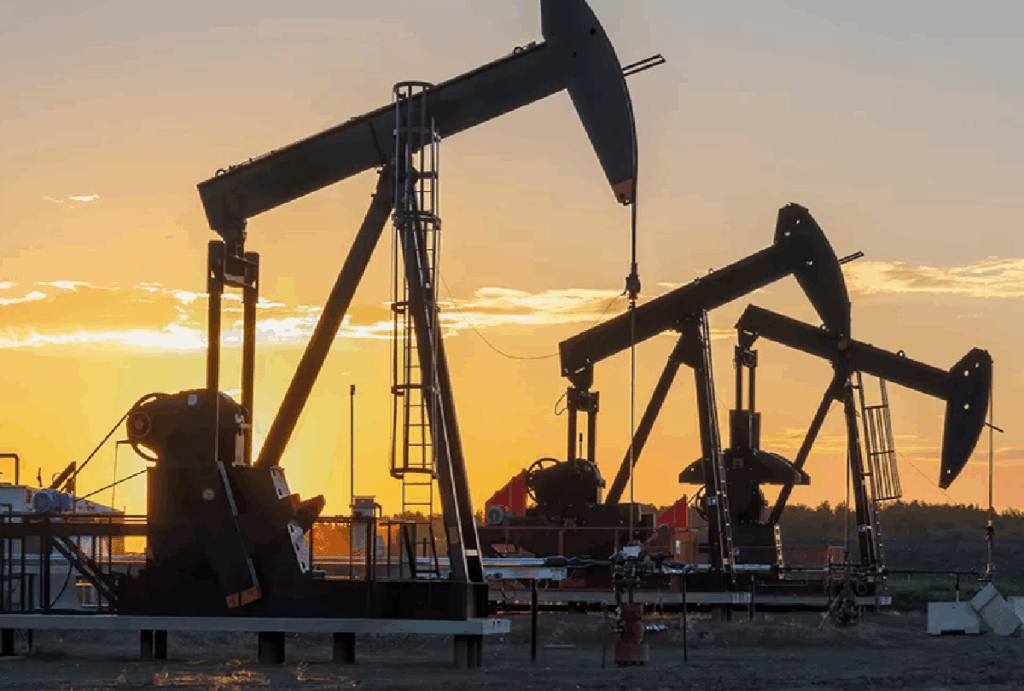
Canadian oil and gas drillers say they are shoring up their balance sheets or boosting payments to shareholders rather than raising output in response to a surge in prices caused by the war in Iran.
Alberta oil sands giant Cenovus Energy Inc. will accelerate the repayment of debt acquired from its acquisition of MEG Energy Corp. last year, chief executive Jonathan McKenzie said at the BMO CAPP Energy Symposium in Toronto. Birchcliff Energy Ltd. expects as much as $80 million of extra cash flow this year from the 20 per cent of its production that’s oil and also will use that money to pay down debt, chief executive Christopher Carlsen said.
Oil futures have surged as high as nearly US$120 a barrel from about US$65, and now sit just under US$100. That has been a windfall for Alberta producers who weathered low prices and pipeline bottlenecks over the past decade, prompting a more disciplined approach to capital expenditure. At the same time, shareholders have grown accustomed to quicker payouts, so production growth has been more incremental and through expansion projects at existing facilities.
The fallout from the war for Canadian producers “means better balance sheets. So there will be cash that goes on to balance sheets in the form of debt reductions,” said Randy Ollenberger, head of oil and gas research at BMO Capital Markets. He added that this was “a positive in both the short term and long term” for value.



Tourmaline Oil Corp., Canada’s biggest natural gas producer, is benefiting from higher cash flows thanks to its liquefied natural gas exports off the U.S. Gulf Coast, said Jamie Heard, vice president of capital markets. But production will actually be down in the first half of the year due to depressed natural gas prices in Canada after a warm winter on the North American West Coast.
“Tourmaline’s stance right now won’t be to increase capital activity,” he said. “We’ll take in these higher cash flows and likely distribute them back to shareholders.”
Tamarack Valley Energy Ltd., a conventional heavy oil producer drilling into Alberta’s Clearwater formation, has capacity accelerate drilling somewhat, chief executive Brian Schmidt said in an interview.
“What we’re doing right now is we’ve kind of switched our capital allocation, and so we’ll put a little bit more into drilling primary wells and getting production on because of the quick payouts,” he said, adding that most of the windfall will go to shareholders. “Our cash flow will increase a fair bit. And what would happen with the math is most of that would end up in share buybacks.”
Canada is the world’s fourth-largest oil producer, pumping more than 5 million barrels a day. It’s also the fifth-largest gas producer, but has just one liquefied natural gas export facility that began operation on the British Columbia coast last year.
Bloomberg.com
Share This: