


 CDN NEWS |
  US NEWS







By Alex Whalen
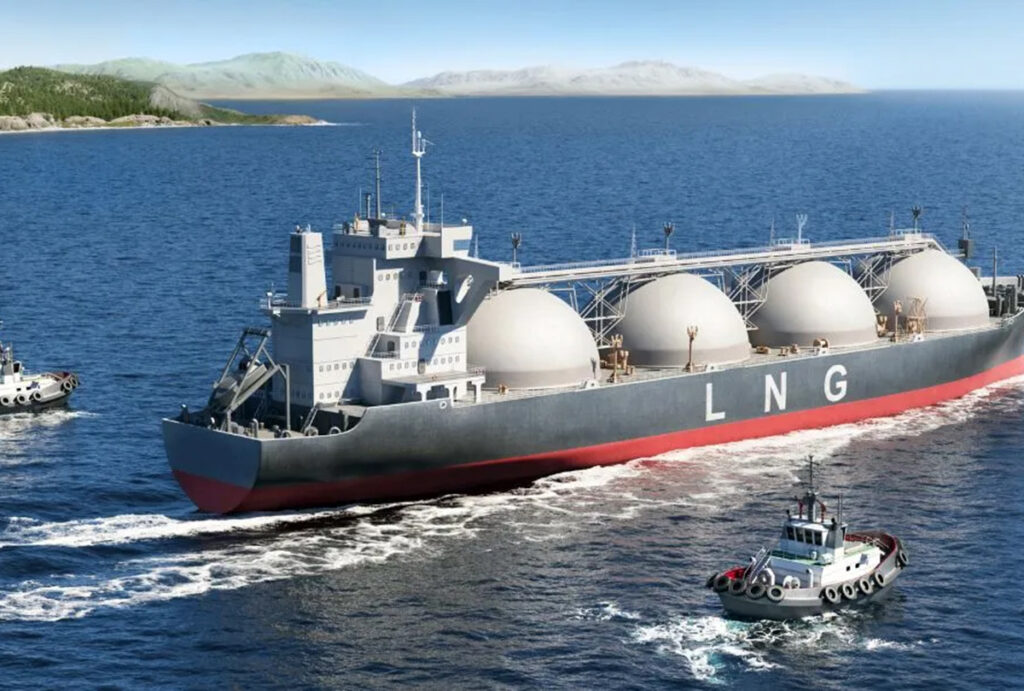
According to the latest data from the federal government, natural gas accounts for 13 per cent of energy consumption in Atlantic Canada. But despite Canada’s status as an oil and gas superpower, Atlantic Canadians recently have been heating their homes and running their factories with natural gas from Australia.
The Australian gas recently arrived at Saint John’s Repsol LNG terminal, a facility that can receive shipments of liquified natural gas (LNG) from tankers, process the product and feed it into pipelines serving the region and beyond. The region sources gas from Australia and other countries during times of peak demand because Atlantic Canada currently produces little gas of its own, and its options for imports from within Canada are limited. As a result, Atlantic Canadians face some of the highest prices in the world for gas during the winter.
Atlantic Canadians also spend more on energy (as a share of their income) than Canadians in any other part of Canada, with nearly one in four households in “energy poverty”—that is, they spend at least 10 per cent of their total household expenditures on energy .
The good news? Atlantic Canada has lots of natural gas, representing a massive opportunity to reduce energy costs and spur the economy. Consider the Sable Island gas project off Nova Scotia’s eastern shore, which was the largest natural gas project undertaken in Atlantic Canada to-date. Sable provided Nova Scotia with gas for consumption and export between 1999 and 2018. The project produced 2.1 TCF of gas, a small fraction of the total opportunity described above, yet resulted in $2.9 billion in investment in Nova Scotia, more than $2 billion in royalties paid to the provincial government, and 1,000 well-paying jobs.



Today, New Brunswick and Nova Scotia are home to at least 84.3 trillion cubic feet (TCF) of natural gas reserves, with a further 8.1 to 11.3 TCF available in Newfoundland and Labrador.
According to recent estimates, the value of the region’s gas reserves, if fully recovered, could be in the hundreds of billions of dollars. For context, the size of the entire Atlantic Canadian economy was $118.6 billion in 2024 (as measured by gross domestic product). The region’s energy users consume approximately 50 billion cubic feet of gas per year, meaning the region’s available reserves could supply households and factories for many decades, if not more.
There are few game-changing economic opportunities that exist for our region that match the scale of natural gas. Why does this opportunity remain largely untapped?
For starters, the governments of New Brunswick and Nova Scotia banned hydraulic fracturing (or fracking), a process used to recover natural gas, despite extensive research that shows fracking can be done safely. While the Nova Scotia government recently reversed its fracking ban, and the premier has signalled interest in offshore oil and gas development, the New Brunswick government has not lifted its fracking ban but is pushing for a pipeline expansion that would bring gas from Quebec. More broadly, investors routinely report frustration with red tape in the region’s oil and gas sector, pointing to environmental regulation, the permitting process, and lengthy project approval timelines.
To provide cheaper abundant energy for Atlantic Canadian families—while providing much-needed jobs, investment and economic activity—regional governments should prioritize the regulatory changes needed to unlock our massive natural gas potential.
Share This:






















On The Verge: Energy Sector Primed for New Wave of Growth – ATB Economics