


 CDN NEWS |
  US NEWS







Trade talks with China, pipelines, a CUSMA review and uncertainty with what will happen with Venezuela’s oil industry, could all impact Alberta
• Calgary Herald
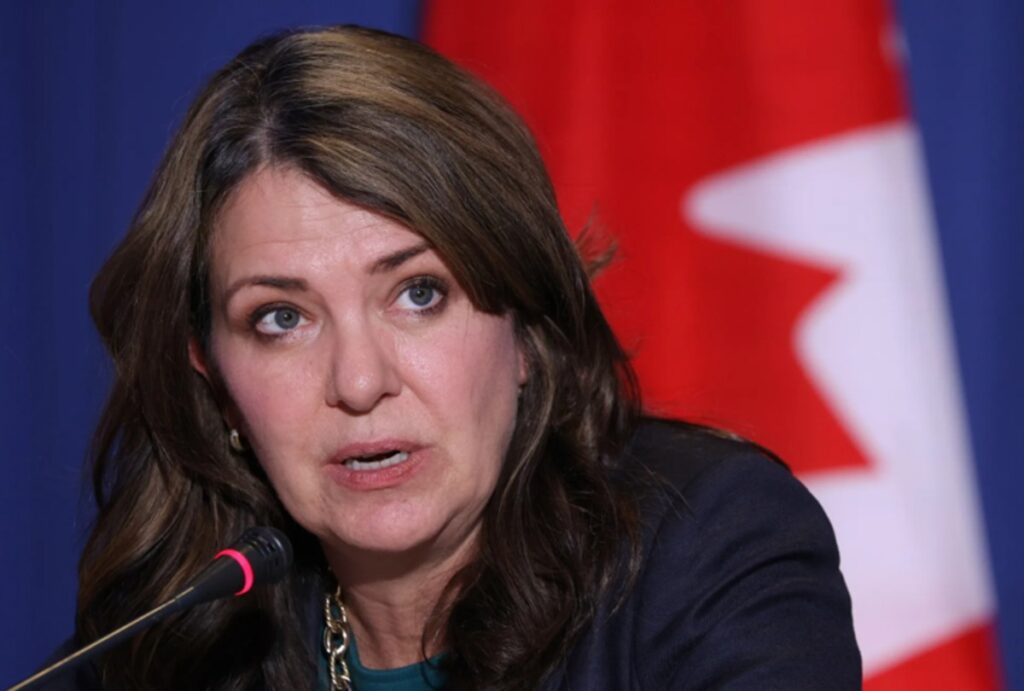
A proposed pipeline to the British Columbia coast. The United States gaining control over Venezuela’s oil sector. Canada’s trade talks with China. A review of the continental free-trade agreement.
Any one of these issues could come up during a meeting between Prime Minister Mark Carney and provincial premiers next Thursday in Ottawa.
During an hour-long discussion at the Calgary Petroleum Club on Tuesday, Premier Danielle Smith addressed many of these matters. And just a few weeks into 2026, it’s shaping up to be “another roller-coaster of a year,” Smith told more than 300 people at an EnergyNow Insights event titled, Beyond the Pipeline MOU.
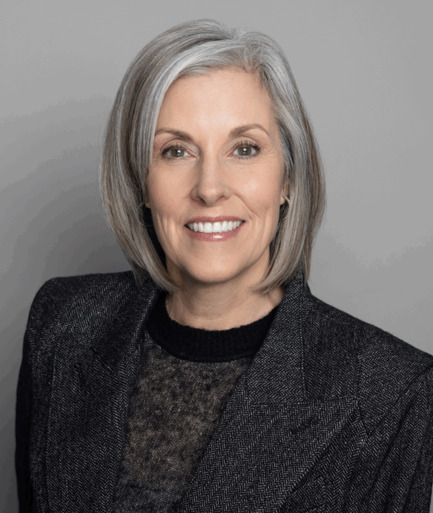
In a fireside chat with Tracey Bodnarchuk, CEO of Canada Powered by Women, Alberta’s premier fielded an array of questions about the recent energy pact with the Carney government, which includes provincial plans for a bitumen pipeline to the Pacific Coast.
Despite opposition from B.C. Premier David Eby, Smith believes the proposal is possible, saying Alberta’s pitch is headed to the federal government’s Major Projects Office in June so it can be reviewed and designated a development of national significance.
“We hope to get a decision by the end of this year, and then the clock starts ticking,” Smith said.
“There’s probably a two-year time frame, figuring out the route and figuring out the ownership structure, and then, maybe, by early 2030s, we’ll be looking at doing some construction.”
Polls show most Canadians support such a project, although there is opposition, including from Eby — who has characterized the project as a “fantasy bitumen pipeline” — and from some coastal First Nations in B.C.
Eby rejects any oil pipeline to the northern B.C. coast that would override the existing federal oil tanker moratorium. Instead, he’s recently mused about building an oil refinery in Canada, and has supported optimizing the Trans Mountain pipeline system.
Smith reiterated her view that a new pipeline that transports Alberta oil to the Port of Prince Rupert for export would be the safest route.
“We’re trying to find a couple of end points where we might have the social acceptability, as well as address some of the safety issues and navigate that from some of the geography issues,” the premier said.
Alberta is conducting early planning, examining possible routes for the project, which doesn’t have a private-sector backer.
And what about Eby’s idea of advancing a refinery, instead?
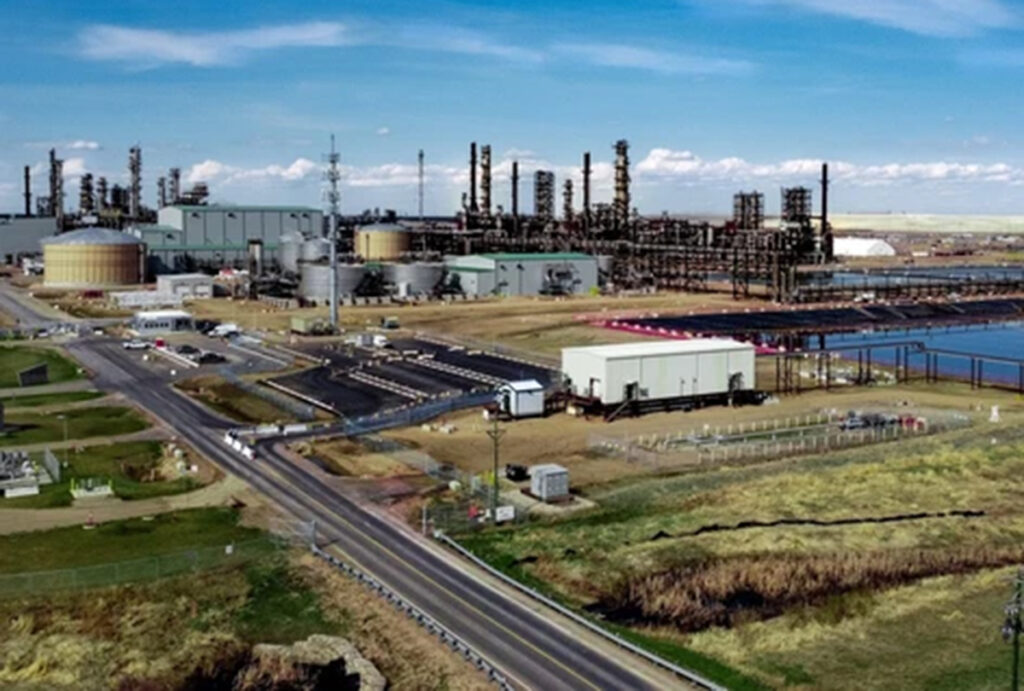
Smith pointed to Alberta’s backing of the Sturgeon Refinery last decade, which saw cost overruns and increased provincial financial exposure.
Yet, there are energy issues the two western provinces agree on.



B.C.’s NDP government is in favour of increasing the capacity of the Trans Mountain system and supports LNG projects being built on the Pacific Coast, the premier said.
“I try not to fight publicly with Premier Eby. We actually have a pretty good relationship when we go into our first ministers’ meetings,” she said.
“If we can make the argument and we can address the issues that are being put on the table, then I think that we can get to a yes.”
Canada needs to find more international markets for its energy but it won’t be easy, cautioned Richard Masson, an executive fellow with the University of Calgary’s School of Public Policy.
He doubts Eby would get on board for a pipeline route from Alberta to Prince Rupert, although he might back a line to Roberts Bank on the lower B.C. Mainland.
“I have, for quite some time, been of the view that there is no pipeline coming,” Masson said.
Much of the industry attention so far this year has been on geopolitical issues, from the effect of the U.S. controlling the Venezuelan oil industry, to the upcoming Canada-United States-Mexico Agreement (CUSMA) review this year.
Carney’s trade agreement with China last week — relieving some tariffs on Canadian canola products — and the prime minister’s speech to the World Economic Forum in Davos on Tuesday, have rankled the U.S. administration.

On Friday, that was underscored by U.S. Treasury Secretary Scott Bessent, who told Real America’s Voice that Alberta has plenty of resources, “but they won’t let them build a pipeline to the Pacific. I think we should let them come down into the U.S., and Alberta is a natural partner for the U.S.”
In her fireside chat earlier this week, Smith — who indicated she will meet with the U.S. Ambassador to Canada, Pete Hoekstra, next week — was also asked about China investing in energy infrastructure.
As China is likely to be a consumer of Canadian energy products, having it own a minority stake in such infrastructure would be fine, Smith said.
As a middle power, Canada had rocky relations in previous years with countries such as China and India, and, more recently, with U.S. President Donald Trump.
Canada removed its digital services tax in June to help advance trade negotiations with the U.S, “and got nothing” from it, the premier said.
“They’ve identified issues that are pressure points, we’ve responded to it, and it’s not resulting in a breakthrough,” Smith added. “I can understand why this prime minister is saying, ‘OK, well, being acquiescent is not working, so maybe we have to take them seriously and we’ve got to go find other trade partners.’ “
After the event, Bodnarchuk said she was struck by the shift in the broader energy conversation that is happening across Canada, and views toward more development.
“There are things that affect us from a geopolitical lens, on a global stage, and then there are things that affect us from a domestic lens,” she said.
“We need to focus on the things that we have within our control, to move things forward.”
Chris Varcoe is a Calgary Herald columnist.
Share This:






















COMMENTARY: Newfoundland Government Should Use Hydroelectric Deal to Help Repair its Finances