


 CDN NEWS |
  US NEWS









The people, places and pressure points shaping B.C.’s energy future
By Ian Biana
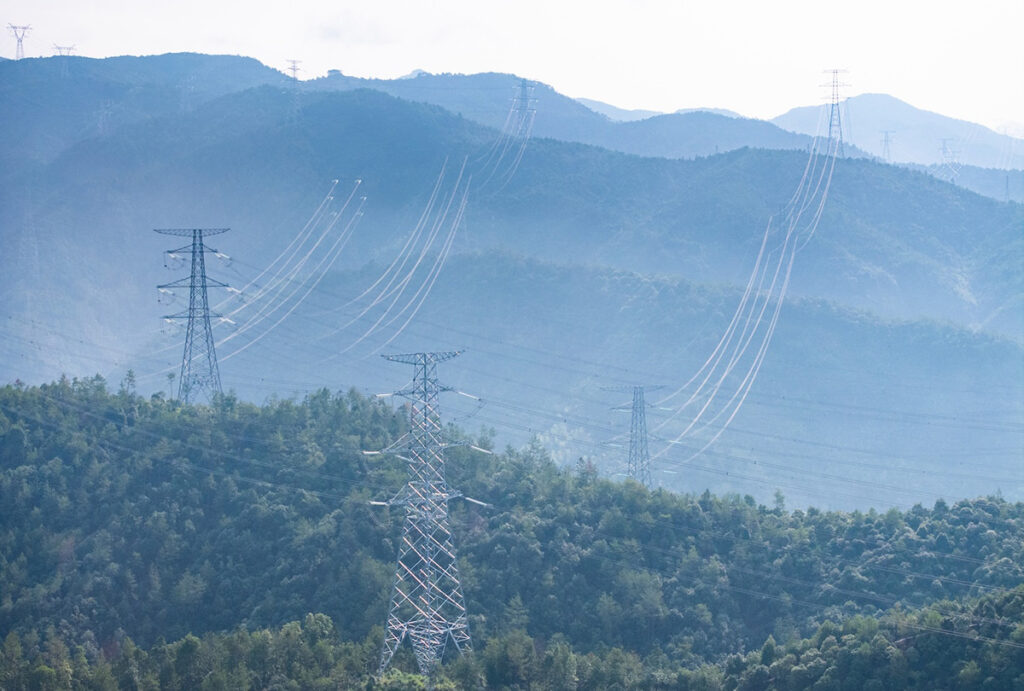
Transmission lines on mountain
By Resource Works
More News and Views From Resource Works Here
Energy debates are often framed in abstractions – targets, percentages, timelines. But in 2026, British Columbia’s energy story will be visible, physical, and unavoidable.
These are the five energy realities you will see on the ground this year – not in spreadsheets, but in communities, worksites, and public life.
1. Transmission lines, substations and the hard limits of the grid
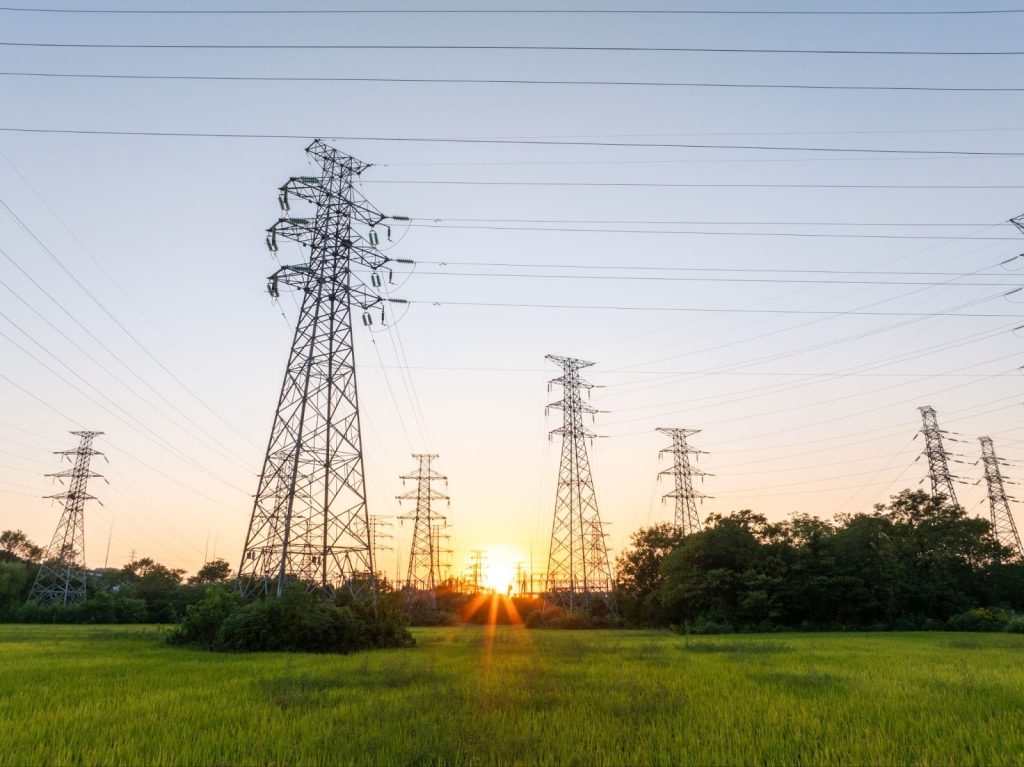
For decades, B.C. assumed electricity would always be there when needed. In 2026, the grid itself becomes the headline.
Expect to see:
- New and expanded BC Hydro substations
- Transmission corridors under construction or expansion
- Community pushback around rights-of-way and delays
Every electric vehicle (EV) mandate, heat-pump rule, and industrial approval eventually runs into steel towers, transformers, and permitting timelines. The grid is no longer invisible – it is the constraint – and that’s a huge challenge for BC Hydro’s leadership including its chair, Glen Clark.
2. Industrial projects caught between climate ambition and electrical reality
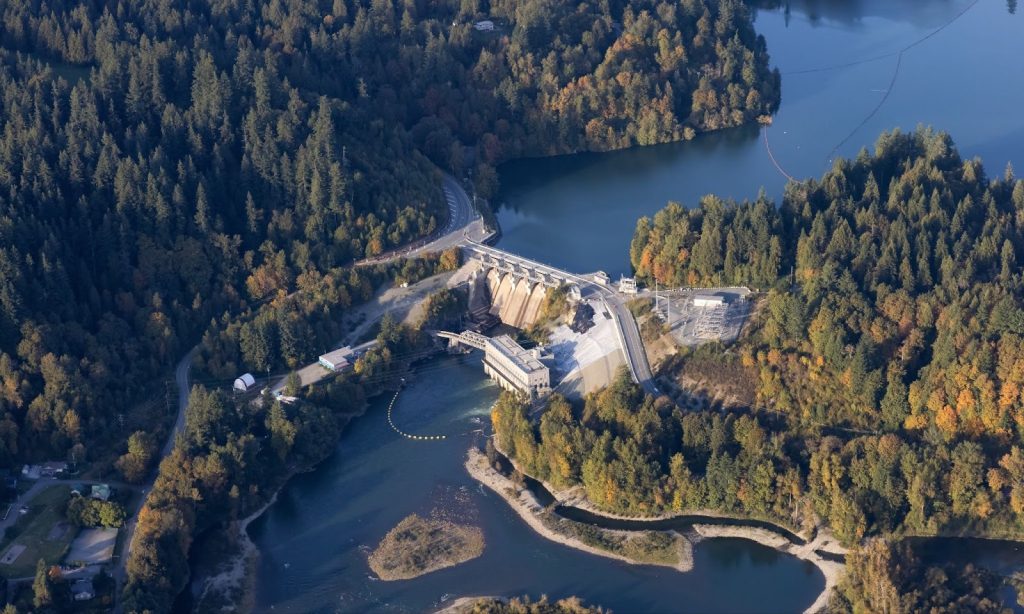
Some of the projects with the largest global climate benefits are also the most exposed to local energy constraints.
In 2026, you will see:
- Large industrial facilities waiting on power
- A perfectly good natural gas generation plant marked for shutdown
- Electrified equipment installed before capacity is secured
- Projects redesigned, delayed, or quietly downsized
These images tell a harder story: decarbonization does not fail because of lack of intent, but because systems are not yet built to carry the load.
3. New housing delayed when electrification meets affordability

You cannot build affordable housing with unaffordable or unavailable energy – and in 2026, that reality becomes visible.

Look for:
- Mid-rise housing sites waiting on electrical upgrades
- Heat-pump installations alongside rising construction costs
- Municipalities reviewing heat pump targets as they realize you can’t step-change physics
- Developers navigating utility delays
This is where energy policy collides with housing policy – not in theory, but in concrete, wiring, and missed deadlines.
4. Winter stress and northern communities on the edge of reliability
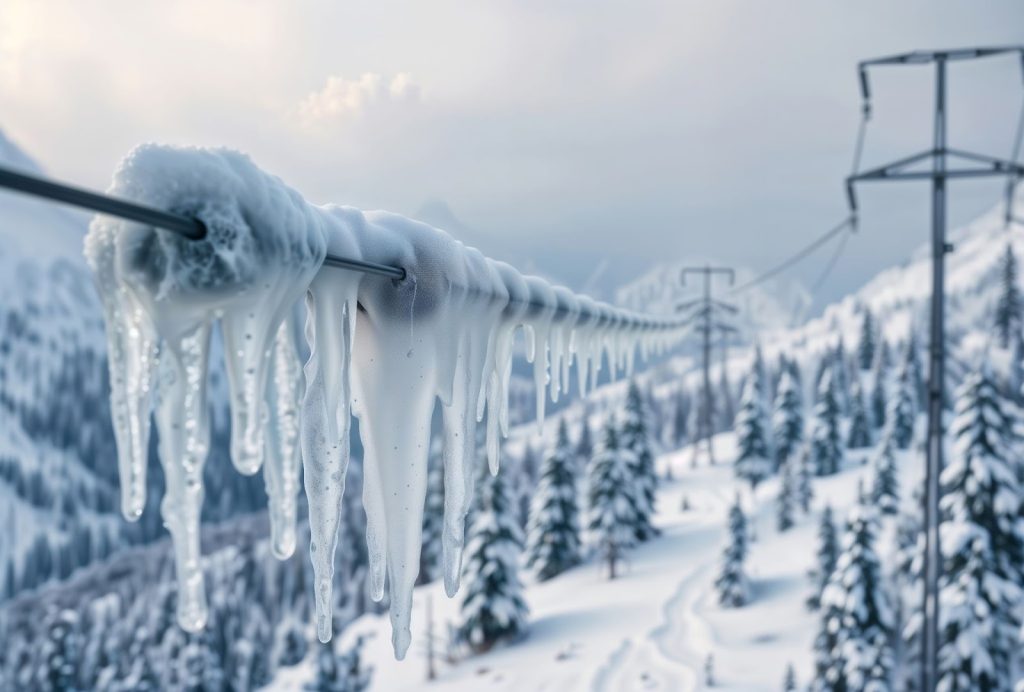
Nothing clarifies energy priorities like extreme cold.
In 2026, there’s a good chance that warning signs will be unmistakable:
- Energy systems maxed out if there’s a big cold snap
- Utility crews working in severe conditions
- Northern communities managing thin reliability margins
Recent events in the Yukon and the January 2024 cold-weather crisis across western North America made one thing clear: when electricity systems fail under stress, lives and safety are at stake.
This is what asymmetric risk looks like in real life.
5. The people willing to speak plainly about trade-offs

Energy in 2026 is no longer just infrastructure – it is discourse.
You will see:
- Media interviews and public forums
- Panel discussions on reliability, cost, and realism
- Analysts and leaders stepping into uncomfortable conversations
Through the Energy Futures Institute and in public debate, Barry Penner has been among those pressing for realism, balance, and accountability when it counts – in the media, with policymakers, and with communities living with the consequences of system stress.
That willingness to engage openly is itself part of the energy story.
The unifying theme of 2026: systems over slogans
Across all five of these stories runs a single thread: electricity has become the binding constraint of public ambition. As energy analyst Richard Mason warned in 2025, utilities face “asymmetric risk” – the reality that running short on electricity carries far greater consequences than building too much capacity.
In 2026, British Columbia will not be judged by the ambition of its energy promises, but by whether the physical systems exist to deliver them.
And that is something everyone will be able to see.
Share This:























ENERGYNOW FEATURE: Why Energy Policy Is Becoming a Women’s Issue Across Canada