


 CDN NEWS |
  US NEWS







Author Muhammad Aleem, Project Engineer, Fluor Canada Ltd. and Mark Frisky, Senior Lean Coach, Fluor Canada Ltd.
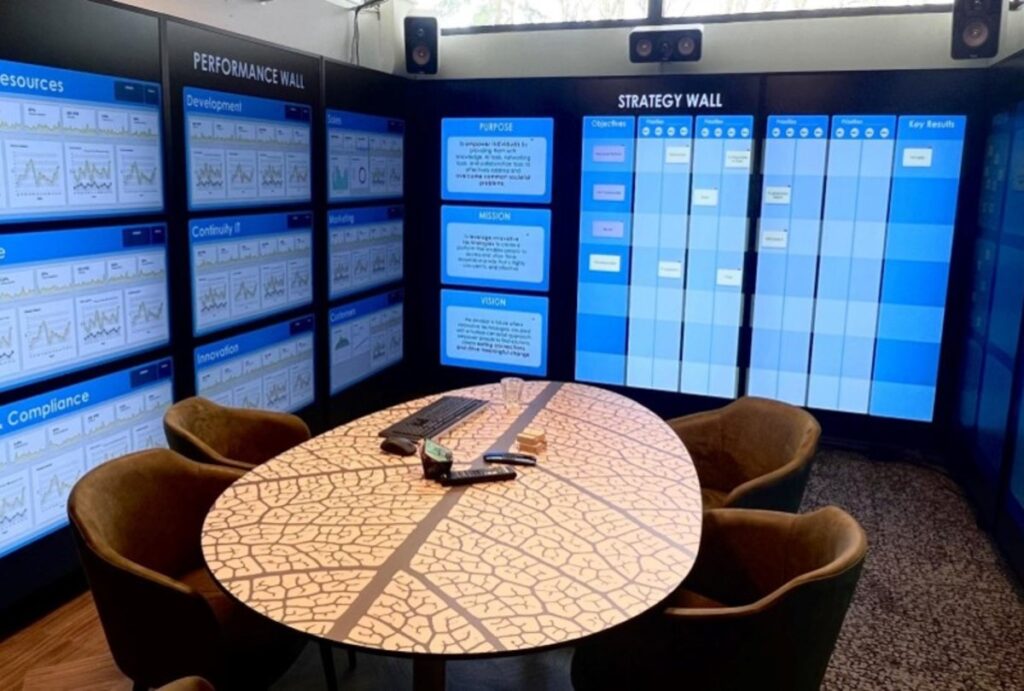
The global landscape of construction projects is evolving with increasing reliance on technology and digital delivery models to support the rise in geographically dispersed project teams. As a leader in executing the world’s most complex and challenging projects, Fluor emphasizes the importance of strategic alignment with stakeholders to ensure project execution supports client objectives through key performance indicators (KPIs). Added complexities due to the increased reliance on technology introduce unique challenges that often lead to information silos and a lack of shared understanding, which could hinder the alignment of project objectives between stakeholders.
Project managers have access to a variety of software tools for project reporting that are designed to meet both internal and client expectations. The fundamental aspect of a project manager’s role is to communicate a consistent message across the execution team, partners, and the client organization to ensure alignment of project goals and objectives. One of the most common challenges is navigating an overwhelming volume of data prohibiting a focus on execution. To address the gap between the current and target state, project managers seek solutions to quickly and effectively resolve issues and ultimately progress work.
Toyota was the first to introduce the concept of Obeya, a visual collaboration system developed during production of the Prius. Obeya translates to “big room” in Japanese and serves as a dynamic, centralized space to foster alignment and rapid problem-solving, enabling real time visual collaboration with a multi-functional team. This system has gained traction in the construction industry, and our clients increasingly recognize its value in driving collaboration and project success. Obeya provides a visual comparison of the current state versus the target state on a project and empowers cross functional team members through its specific visual process components, coined by adaptors as “Knowing as One, Seeing as One and Acting as One”.
The collective team must first “Know as One” to align on the targets that are most important to a project. A shared understanding and commitment to these targets is critical for successful execution. “Seeing as One” involves recognizing the gap between the actual and target state through a known set of visual controls that easily identifies and declares obstacles. “Acting as One” is the collaborative decision-making process that transforms an obstacle into actionable solutions, enabling teams to respond quickly and progress the work.
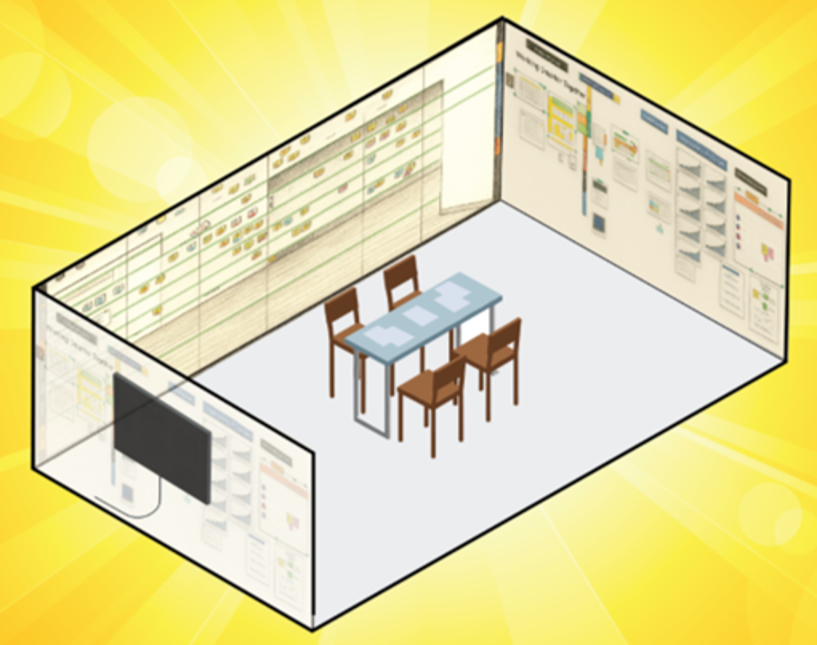



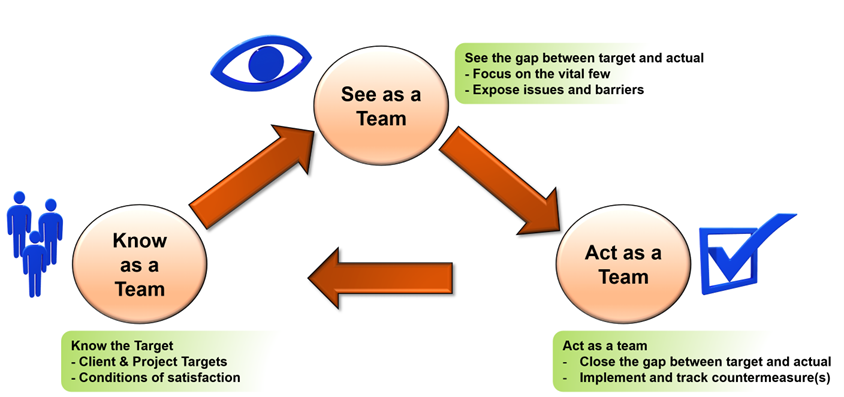
Fig. 1 Visual Management and Control Triangle
The core principles of Obeya are rooted in lean thinking, where a team can visualize shared context, provide structured problem-solving, and provide data-driven decision-making. This strategy helps to break down siloed thinking and fosters a dynamic, collaborative workspace for continuous improvement and learning. An Obeya room is an immersive experience, allowing the team to visualize the project health by looking at the carefully curated information around the room.
The following are practical examples of key visual elements that typically dominate the walls of an Obeya room, each of which can be tailored to a specific project:
- Visual control board organized by key focus areas and often represented through swim lanes using specifically designed Kanban cards.
- Drivers of customer value are defined by conditions of satisfaction, pushing project teams to strive for actual performance to reach target state.
- Issue breakdown and analysis describes the structured process used to deconstruct an obstacle or problem into its material elements to ultimately develop solutions for rapid implementation.
- Performance board displays are critical to display key performance indicators (KPIs) relevant to the project (actual vs target).
The physical space is only half the story – the real value depends on how Obeya is implemented and practiced. Fluor has successfully utilized the Obeya approach on various capital projects which resulted in increased productivity, reduced costs, and enhanced team morale. The success of Obeya lies in its structured cadence of meetings, where experienced Fluor coaches train participants to facilitate future meetings in the same fashion. Coaching helps to develop the mindset of the team towards rapid problem solving and dynamic collaboration while fostering a culture of mutual respect and transparency throughout the project lifecycle.
Obeya stand-up huddles can also be used to further enhance the benefits of the Obeya process. The huddles include short stand-up meetings which provide a clear line of sight and connectivity between key project elements such as objects at risk, important milestones, and vital activities. Team members come prepared to briefly elaborate the visual information on walls with “red dots/indicators”. Red indicators are used to identify deviations from the target state with green dots used to explicitly signal that the deviation is closed. Red indicators can be placed on any visual element in the room depicting where the obstacle resides, in which an issue/obstacle card is then created for the breakdown and analysis area. A clear focus on KPIs – lagging & leading (results and enablers/drivers), is developed by the leadership team to bring focus to the vital few objects and information that is critical for progressing work. The KPIs are not intended to progress operational activities or events, as this is redundant with other project reporting requirements. The primary goal of any Obeya is to progress the work by actively and collaboratively engaging a multi-functional team.
Fluor has successfully implemented several Obeya systems across a wide range of functions including project management, site control towers, business development, technical (engineering) development, construction planning and production. Client engagement is essential in the Obeya process, playing a critical role in shaping and supporting its functions. Clients recognize the value of transparent data, clear constraints, and shared accountability across all team members, and the essential role this plays in building a high performing team. Ultimately, Obeya supports a “One Team” culture rooted in cooperation, collaboration and mutual trust, empowering Fluor to continue building the world’s most complex projects.
References:
- https://leanconstruction.org/lean-topics/big-room/#:~:text=What%20is%20Big%20Room?,considered%20a%20Big%20Room%20approach.
- https://kaizen.com/insights/project-management-obeya-control/
Share This:





















