


 CDN NEWS |
  US NEWS







“They’ve totally redesigned all the equipment around these well sites, so there’s no methane reaching atmosphere anymore.”
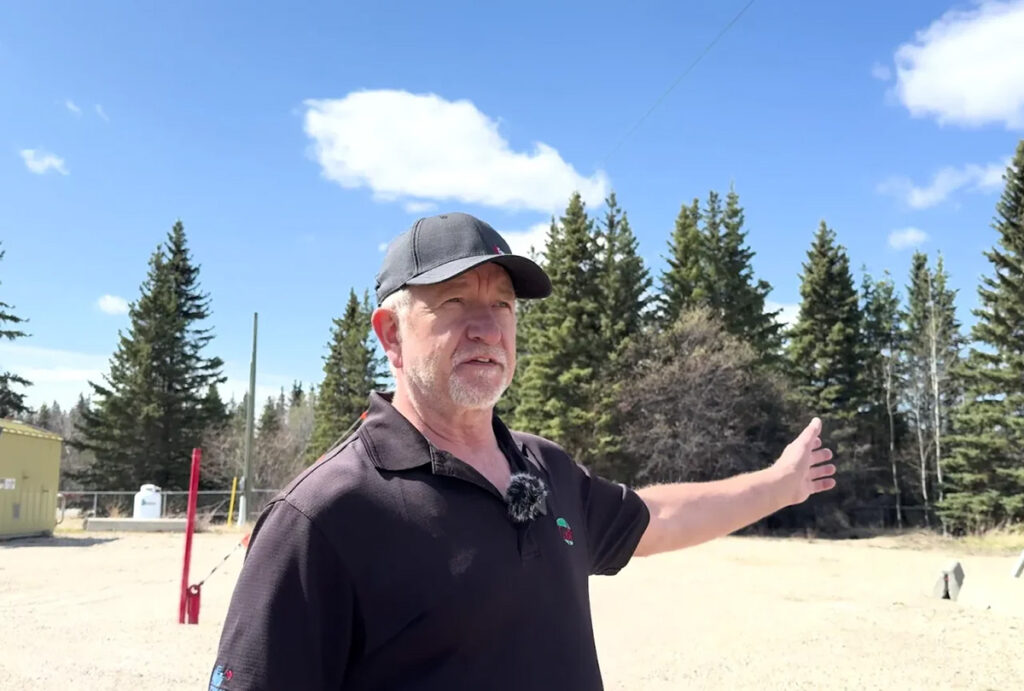
William Sambook, who teaches power engineering at Northern Lights.
By Resource Works
More News and Views From Resource Works Here
A regional training hub
Northern Lights College in Fort St. John is the only campus in its network offering an oil and gas program tailored to small facilities and field operations, alongside power-engineering certification that larger gas plants require.
Students typically start at fourth-class power engineering and can ladder to third, second and first class through Technical Safety BC exams. Many arrive with minimal industry knowledge, so regulatory literacy is built in from day one.
“There’s no waste going somewhere without somebody not tracking it or knowing where it’s going,” says William Sambook, a power engineering instructor at Northern Lights, describing manifests and cradle-to-disposition reporting.
Inside the Montney
Set in the heart of the Montney, an expansive, liquids-rich gas play stretching from Alberta’s Grande Cache through Grande Prairie to Fort Nelson, the program teaches the basin’s geology and why horizontal drilling and hydraulic fracturing are essential. Instead of tapping a “swimming pool,” instructors explain, hydrocarbons are locked in compacted sediments and fine shales, with up to 17 potential production zones in some areas. Multi-stage fracs open pathways and sand holds fractures to let fluids flow back to the wellbore.
Cleaner operations by design
The college emphasizes how modern facilities are engineered to minimise impacts in line with today’s rules.
“So the deal is nothing touches the ground,” Sambrook said, noting that spills trigger immediate cleanup and contaminated soil is processed and reclaimed. Venting and flaring are tightly controlled, with electronic igniters and measured accounting for upset events.


Equipment that once bled gas has been redesigned: “They’ve totally redesigned all the equipment around these well sites, so there’s no methane reaching atmosphere anymore.”
Water, emissions and what “clean” means
Students are taught the two senses of “clean”: end use and production.
On site, sour gas is “sweetened” by amine systems that remove CO₂ and H₂S; dehydrators use glycol to strip water before sales. Produced water is condensed, captured and trucked for reinjection.
Frac jobs are typically thousands of metres deep, away from groundwater, and the sector increasingly recycles produced water and, where available, municipal grey water to reduce freshwater draws, an area where Sambrook more progress is still desirable.
Technology shifts the footprint
From sumps to tanks, from continuous pilots to auto-ignition flare stacks, and from vertical wells to multi-kilometre horizontals, the operational footprint has changed markedly over the past two decades. Tightened rules on reporting, emissions, and flaring have made practices both safer and cleaner, with third-party fugitive-emissions testing now standard.
Opening doors for Indigenous and women learners
Northern Lights College partners directly with local First Nations, five bands in the region—to deliver entry pathways, including a dedicated oil and gas program with Blueberry River First Nations. Women are a consistent presence in power-engineering cohorts, and a dual-credit stream lets Grade 11-12 students earn credentials and move straight into industry. Employment rates are high, often within weeks of program completion.
The payoff
Work is remote and rotational, but starting wages of $28-$32 per hour plus overtime are common, and learning is hands-on and portable, students can maintain equipment at work and at home. “Most of the graduate students are starting off with a gross income of 100,000 a year,” Sambrook said.
In the Montney era, Northern Lights College is training the people who will keep B.C.’s gas plants safe, efficient and compliant, while opening doors to durable, well-paid careers.
Share This:





















INSIGHT: Canada’s Natural Resource Sector is at the Heart of the Government’s ‘Export & Diversification’ Plan