CDN NEWS |
  US NEWS









View More Articles from Sean Speer and The Hub Here
Humans desire certainty. It’s one of the biggest reasons why Donald Trump’s threats and provocations have been so destabilizing for Canadians. our economy and politics are seemingly in the hands of someone who doesn’t know the meaning of impulse control. There’s a sense that we’ve lost agency over our own country’s affairs. Many of us have become desperate to bring order to the Trump-induced chaos of the past several weeks.
That’s clearly been a big part of the election campaign. The Hub’s co-founder Rudyard Griffiths has aptly characterized the nearly 25-point swing in the polls from a commanding Conservative lead to a Liberal one as a “flight to safety.”
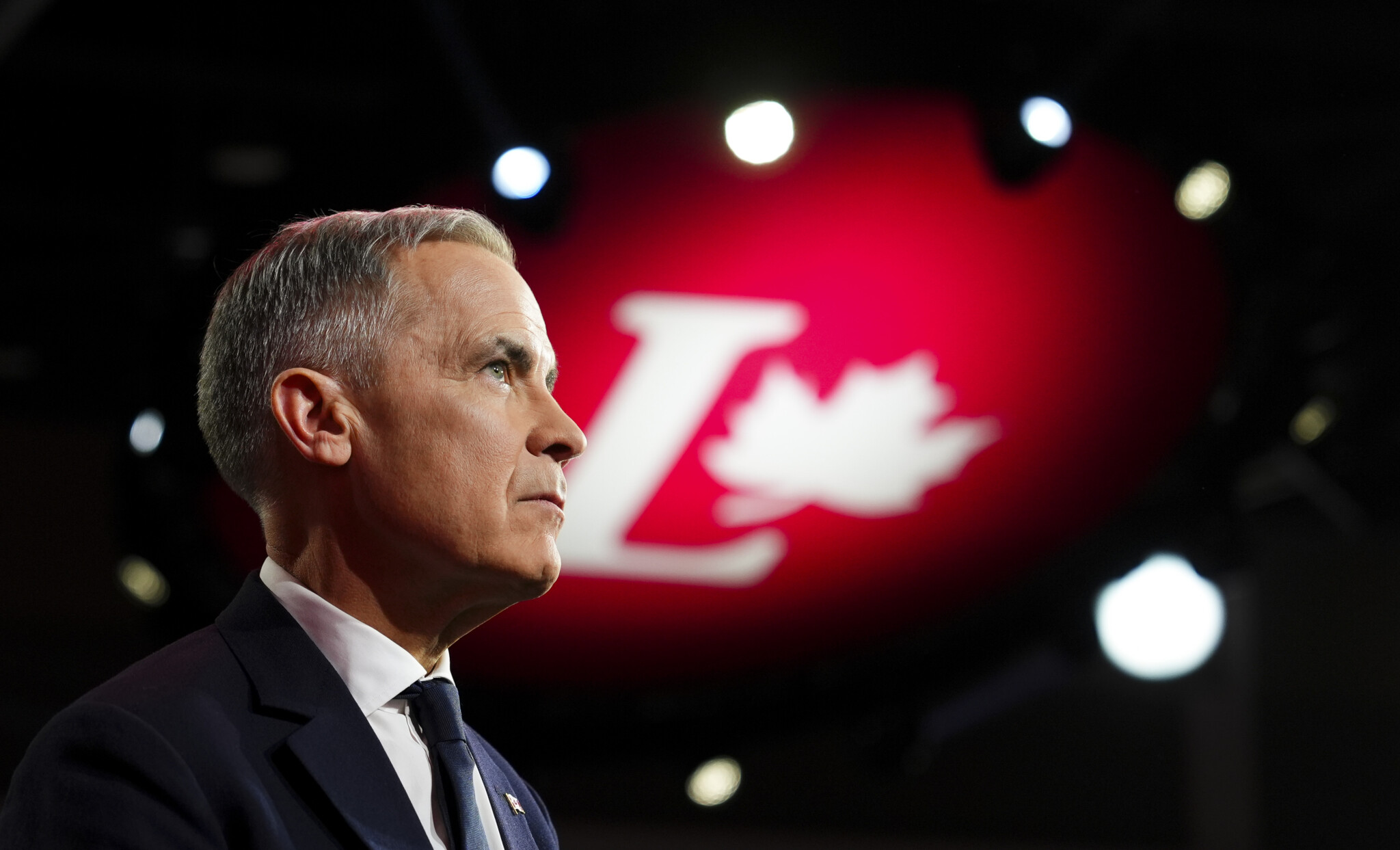
Yet if Canadian voters—particularly older ones—went to the polls in search of order and stability, it’s far from obvious that that’s what they’ve gotten. At the time of writing, the Liberal Party under Mark Carney will have a narrow win in the popular vote and a plurality of parliamentary seats but it’s hard to argue that it’s a decisive victory. It’s more rightly seen as an uncertain one.
Not only has the party failed to secure a majority government, but the Conservatives have won their largest share of the popular vote in a decade-and-a-half, made greater incremental seat gains than the Liberals, and secured unprecedented support from younger Canadians, blue-collar workers, and other non-traditional Conservative voters. Although Pierre Poilievre may counterintuitively lose his own seat (which only reinforces the election’s disordered outcome), he retains a strong command over his party and is poised to stay on as a highly effective opposition leader.
In addition, the Liberals’ parliamentary numbers may not be big enough to rely solely on the New Democrats to prop up their minority government. It may also require some combination of Bloc Quebecois MPs and even Green Party leader Elizabeth May. This will presumably impose some constraints on Carney’s governing agenda—if for no other reason than he’ll need to go through the motions of consulting and engaging with his minority partners.
It’s hard to know though at this stage what the consequence of this parliamentary configuration may be. One could argue that it could push the Liberals to the Left as they search for the support of the smaller parties. Will it reduce the Carney government’s ambitions on spending cuts or regulatory reform? Will it lead to more entitlement spending? And what about the nexus between energy and the environment?
But it could also chasten the government a bit. If Carney believes that a new election is possibly imminent, he may aim to triangulate to head off the Conservatives with more centrist voters. Could we see some movement on reforming (or even eliminating) the controversial oil and gas emission cap? Will he set aside the excesses of his climate zeal more broadly? And what his commitment to balance the budget? How credible is that in such a context?
The honest answer is I don’t know. We’re living in uncertain times to say the least.
The same goes for Conservatives. One interpretation of the party’s results is largely positive. Its gains with new and different voter groups, its big numbers in the 905-area code, and the campaign’s overall energy—including the unprecedented rally attendance—are causes for optimism.

Yet it’s also true that notwithstanding all of this good news, the Conservative Party still lost to a beatable prime minister and government due in large part to the collapse of the NDP and lack of vote splits in different ridings across the country. If the Conservatives are poised to be part of two-party races in English Canada, do they have depth of support—particularly among urbanites and women—to consistently compete in national elections? Put differently: if the party had conceived of the latest race as a two-party competition for power, how would it have changed it message, messengers, policies, ideas, and so on?
This is ostensibly a question that the Conservatives will need to be asking themselves—especially since a new election could be imminent. If the parliament proves dysfunctional, how long before it collapses under its own contradictions or Carney pulls the plug himself?
And, most importantly, what does this all mean for the Carney government’s negotiation of a trade and security agreement with the Trump administration? Presumably Canada’s own domestic uncertainty will affect the talks. One risk that Trump attempts to exploit it to his advantage.
We’ll of course learn more about the election outcomes and their implications in the coming days. We may even get some clarity to the questions set out above.
But what’s striking about last night’s results is that if the goal was to exercise uncertainty from the body politic, the opposite is in fact true. We’re entering a sustained period of economic and political uncertainty for Canada. For better or worse, it’s time that we got used to it.

Sean Speer is The Hub’s Editor-at-Large. He is also a university lecturer at the University of Toronto and Carleton University, as well…Read More
Share This: