CDN NEWS |
  US NEWS








Courtesy of Axis Communications
By Jason Chiu
Workers in the oil and mining sectors face some of the most hazardous work conditions: extreme temperatures, chemical spill risks, and challenging terrains that can lead to serious injuries or even fatalities. These dangers are further intensified by harsh weather conditions and potential equipment malfunctions, underscoring the critical need to prioritize safety and well-being. Modern surveillance, historically a safeguard against theft and crime, or a forensic tool after an incident has occurred, has evolved into a powerful tool for enhancing safety on oil and mining sites. With advanced camera capabilities and pioneering technologies like artificial intelligence (AI), organizations are now able to strengthen safety protocols and foster more secure, supportive work environments, ultimately protecting their most valuable asset: their workforce.
Today’s surveillance solutions go beyond monitoring, capable of assessing situations to identify suspicious or hazardous events and even assisting in response as needed. These advanced technologies provide critical real-time insights that enhance safety by enabling proactive measures and supporting compliance with stringent safety standards. By implementing intelligent surveillance systems, organizations can foster a vigilant and responsive safety culture that effectively addresses the unique challenges of the oil and mining sectors.
Courtesy of Axis Communications
Equipment Malfunctions and Overheating
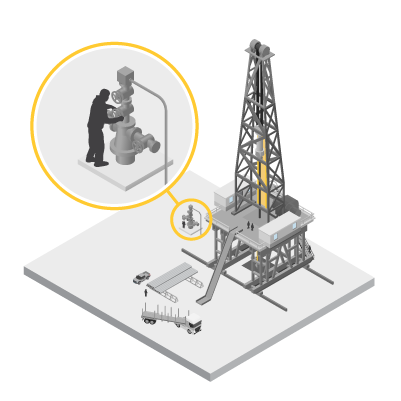
Equipment failures can lead to significant safety risks, including fires and explosions, particularly in oil and mining operations where heavy machinery is frequently used. Inadequate maintenance or mechanical wear can compromise equipment performance, leading to costly downtime and potential accidents.
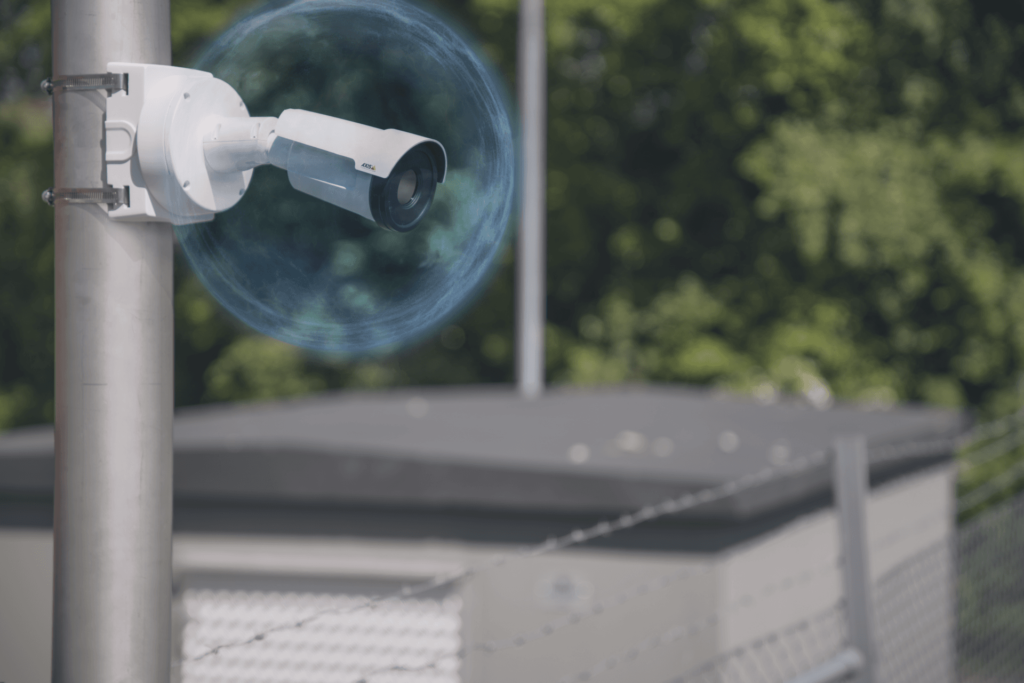
Thermal imaging cameras can detect overheating machinery by monitoring temperature variations. These cameras provide early warnings, allowing operators to address potential issues before they escalate into serious incidents. By capturing thermal data, these cameras can identify hotspots in equipment, enabling preventive maintenance and reducing the risk of equipment failure.
AI-powered analytics also play a crucial role in monitoring equipment performance. By analyzing data from various sensors and cameras, organizations can predict potential failures and schedule maintenance proactively. High-resolution network cameras can continuously record operational footage, helping supervisors identify abnormal behavior or signs of distress in machinery. This proactive approach not only enhances equipment safety but also improves overall operational efficiency.
Unauthorized Access and Security Breaches
Unauthorized personnel entering restricted areas can lead not only to tampering or theft, but also to safety risks especially when the integrity of operations is compromised. Such breaches can have serious financial and safety implications, particularly if critical infrastructure is involved.
Access control scanners provide essential protection for high-security and sensitive areas, preventing unauthorized entry by civilians, potential threats, and even unapproved personnel. Using technologies such as RFID, biometric authentication, or keycard access, these scanners ensure that only individuals with proper authorization can enter restricted zones. By requiring identity verification at each access point, organizations can maintain strict control over movement in sensitive areas, minimizing the risk of intrusions. Combined with real-time video monitoring, access control scanners offer a layered approach that strengthens security and accountability, safeguarding critical infrastructure and enhancing worker safety on-site.

Integrated surveillance solutions with audio-speaker capabilities allow for immediate communication and alerts, enabling security personnel to respond quickly to potential breaches. For instance, if an unauthorized entry is detected, security staff can use the audio feature to issue warnings directly to the individual on-site. Additionally, intelligent video analytics can detect unusual patterns, such as individuals loitering near restricted areas, triggering alerts to security teams. This combination of technologies significantly improves site security and ensures that access protocols are strictly enforced.
Worker Safety Compliance Violations
Non-compliance with safety protocols, such as not wearing appropriate personal protective equipment (PPE), can increase the risk of accidents and injuries on-site. Such violations often stem from complacency or oversight, which can lead to severe consequences.
Courtesy of Axis Communications
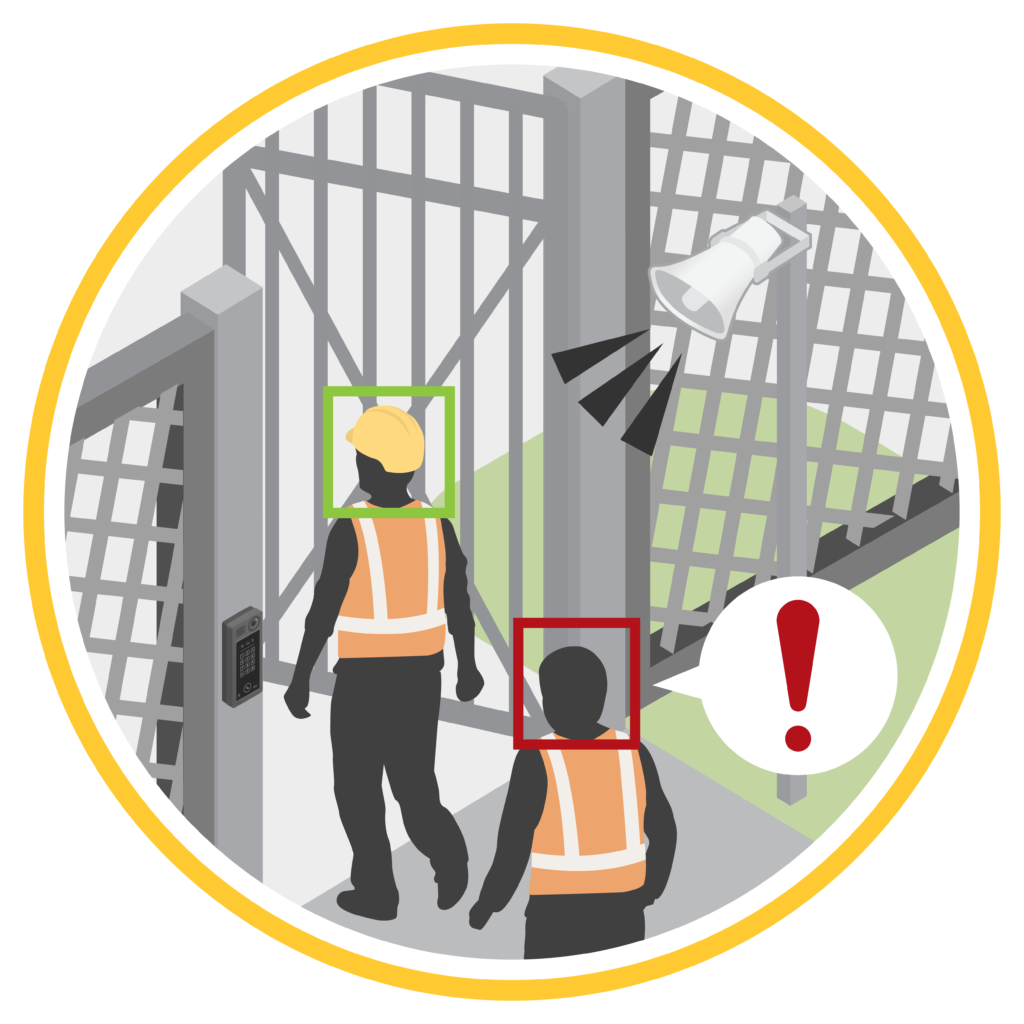
Intelligent video analytics can automatically analyze footage to detect safety compliance violations. For instance, if a worker is observed without proper PPE, the system can trigger an alert, prompting immediate corrective action. This proactive monitoring fosters a culture of safety and accountability among employees, reinforcing the importance of adhering to established protocols. Additional specialized analytics, such as fall detection can offer immediate alarming when a worker is downed, allowing for immediate dispatch of first responders and rescue.
Moreover, advanced camera systems with audio-speaker capabilities can provide real-time feedback to workers, such as alerts when they are not wearing necessary safety gear. This immediate feedback loop can effectively reduce compliance violations, ensuring that workers remain vigilant about their safety.
Emergency Response and Incident Management
In the event of an accident or emergency, the ability to respond quickly is crucial to minimizing harm to workers. Delays in response can exacerbate the situation and lead to increased injuries.
Mobile surveillance units can be deployed in remote locations, providing flexible monitoring solutions. These units can be equipped with various camera types, including explosion-protected models, and wireless communication capabilities, allowing for real-time monitoring and rapid response in emergencies.
Body-worn cameras are another essential tool for enhancing emergency response and incident management. Worn by on-site personnel, these cameras capture real-time, first-person perspectives of incidents as they unfold, providing invaluable situational awareness to response teams and remote supervisors. In an emergency, body-worn cameras can offer immediate insights into evolving conditions, enabling faster, more informed decision-making. They also serve as a valuable resource for post-incident analysis, helping organizations identify safety improvements and refine emergency protocols to protect workers in future situations.
Conclusion
As the oil and mining sectors continue to face various hazards, the integration of advanced surveillance technologies presents a viable solution for enhancing worker safety and well-being. Through monitoring equipment performance, ensuring compliance with safety protocols, and addressing the challenges of worker fatigue, these technologies significantly contribute to a safer work environment.
Furthermore, by promoting effective training and improving emergency response strategies, organizations can create a comprehensive safety framework that prioritizes employee health and wellbeing. Embracing these advancements is essential for organizations aiming to thrive in the demanding landscape of oil and mining while ensuring the health and safety of their workforce.
Jason Chiu is the Professional Services Group Manager with Axis Canada. He has a background in IT and networking and has spent over 15 years in the security industry, from being an integrator, consultant, and manufacturer.
Share This: