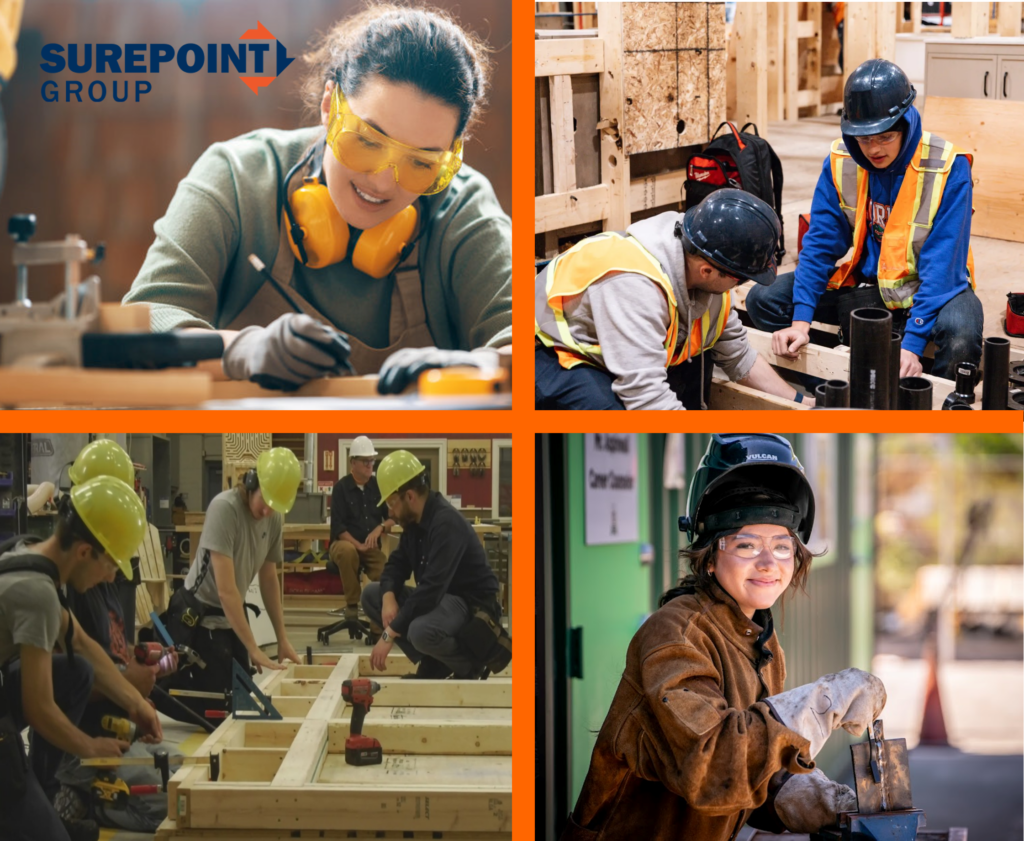
From Martin Socha, Vice President Sales & Marketing at Surepoint Group
In the evolving landscape of education, there exists a pressing need to reevaluate the emphasis placed on skilled trades within Canadian high schools. While the pursuit of higher education is often championed, the importance of skilled trades cannot be overstated. This article advocates for a more comprehensive integration of skilled trades in the Canadian high school curriculum, highlighting the benefits and proposing practical steps to showcase and promote these valuable career paths.
The Importance of Skilled Trades:
Skilled trades play a pivotal role in shaping the Canadian economy. From electricians and plumbers to carpenters and welders, skilled trades professionals contribute significantly to the infrastructure and well-being of the nation. However, these career paths often take a back seat to traditional academic pursuits, leading to a shortage of skilled workers in crucial sectors.
Benefits of Skilled Trades Education:
- High Demand and Job Security: Skilled trades are in high demand, and the demand is expected to grow even more in the coming years. By introducing students to these careers early on, we can prepare them for lucrative and secure job opportunities.
- Diverse Career Paths: Skilled trades encompass a wide array of professions, allowing students to explore and choose a career path that aligns with their interests and aptitudes. Whether it’s construction, technology, or healthcare, there is a diverse range of options within the skilled trades.
- Hands-On Learning: Skilled trades education offers a hands-on learning experience, engaging students in practical, real-world applications of their knowledge. This type of education not only fosters critical thinking but also provides a sense of accomplishment that can be lacking in traditional classroom settings.
Practical Steps to Showcase Skilled Trades in Canadian High Schools:
- Integration into Curriculum: Collaborate with industry experts to design curriculum modules that introduce students to various skilled trades.b. Integrate hands-on projects and workshops into existing courses to provide students with tangible experiences in different trades.
- Career Counseling and Guidance: Establish dedicated career counseling programs that educate students about the wide range of skilled trades professions.b. Organize workshops, seminars, and guest lectures featuring successful individuals in skilled trades to inspire and inform students about potential career paths.
- Partnerships with Industry: Forge partnerships with local businesses and trade unions to create apprenticeship programs, internships, and mentorship opportunities for students.b. Establish co-op programs that allow students to gain practical experience while earning credits towards their high school diploma.
- Promotion and Awareness: Develop marketing campaigns highlighting success stories of individuals who have excelled in skilled trades.b. Host annual events or fairs that showcase the diversity and importance of skilled trades, inviting industry professionals and educators to participate.
Canadian high schools need to recognize the invaluable contribution of skilled trades to the nation’s prosperity and adapt their approach to education accordingly. By integrating skilled trades into the curriculum, providing comprehensive career counseling, fostering partnerships with industry, and actively promoting awareness, we can empower students to make informed choices about their futures. It is time to elevate the status of skilled trades in Canadian high schools, ensuring that students are well-equipped to pursue fulfilling and successful careers in these essential fields.
 CDN NEWS |
  US NEWS










 These translations are done via Google Translate