


 CDN NEWS |
  US NEWS









Politicians, Indigenous leaders, and labour unions criticized the cancellation for the significant consequences it could have for both Canada and the United States
Follow CEC on Facebook CEC Facebook
Follow CEC on Twitter CEC Twitter
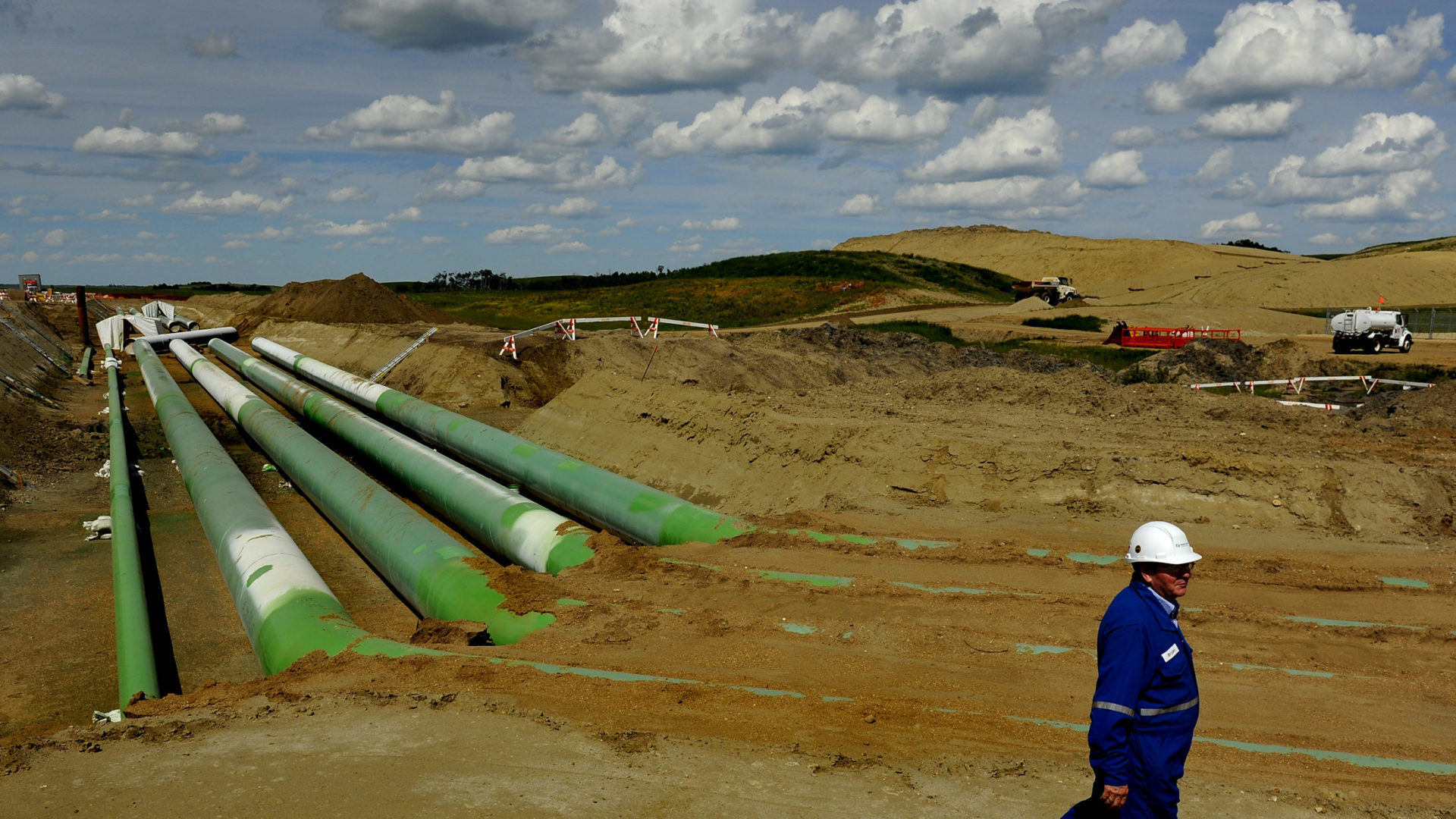
While there have not been any government numbers released for Canadian job losses, TC Energy said at the time of the cancellation that 1,000 workers would be laid off due to the announcement. It was a missed opportunity to lower costs for U.S. consumers, according to the American Petroleum Institute. Indigenous groups were also impacted by the cancellation.
Dale Swampy, president of the National Coalition of Chiefs noted that “It’s quite a blow to the First Nations that are involved right now in working with TC Energy to access employment training and contracting opportunities.”
Natural Law Energy, an Indigenous-owned energy company, had signed an agreement to invest a $1 billion equity stake in the pipeline. This would have had the potential to create jobs and economic opportunity for Indigenous communities, Natural Law Energy said. More than $600 million in supply and employment agreements for Indigenous-owned companies were expected to come from the project’s construction.

While celebrated by many environmental groups, the decision to cancel Keystone XL was controversial on both sides of the border. Politicians, Indigenous leaders, and labour unions criticized the cancellation for the significant consequences it could have for both Canada and the United States.
Teamsters general president Jim Hoffa’s statement strongly encouraged the U.S. government to reconsider the decision. “This executive order doesn’t just affect U.S. Teamsters; it hurts our Canadian brothers and sisters as well who work on this project. It will reduce good-paying union jobs that allow workers to provide a middle-class standard of living to their families.”
Terry O’Sullivan, general president of the Laborers’ International Union of North America said, “By blocking this 100 percent union project, and pandering to environmental extremists, a thousand union jobs will immediately vanish, and 10,000 additional jobs will be foregone.”
The United States is the world’s largest importer of oil, and Canada is its top supplier. America will continue to rely on oil imports, according to the U.S. Energy Information Administration. Absent Keystone XL, imports will come increasingly from other countries that may not have the same environmental and human rights standards as Canada.
Share This:























COMMENTARY: Hot Air and Fires in Ontario Mean its Climate Panic Time in Central Canada: That’s Never Good News for Supporters of Conventional Energy Production – Jim Warren