CDN NEWS |
  US NEWS









Plan ‘directly contradicts’ Ottawa’s promises on Reconciliation
Follow CEC on Facebook CEC Facebook
Follow CEC on Twitter CEC Twitter
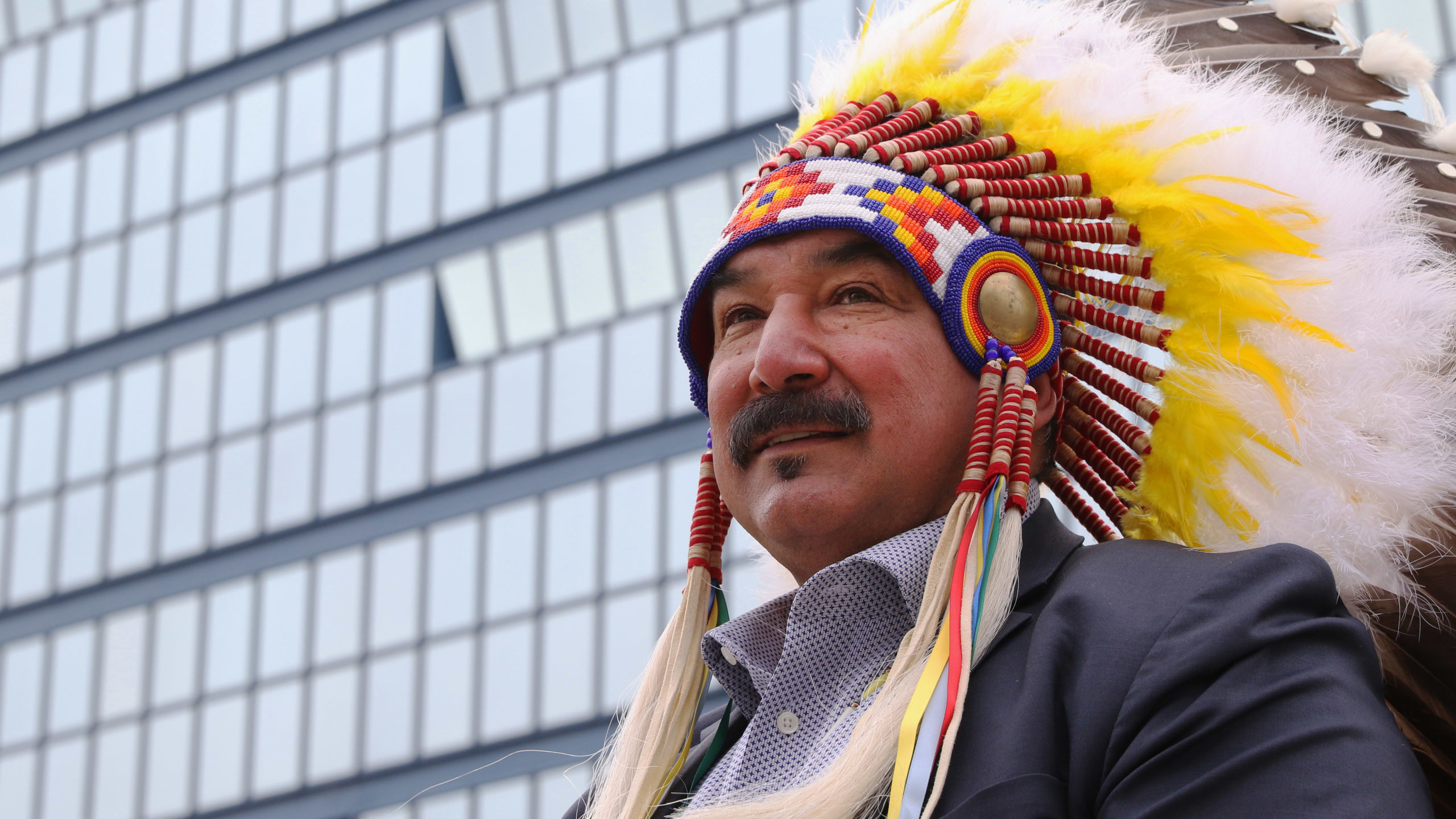
The government’s plan to reduce emissions from oil and gas by 42 per cent in less than eight years is expected to require cuts in production.
But it would actually increase emissions globally by restricting Canadian liquefied natural gas (LNG) development, Merasty says – much of which has significant involvement by Indigenous communities.
“LNG projects currently being worked on, and spearheaded, by Indigenous communities in B.C. are critical for supplying Asian consumers with the energy needed to reduce their dependence on coal,” Merasty says in the IRN’s submission to the federal government.
Many Indigenous people are also involved in new carbon capture and blue hydrogen projects that can help lower the emissions intensity of Canadian oil and gas while still producing economic benefits and meeting the world’s energy demand, he says.
The government’s own discussion paper highlights the importance of oil and gas to Indigenous communities. In 2020, this included an estimated 10,400 jobs (an increase of 20 per cent since 2014); more than $2.6 billion in spending with Indigenous-owned businesses (up by 43 per cent compared to 2017); and over $1 billion in royalties from production on reserve in the past decade.

“There is no way the proposed emission cap and cut can go forward without also reducing the economic opportunities to Indigenous workers, businesses and communities,” Merasty says.
But perhaps most egregious is the lack of consultation with Indigenous stakeholders, he says. This “directly contradicts” the government’s promises on reconciliation and Indigenous self-determination, including respecting the United Nations Declaration on the Rights of Indigenous Peoples.
While the discussion paper says Indigenous stakeholders will be consulted, Merasty says it is inadequate.
“The choice being given us is not on the key question of whether to have a cap or not. The federal government is making that a foregone conclusion. Instead, consultation is focused on two pre-conceived and narrow policy options which are equally unacceptable to those who depend on the oil and gas sector for jobs and revenues,” he says.
“Not only do our communities deserve a chance to pursue economically viable projects on our own territory; we have a right to.”
The federal government is accepting responses to the emissions cap discussion document until September 30, 2022 to [email protected].
Share This: