


 CDN NEWS |
  US NEWS







Trudeau’s finance chief, Chrystia Freeland, is expected to use her second budget to roll out more than C$100 billion in new spending promises, despite the government having run record deficits to blunt the impact of the Covid-19 pandemic. The fiscal trajectory, however, may be little changed given federal coffers are awash in new revenue from inflation and high commodity prices.
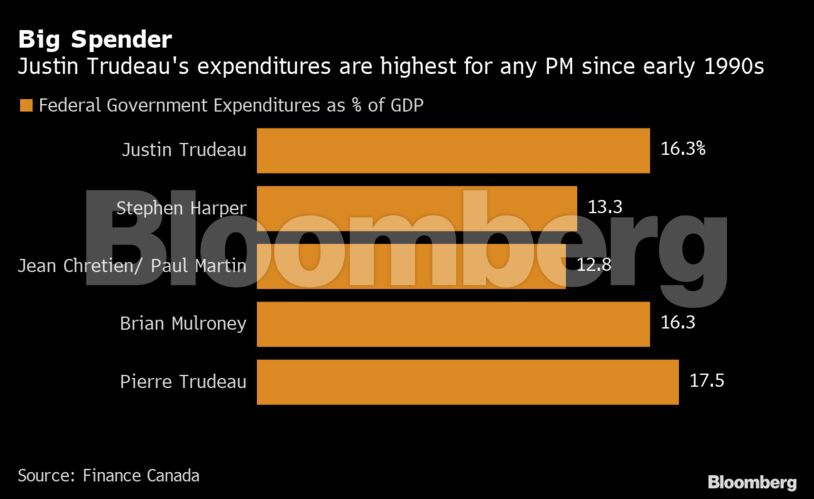
The plan, due Thursday around 4 p.m. in Ottawa, is set to continue the tradition of Trudeau’s fiscal policy since taking power in 2015: a preference for new spending over returning the budget to balance, while trying to keep deficits low enough to reassure Canadians and investors he remains fiscally prudent.
“It’s a bit of a balancing act,” said Elliot Hughes, a former adviser to Freeland’s predecessor who is now a consultant with Ottawa-based Summa Strategies.
He said the governing Liberals will be “making commitments and developing policies and spending money in areas they feel will help boost the economy,” while acknowledging “a desire from many corners of the economy in Canada to have the government demonstrate fiscal restraint.”
The case for deficit financing, however, is getting more difficult with inflation at a three-decade high and the economy running up against capacity, prompting calls from business groups for the government to curtail ambitions and focus more on growth initiatives. Spending as a share of output was already poised to settle at the highest levels since the early 1990s, even before any new measures.


“I don’t know if it’s going to hit all the boxes that corporate Canada is looking to have checked off,” Hughes said.
When Freeland presented a budget update in December, the government was on track to post a C$144.5 billion deficit in the fiscal year that ended March 31. That gap was set to gradually decline to C$13.1 billion in 2026-27.
Since then, multiple events have transpired that will result in both more revenue and higher spending.
Inflation is generating major revenue windfalls, fueled in part by spiking energy prices due to Russia’s invasion of Ukraine. But that war has in turn put pressure on Trudeau’s government to increase Canada’s defense spending.
Last month, the Liberals signed a deal with the left-leaning New Democratic Party to ensure they can govern until 2025 in exchange for strengthening the social safety net, particularly around introducing publicly-funded programs for prescription drug and dental coverage.
Share This:






















INSIGHT: Canada’s Natural Resource Sector is at the Heart of the Government’s ‘Export & Diversification’ Plan