


 CDN NEWS |
  US NEWS







First Nations want to be more than just consulted parties on energy projects – many want to become decision makers
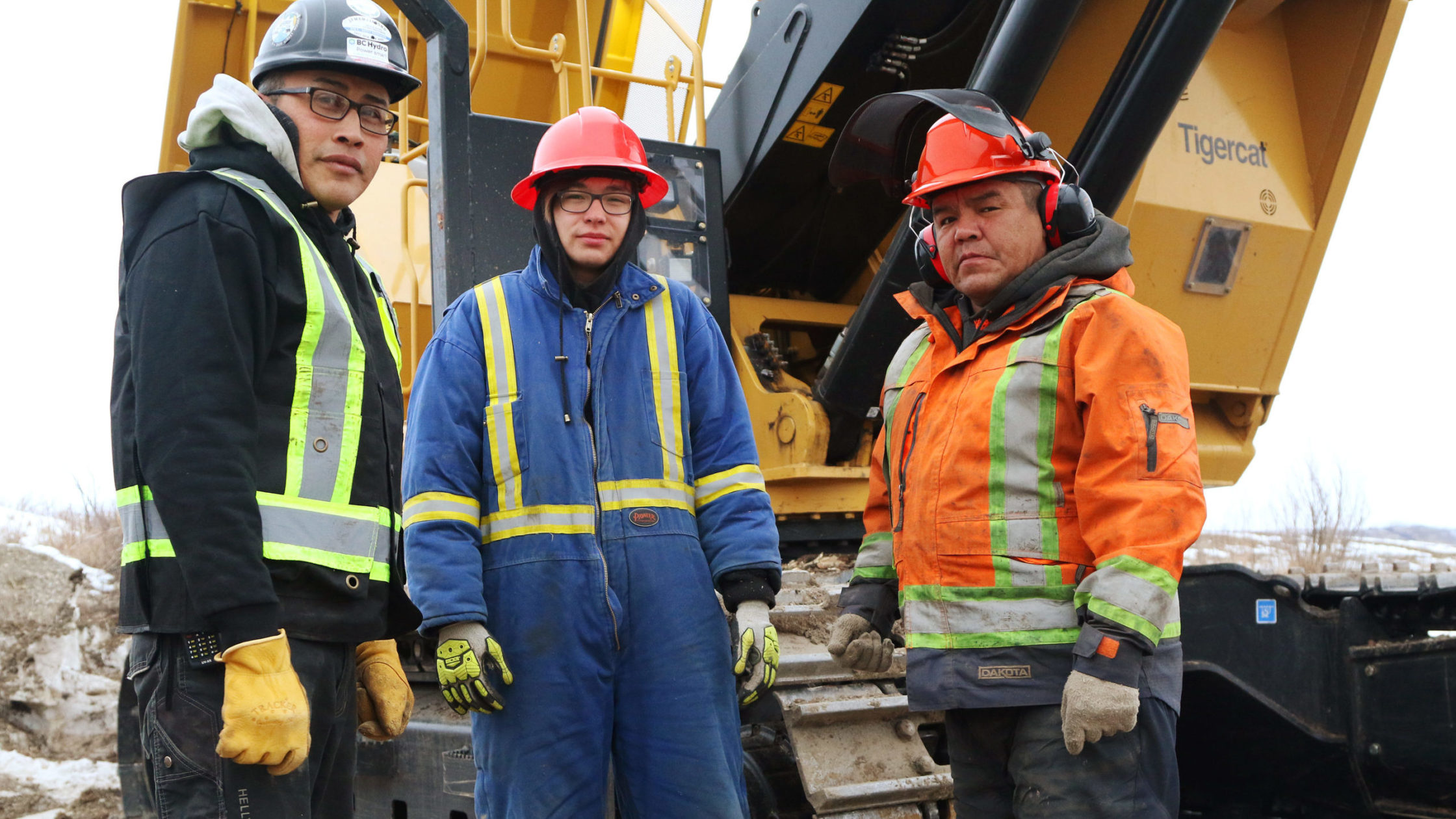
Nesika is the latest in a long line of proposals for Indigenous participation in Trans Mountain, which became a Crown corporation when the federal government purchased the project back in 2018.
Project Reconciliation has been the most prominent Indigenous-led proposal seeking a 100 per cent ownership stake. Chinook Pathways is also a notable Indigenous-led proposal, working in partnership with Pembina Pipeline Corp.
All of this is good news as it demonstrates the maturing of Indigenous capital and the desire of Indigenous communities to exercise economic self-determination.
However, this increased activity comes amidst the federal government informing everyone that we need to scale down our energy ambitions considering its professed net-zero goals.
But governments cannot have it both ways – promote Indigenous involvement in energy projects and call for limited expansion in that very same sector. Governments must realize anti-energy policies and Indigenous involvement in the modern economy will eventually collide.
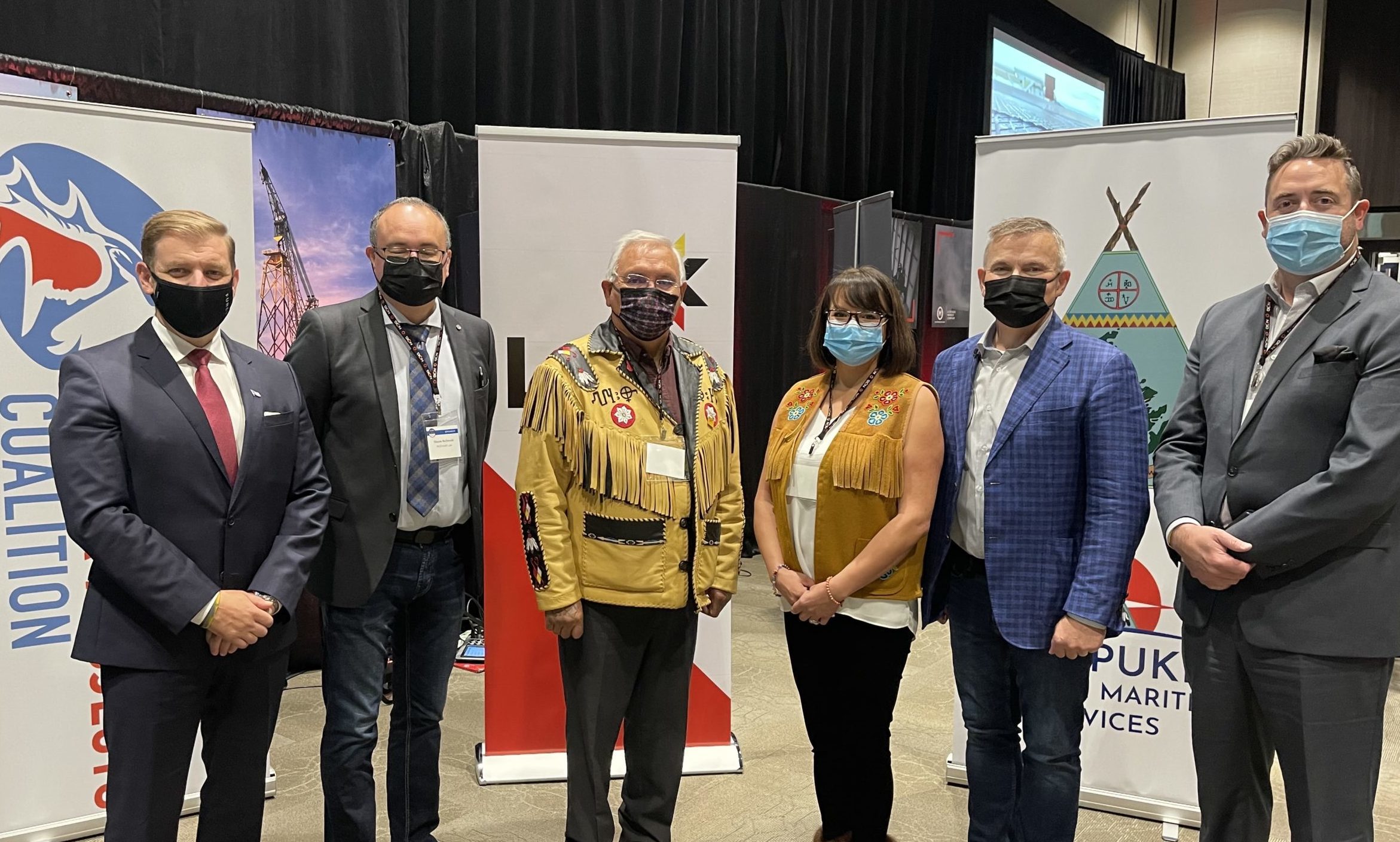
These are serious opportunities for Indigenous communities. According to the Indigenous Resource Network, the extractive sector hires twice as many Indigenous employees and pays on average two times as much in wages as other sectors in Canada.
Canada’s energy sector has been reducing its carbon emissions intensity for decades, and more Indigenous participation can help achieve an overall emissions reduction.



Indigenous proposals are going to become more numerous, and Indigenous partners are going to become more assertive about their rights to become direct beneficiaries of the wealth that crosses or takes place in their territories.
Indigenous capital has changed. Indigenous partners are involved in so many economic ventures now.
According to a 2019 study by the Macdonald-Laurier Institute, for the first time, conventional market sources of capital overtook government transfers as the main source of Indigenous economic development capital.
The study found that market capital mobilized to support business and economic development in Indigenous communities grew to $5.9 billion in 2013 from $2.8 billion in 2003, or 2.5 times the rate of the overall increase in capital in Canada during the same period.
Indigenous communities and groups have become part of projects that were not conceivable decades ago
For many Indigenous communities – especially in Western Canada – large energy projects are the main source of employment and community improvement. Any measure of help for these communities to better access these opportunities is a concrete way to show commitment to principles of Indigenous reconciliation and self-determination, two important ideas that pundits and politicians pay plenty of lip service to.
Canada will be better off when we see increased Indigenous involvement in our energy economy.
Joseph Quesnel is a Nova Scotia-based consultant with the Canadian Energy Centre who is Quebec Metis by heritage.
Share This:






















COMMENTARY: Varcoe: ‘Do No Harm’: Should Alberta Step in to Fix Gas System Constraints, Given Past Energy Interventions?